

Something inside of us silently resists movement for a brief period of time, usually between the last bite of dinner and the couch’s temptation. It’s a well-known surrender. However, a tiny but persistent notion has been circulating in clinics, kitchens, and social media lately: that the ten or fifteen minutes following a meal may be the most underappreciated window in contemporary fitness. Of all things, walking is in its second act.
It’s difficult to ignore the change in the discourse surrounding exercise. HIIT classes, cold plunges, and marathon training regimens pinned to refrigerators were all part of the intensity gospel for years. However, the new murmur among researchers is so calm that it almost seems rebellious. An hour spent at the gym much later may not be as beneficial to metabolic health as a quick stroll shortly after eating. The post-meal window is biologically active, and movement during it alters the outcome, according to Loretta DiPietro of George Washington University, who has been studying this for some time.
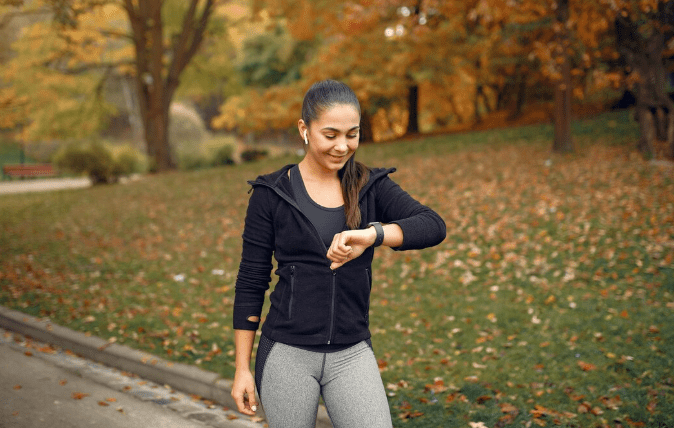
Although the science is not particularly new, it has been steadily growing. Walking for just ten minutes after each meal decreased blood sugar spikes by about 12%, according to a study from the University of Otago in New Zealand. Twelve percent may seem insignificant, but when you sit with it, you realize that it’s a significant change that builds up over time. Exercise, according to Gerald Shulman of Yale, circumvents the flaws in insulin signaling. Another door is found by glucose.
The Cleveland Clinic’s gastroenterologist, Dr. Jessica Philpott, adopts a different perspective, focusing more on plumbing than metabolism. She says that walking can reduce the amount of time food remains in the stomach after eating. Less reflux, less bloating, and less of that dense fog that follows dinner. Anyone who has overindulged in biryani on a hot night knows the value of this small favor.
The unglamorous nature of the prescription is striking. No gear. You don’t need an app. No quantifiable performance indicator to focus on. Just shoes, a sidewalk, and possibly a dog or a companion. That has a subtle subversive quality in a society where almost every kind of movement has been commercialized. Wearables are not very popular when people go for walks after dinner. Maybe that’s why it took so long to be taken seriously.
Nevertheless, the evidence continues to mount. This February, National Geographic published an article detailing how even mild post-meal movement alters the gut-brain dialogue, that peculiar two-way flow of hormones and nerves that we are just starting to map. Three quick walks after meals discreetly fulfill the CDC’s recommendation of approximately thirty minutes of moderate activity, five days a week, without being framed as a workout.
Observing this, it seems like the post-meal walk is more of a rediscovery than a fad. Without giving it a name, our grandparents did it. The evening stroll has long been a social custom rather than a medical intervention in many parts of South Asia and the Mediterranean. The body and possibly culture already knew this, and science is now catching up.
When the next fitness fad emerges, it’s still unclear how much of the current excitement will endure. However, the most fascinating developments in cardio may not be taking place in a gym at all right now. Just after the plates are cleared, it could be a leisurely lap around the block.
FAQ’s
1: How long do I need to walk after a meal to see benefits?
Just 10 minutes is enough — research shows even a brief post-meal walk can cut blood sugar spikes by around 12%.
2: Does it matter how soon after eating I start walking?
Yes — the window right after eating is biologically active, making it the most effective time for movement to influence metabolism and digestion.
3: Can post-meal walks replace a gym workout?
Three short walks after daily meals can quietly meet the CDC’s recommended 30 minutes of moderate activity without ever setting foot in a gym.
4: What digestive benefits does walking after eating offer?
It speeds up how quickly food moves through the stomach, helping reduce bloating, acid reflux, and the heavy post-meal sluggishness many people experience.
5: Is this a new fitness trend or something we already knew?
It’s more rediscovery than revolution — evening strolls after meals have been a cultural norm in South Asia and the Mediterranean for generations, long before science caught up.
