

In medicine, there is a certain kind of moment when a medication that people were already familiar with takes on new significance. Mounjaro had already emerged as one of the most talked-about drugs in years, first for the treatment of diabetes and later for weight loss, competing with Ozempic for popularity. Mounjaro was approved by the FDA on August 28 to lower the risk of major cardiovascular events, such as heart attack, stroke, and cardiovascular death, in adults with type 2 diabetes who are at elevated cardiac risk.
It’s a significant expansion, and it’s difficult to ignore how drastically the area has changed in a matter of years.
The approval was based on the findings of SURPASS-CVOT, one of the biggest and longest studies ever carried out for a GLP-1 drug, which recruited over 13,000 participants over approximately five years in 30 countries. The trial compared Mounjaro head-to-head with Trulicity, another Eli Lilly medication that already had a proven cardiovascular benefit, rather than comparing it to a placebo. Mounjaro did at least as well, if not better.
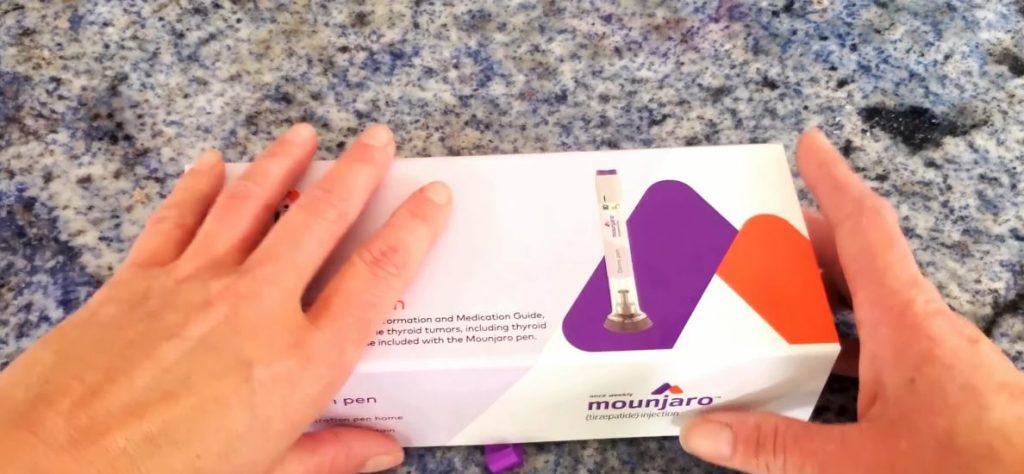
Compared to patients on Trulicity, those on Mounjaro had an 8% lower risk of heart attack, stroke, or heart-related death. That may seem insignificant on its own, but an 8% reduction on top of a medication that was already effective is a real clinical outcome for a population where cardiovascular disease is the primary cause of death.
That framing is important for those who have type 2 diabetes. According to Eli Lilly, up to one in three American adults with type 2 diabetes have undiagnosed cardiovascular disease. That’s a sizable group of people who, up until now, may have been prescribed Mounjaro mainly to control blood sugar or body weight without the official acknowledgment that the medication was also protecting their hearts. Practically speaking, the FDA approval may alter how insurers make coverage decisions as well as how physicians can discuss the medication with those patients.
It’s important to comprehend the mechanism underlying all of this. Unlike Ozempic and Wegovy, which target a single GLP-1 receptor, Mounjaro targets two hormones: GLP-1 and GIP. In addition to influencing blood pressure, cholesterol, weight, and systemic inflammation, this dual action also has an impact on blood sugar regulation.
Cardiologists have observed that these medications may have heart-beneficial effects beyond merely lowering blood sugar levels because they stabilize arterial plaques by reducing inflammation. It’s still unclear whether those advantages are genuinely unrelated to weight loss, but researchers are working hard to find out.
Raising the analogy to Ozempic is worthwhile, but it calls for caution. In 2024, the FDA approved Wegovy, Novo Nordisk’s weight-loss semaglutide, citing a 20% decrease in heart events when compared to a placebo. The figures aren’t directly comparable because Mounjaro’s 8% figure comes from a different type of study that compares it against another active medication rather than a placebo. For Zepbound, the weight-loss form of tirzepatide, Eli Lilly is presently conducting a different study in individuals without diabetes to see if there are comparable heart benefits in that group. Sometime in 2027, those outcomes are anticipated.
The broader medical community believes GLP-1 medications are still revealing their full potential. They started out as treatments for diabetes, rose to prominence in discussions about weight control, and are currently transitioning into cardiovascular prevention. Doctors’ approaches to long-term disease management are evolving as each approved use adds to the cumulative effect and reaches a distinct patient group. The options available to those with type 2 diabetes who are sitting in a cardiologist’s office with several risk factors already piling up have recently become more apparent.
