

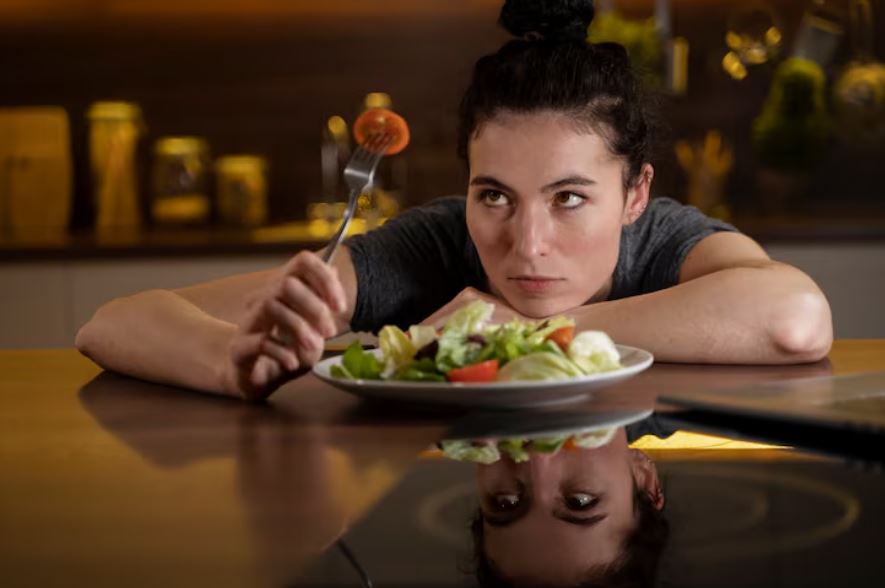
At 10:47 p.m., a certain silence falls over a kitchen. The dishwasher is humming. Someone is brushing their teeth upstairs. And somewhere, barefoot on chilly tile, someone is opening the refrigerator with the slow, guilty pull of someone who lost the self-argument an hour ago.
This is also done by nutritionists. Simply put, they don’t post about it.
If you speak with enough dietitians off-the-record, you’ll notice a pattern that contradicts their disciplined Instagram persona. It’s not quite the bad guy that late-night dining has been portrayed as. In fact, a small, well-planned snack before bed may be more beneficial than detrimental, and those who study food for a living usually know exactly which ones are worth it.
Tart cherries are almost always the first. Not the candied variety. The authentic ones, or a tiny glass of their juice, which has an odd, tannic sweetness that requires some adjustment. They continue to appear in sleep studies for a reason. A small amount of melatonin, the hormone your body releases when the lights go out, and procyanidin B-2, a substance that appears to shield tryptophan in the bloodstream, are found in cherries. It is not magical. However, many nutritionists claim that after a small bowl, they fall asleep more deeply and that the calorie cost is negligible.
The banana with almond butter, on the other hand, sounds a lot like something from a diet booklet from the 1990s. It continues to function. About 190 calories from a small banana and a spoonful of unsweetened almond butter. Almonds provide magnesium and a slow trickle of healthy fat, while bananas contain serotonin, which the body partially transforms into melatonin. To be honest, it’s kind of inspiring to see someone eat this at 11 p.m. without feeling guilty.
The third option is Greek yogurt, where the selection becomes more intriguing. Simple, unsweetened, and ideally labeled with a clear list of live cultures. While browsing through their phones, some dietitians add a few frozen berries to the yogurt and allow them to thaw. The protein prevents hunger during the night, and the probiotics help the gut in ways that scientists are still figuring out, even though they don’t directly promote sleep.
The dark horse is pumpkin seeds. A tiny handful, lightly salted, consumed by those who appear to enjoy them rather than merely put up with them. They satisfy that particular late-night craving for something crunchy without going into the chip aisle territory that most diets caution against, and they contain zinc, magnesium, and a tiny amount of tryptophan.
Kiwi keeps coming up, but the fifth is more difficult to define because it fluctuates. About an hour before going to bed, two of them were consumed. According to earlier studies, kiwis may reduce the time it takes to fall asleep because of their high antioxidant and serotonin content. It’s not very strong evidence. However, before recommending something, dietitians usually test it on themselves in private.
Restraint is not what unites these five. It’s the small, deliberate decision made in a dimly lit kitchen as the day is finally coming to an end and no one is around.
FAQs
1. Is eating late at night really bad for you?
Not necessarily — a small, nutrient-dense snack under 200 calories is generally fine and may even support better sleep.
2. Which fruit is best for a late-night snack?
Tart cherries top the list because they naturally contain melatonin, the hormone that helps regulate your sleep cycle.
3. Can I eat Greek yogurt before bed?
Yes — plain, unsweetened Greek yogurt offers protein and probiotics without spiking blood sugar overnight.
4. What foods should I avoid before sleeping?
Skip caffeine, alcohol, sugary snacks, and spicy or heavy meals, as they tend to disrupt sleep quality and duration.
5. How long before bed should I eat my snack?
Aim for about 60 to 90 minutes before bedtime so digestion settles before you lie down.
