

Engineers have been working for years in a lab outside of Turin to figure out how to prepare a meal that will survive the journey to Mars. The food must not go bad for months. After a long day of floating in a metal tube, it must taste like something someone would genuinely want to eat. Additionally, since deep space lacks a corner store, it must provide precise nutrition. The odd thing is that people who have never left the planet are now finding the same food, essentially, on their kitchen counters and in wellness stores.
Argotec, an Italian company that manufactures food for European astronauts on the International Space Station, is at the heart of this. The company doesn’t only create these meals for orbit, according to a 2017 case study published in the British Food Journal. Additionally, it offers a terrestrial version under the brand “ReadyToLunch,” which is marketed as a nutritious, ready-to-eat choice for Earthlings. At the time, Erica Varese and Paola Cane, the researchers, described it as a rather unusual arrangement. A company that uses the same playbook to feed office workers and astronauts. This might just be clever marketing. It might also be the start of something bigger.
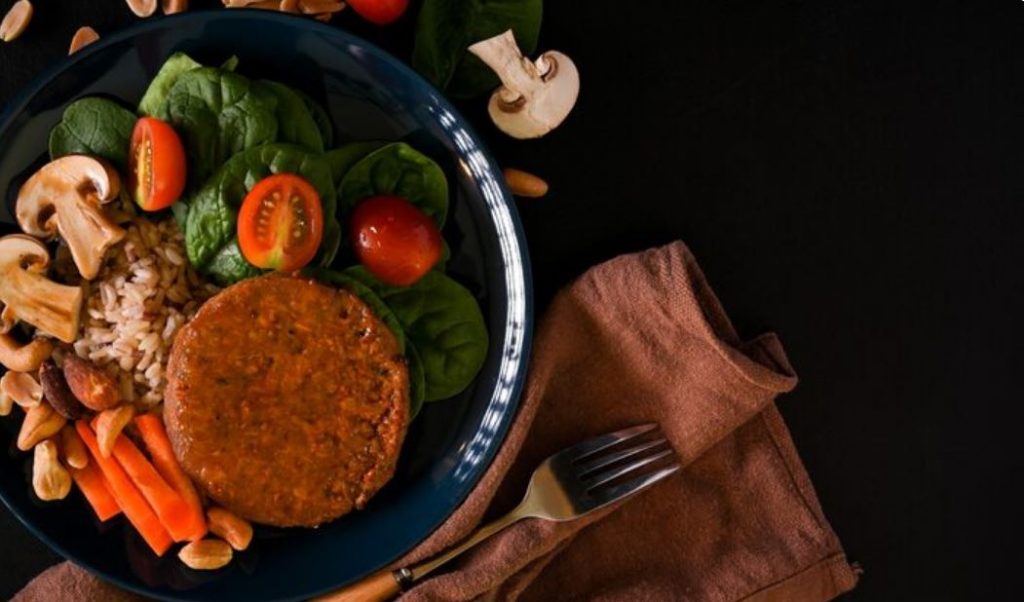
I believe that the promise that lies beneath is what draws people in. Space food needs to be optimized in ways that regular food doesn’t have to deal with. Every calorie matters. Each gram of protein is taken into consideration. The wellness sector has always been eager to appropriate the authority that comes with that type of engineering. The reasoning goes, “Surely it’s good enough for me if NASA trusts it for Mars.”
The most obvious example is spirulina. The blue-green microalga, which is rich in vitamins, minerals, and bioactive compounds, has been investigated as a nearly complete protein source. Researchers have observed that NASA uses it for missions to the Moon and Mars. Smoothies, energy bars, and sports supplements already contain it on Earth. It seems that referring to it as “astronaut food” lends it a glamour that “pond algae” could never match. The science is truly fascinating. Alongside it, the branding is working very quietly.
And then, of all things, there is the sweet potato. It turns out to be a mainstay of the space diet, offering vitamin C, beta-carotene, and carbohydrates in a small package. It has been the focus of whole menu studies conducted by researchers. As this trend develops, it’s difficult to ignore how commonplace the majority of these ingredients are. prebiotic-rich fermented foods, algae, and root vegetables. The food itself is not the miracle. It’s the discipline used in it.
Sometimes that discipline doesn’t make it back to Earth. The space diet is heavily processed due to necessity, which can eventually cause digestive issues, according to some space nutrition experts. One line of inquiry even considers Ayurvedic principles as a remedy, proposing that astronauts might follow a body-type-specific diet instead of a set recipe. The point is that, whether in orbit or elsewhere, even experts are unsure about the ideal diet.
Why does it sell, then? The narrative is a part of it. People want to think that their lunch is a link to something big and ambitious, to red planets, rockets, and the frontiers of human knowledge. Whether eating like an astronaut makes a big difference for someone sitting at a desk in Cleveland or Karachi is still up for debate.
The nutrients are genuine. It’s possible that the packaging is more important than people realize. There’s also a recurring pattern here, the same one that previously turned hospital formulas and military rations into health fads. This is something we’ve done before. We’ll probably do it once more. The Mars-bound pouch is merely the most recent manifestation of a long-standing human desire to eat our way to betterment.
FAQ’s
Q: What is the “Space Diet”?
A: It’s the precisely engineered, nutrient-optimized food NASA and partner firms developed for astronauts on long missions to the Moon and Mars.
Q: Which company makes space food that’s also sold on Earth?
A: Argotec, an Italian aerospace firm, supplies astronaut meals and sells a terrestrial version under its “ReadyToLunch” brand.
Q: Why is spirulina considered space food?
A: It’s a near-complete protein packed with vitamins and bioactive compounds, and NASA has studied it for Moon and Mars missions.
Q: Is the space diet actually healthy for regular people?
A: The nutrients are real, but the food is heavily processed by necessity, and experts aren’t fully settled on its long-term benefits on Earth.
Q: What common foods are part of the space diet?
A: Spirulina, sweet potato, tortillas, and prebiotic-rich foods all feature in astronaut menus.
