

The word keeps coming up in the most unexpected places. You can find “the longevity mushroom” stamped on oyster mushroom blends, reishi powders, and even homemade tinctures that people seem to be feeding their dogs if you browse enough wellness-related websites. I’m usually suspicious of the phrase because of its marketing slickness. However, beneath all the breathless Facebook posts and Instagram captions that promise a 16% decrease in mortality, there is something truly fascinating happening that has nothing to do with the mushroom. It concerns a compound that the majority of people are unaware of.
Ergothione. The marketers probably prefer “longevity mushroom” because the word is awkward and difficult to pronounce. However, this is the real concern of scientists. Calling it an antioxidant would be an understatement of how strange it is. After neutralizing a free radical once, the majority of antioxidants are exhausted. That doesn’t seem to be how ergothioneine functions. It seems to regenerate, lingering in your tissues and carrying out its function long after vitamin C would have run out. Strangely, your body has developed a specific transporter to deliver it to the cells that require the most protection. Researchers are drawn in just by that particular detail. Why would we develop a unique delivery mechanism for a molecule that we are unable to manufacture?
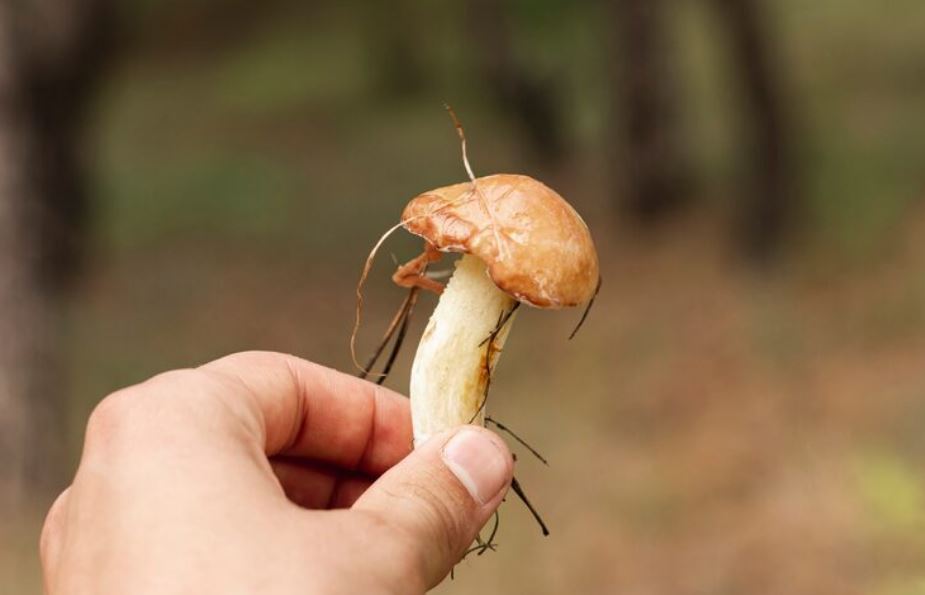
since we are unable to make it. The catch is that. Ergothioneine is mostly derived from fungi and the soil bacteria with which they coexist, in contrast to the majority of nutrients we produce internally or scavenge from a variety of foods. By far the richest source is mushrooms. Shiitake mushrooms are not far behind oyster mushrooms, which can contain about 13 milligrams per 100 grams. Smaller amounts can be found in oat bran, black beans, and the kidneys and livers of animals that grazed on the proper soils. However, the true concentration is found in mushrooms, which is probably how the common fungus was elevated to “longevity” status in the first place.
Now, the focus is on what happens to the compound after it enters your body. It builds up in the cell’s energy machinery, the mitochondria, and in the brain, where it passes through the blood-brain barrier, something that many nutrients are unable to do. People with higher blood levels of ergothioneine appeared to be less likely to experience cognitive decline, according to a 2016 study published in Biochemical Pharmacology. The fact that it’s an association rather than proof is more significant than the headlines acknowledge. Two things move together, according to observational studies. They don’t explain how one led to the other. The people who eat mushrooms every night may also be the ones who sleep, cook real food, and go for walks.
Even so. It’s difficult to ignore how consistently the results point in the same direction. Reduced oxidative stress, some defense against the type of LDL oxidation that causes arterial plaque, and the persistent 16% death rate that keeps coming up. All of this does not add up to “ten extra years,” as the supplement labels claim; that figure is wishful thinking, the kind of clear promise that science seldom fulfills. However, the underlying theory is strong enough that serious researchers have proposed referring to ergothioneine as a “longevity vitamin,” a term created for nutrients that aren’t strictly necessary but appear to subtly influence how well we age.
I keep thinking about the woman in one of the videos who calls herself a “mushroom mamacita” and claims to eat her longevity mushroom every night. It’s simple to roll your eyes. However, it’s possible that she unintentionally stumbled upon something that the labs are still closely monitoring. To be honest, we don’t yet know how important it is. We do know that a plate of sautéed oyster mushrooms tastes good, costs a few dollars, and has virtually no drawbacks. There are instances when science is still catching up to a long-standing human habit.
FAQ’s
Q: What is the “longevity mushroom” actually about?
It’s marketing shorthand for mushrooms rich in ergothioneine, a compound that scientists—not the mushroom itself—find genuinely interesting.
Q: Why is ergothioneine different from regular antioxidants?
Unlike most antioxidants that get used up after neutralizing one free radical, ergothioneine appears to regenerate and linger in your tissues far longer.
Q: Where can I get ergothioneine in my diet?
Mushrooms are by far the richest source—especially oyster and shiitake—with smaller amounts in oat bran, black beans, and organ meats from properly grazed animals.
Q: Can it really add 10 years to your life?
No—that figure is wishful thinking on supplement labels; the real research shows associations (like a recurring 16% lower mortality), not proof of extra decades.
Q: Why do scientists call it a “longevity vitamin”?
Because your body can’t make it yet built a special transporter to deliver it to cells, suggesting it subtly influences healthy aging even though it isn’t strictly essential.
