

There is a certain kind of anger that comes from British cakes going bad. It’s not like when you overcook a steak or burn garlic in a pan; those are mistakes that can be fixed. When it comes to Welsh cakes, damage usually happens quickly and quietly, almost when you’re not looking. You’re standing at the stove one minute and feeling good, and the next you’re staring at what looks like a small, dark disk and not wanting to eat it at all. The worst part? It’s still soft on the inside. Still raw.
Most people who have tried them at least once have had this happen. It smelled bad before the first batch even got to the next room, even though the pan was hot and the dough looked good. People in Wales and beyond have been talking about the same problem on forums, Facebook groups, and in baking communities for years, and the answer is simpler than most people want to admit.
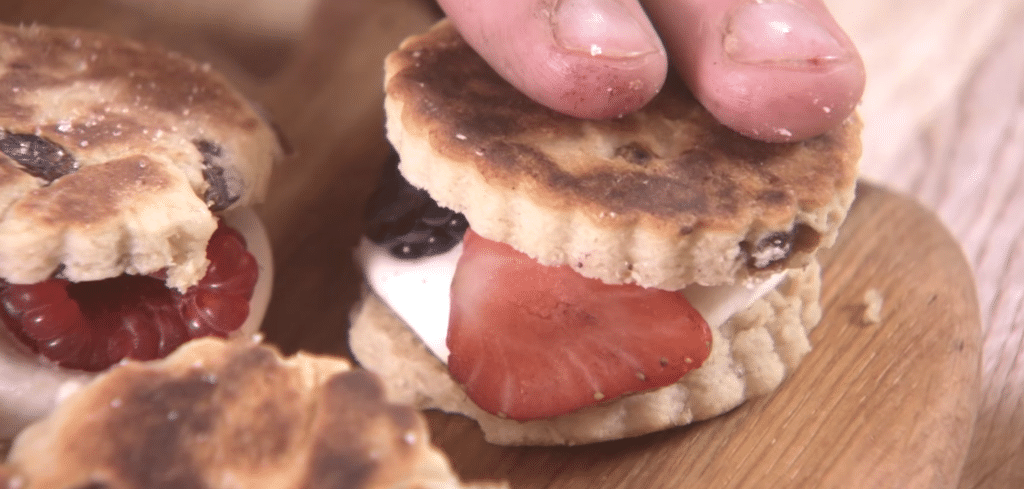
Most of the time, heat is to blame. More specifically, I used too much of it, too quickly, and the wrong kind of pan. Welsh cakes look better than they are. They look like they would be ready in two minutes if you put them on a very hot griddle. That’s not what they are.
They need time, a low flame, and a surface that heats up slowly and evenly instead of quickly from the bottom. A traditional baking stone—heavy, made of cast iron, and used—raises the temperature in a way that a thin, new frying pan just can’t. The heat is coming in more slowly and steadily, instead of all at once.
The classic failure mode looks like this: the outside is golden brown after two minutes of contact, but the middle hasn’t set when you bite into one. That’s the same physics problem that happens in an oven on a stove. The outside edges and surface are where the heat comes in and browns the first thing it touches. The center, on the other hand, is still working its way through the flour, butter, and egg, which need more time to cook. That’s because the outside cooks faster than the inside if the pan is too hot.
Another problem that doesn’t get as much attention is the butter. It’s more important than most recipes say to cut it into small, even pieces before mixing it into the dough. When big chunks of butter that were still in the mix hit the hot surface, they burned in some places before the dough around them could react. It looks like a small part of the preparation that probably won’t make a difference in the end.
It’s not. When those little pockets of fat hit a surface that is too hot, they often turn a batch that looks good into something bitter and dark on the outside without warning.
This also has to do with how wet the dough is. If the mix is too wet, it doesn’t hold its shape on the griddle. Instead, it spreads out, becoming flatter and thinner, which means the inside doesn’t cook through as quickly as the outside. It’s best to have dough that is soft but doesn’t stick to your hands, rolls out easily, cuts well, and keeps its shape when it goes into the pan. There’s too much liquid if it drags across the surface when you try to roll it.
It’s almost relaxing to watch someone make Welsh cakes well. It’s not quite right, but they turn down the heat, put the cakes in without pressing them down, and then leave them alone. You don’t have to fuss, adjust, or lift corners every thirty seconds to check. It takes about four or five minutes. Then flip it once to get a golden color instead of a deep brown one, and do it again on the other side. If you gently press on a properly cooked Welsh cake, it should feel firm and spongy, not soft and yielding or stiff. It’s the signal that the texture is right.
It’s still not clear why so many recipes don’t stress the temperature advice enough, making it seem like a side note when it’s really the most important part. In order to make Welsh cakes, choosing the right heat is not the last step, but the very first and most likely the most important one. Welsh cakes will always be burned if you use a good recipe in a bad pan over a high flame. If you use a heavy cast iron griddle over low to medium heat and a pretty average recipe, you should be able to make something you’d be proud to serve.
In short, the fix is to go lower than you want to and give it longer than you think is necessary. Also, don’t rush a process that the Welsh have been doing right for over a hundred years without any trouble.
FAQs
1. Why do Welsh cakes burn on the outside but stay raw in the middle?
The pan is too hot, cooking the surface before the inside sets.
2. What is the ideal heat for cooking Welsh cakes?
Low to medium heat, around 180°C, gives the best results.
3. Does the type of pan really make a difference?
Yes—a seasoned cast iron griddle distributes heat much more evenly.
4. Can the butter in the dough cause burning?
Large butter chunks hit the hot surface first and scorch before the dough cooks.
5. How long should Welsh cakes cook on each side?
Cook for about four to five minutes per side over low, steady heat.
