

It’s kind of annoying when you make Eton Mess and then watch it fall into a watery, shapeless pool before it even gets to the table. It looked like you did everything right. It was lovely when the meringue came out of the oven. The strawberries were ripe and sweet, and the cream whipped up without any problems. However, after ten minutes of putting it together, it no longer looks like a dessert and more like something that should be in a drain.
A lot more people say it happens than they say. People say the dessert is forgiving—it’s the kind of thing you can make when a pavlova falls apart, the elegant fix for a baking mishap. But that reputation might not be what it seems. Eton Mess can fail in different ways, but runniness is by far the most common one. To figure out why it happens, you have to look at all three parts separately, since the problem rarely comes from just one place.
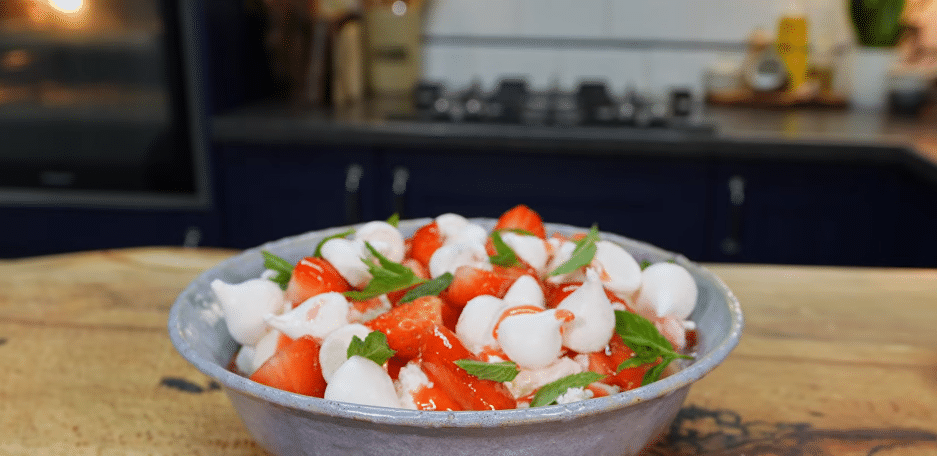
Most of the time, the meringue is the first step. If the egg whites aren’t whipped to stiff peaks or if the bowl was contaminated with even a little egg yolk or grease, the meringue that is made is easily broken. It bakes up fine on the outside, but it has too much moisture inside.
It doesn’t just get softer over time when it meets the cream and fruit. It quickly lets that water out, which pools at the bottom of the glass in a way that is, well, embarrassing. Egg whites from a carton that are liquid are especially bad for this. They don’t behave like fresh whites and often won’t form the structure that is needed, no matter how long the mixer runs.
The cream is the other important factor, and this is where things start to make no sense. A lot of people think that more whipping means more stability. But food scientists and bakers who have tested this say that adding too much whipped cream makes Eton Mess worse, not better. The mechanical reason is that the meringue pieces soak up water from their surroundings like tiny sponges. If the cream is already at stiff peaks when the meringue is added, it speeds up the process.
Within minutes, the cream becomes too stiff to use, the structure falls apart, and the liquid separates. Not what you might think, but you want cream that is barely whipped, still pourable, and foamy instead of stiff. It gets thicker as it sits with the meringue, so you don’t have to work against it to get it to the right consistency.
The third factor is the fruit, which most people forget about. If you leave fresh strawberries with sugar for any length of time, the sugar will break down, and the juice will come out. Because it can only go into the cream, that juice thins it from the bottom up. The fix is easy: mashing some of the berries and cooking them briefly into a jammy compote before mixing them in brings out the flavor and gets rid of the extra liquid before it touches the cream. The pieces that aren’t cooked stay bright, and the part that is cooked adds flavor instead of water.
People also forget how important timing is. Even though it looks easy, Eton Mess is not a dessert that can be put together ahead of time. As soon as the meringue comes in contact with water, it starts to soften. After ten minutes, the crisp shards are softening in a nice way, making them taste a bit like marshmallows. After thirty minutes, it’s hard to tell the difference between the texture and the cream. At an hour, it has often all fallen apart. For every minute that the dessert sits in a warm kitchen while people finish their main course, it works against itself.
Everything here has a bigger lesson that goes beyond Eton Mess. It’s often hardest to make simple desserts right because there aren’t as many places to hide mistakes. With enough buttercream, a tall layer cake can hide a sponge that is a little dry. Eton Mess has nothing to hide. The final texture is immediately affected by everything you use, like how good the egg whites are, how fresh the berries are, and how hot the cream is. Even though the dessert looks easy, you should take it seriously.
The good news is that runny Eton Mess is not a disaster but something that can be fixed. Don’t whip the cream too much. You can use meringue nests from the store, but make sure they are dry before you use them—they shouldn’t be soft or sticky inside the packaging. You can either make a compote or add the fruit right before serving. And serve it quickly once it’s all put together. As the name suggests, this dessert rewards accuracy and punishes impatience. This is not what it says on the box, but it is exactly how British cooking works.
FAQs
Q1: Why does Eton Mess turn watery after assembly?
Meringue releases trapped moisture into the cream, causing it to pool quickly.
Q2: Should I whip the cream to stiff peaks for Eton Mess?
No — barely whipped, pourable cream gives the best final texture.
Q3: Can fresh strawberries make Eton Mess runny?
Yes, macerated fruit releases juice that thins the cream from below.
Q4: How far ahead can I assemble Eton Mess?
Assemble just before serving — meringue softens and collapses within thirty minutes.
Q5: Can carton egg whites ruin the meringue?
Yes, they often fail to form the stiff peaks meringue requires.
