
No announcement was made. There was no campaign, no celebrity endorsement, and no specific instance where you could say, “That’s when it happened.” However, between 2024 and the present, the typical British diner began to inquire about the bowl instead of ordering the burger.
When you look at the numbers, they are impressive. The number of bowl orders on UK restaurant menus has increased by 143% annually. Orders for soup have increased by 186%. Dishes with a lot of protein have increased by 85%. In the meantime, fried sides have decreased by 26% and burgers by 37%. A few years ago, the “build your own bowl” format was hardly mentioned on most menus, but it has grown by 175%. These changes are not slight. Something has changed, and it seems to have changed quickly.
Operators in London and beyond have been observing this trend anecdotally for some time, but data from hospitality tech company Storekit, which pulls from thousands of actual restaurant orders across the UK, provides the most accurate numbers to date. It’s immediately apparent if you walk into Atis on a Tuesday during lunch or look at the lines outside Salad Project. Once relegated to a burger and chips, the casual dining crowd has shifted, or at least veered, toward lighter options that don’t feel like a punishment.
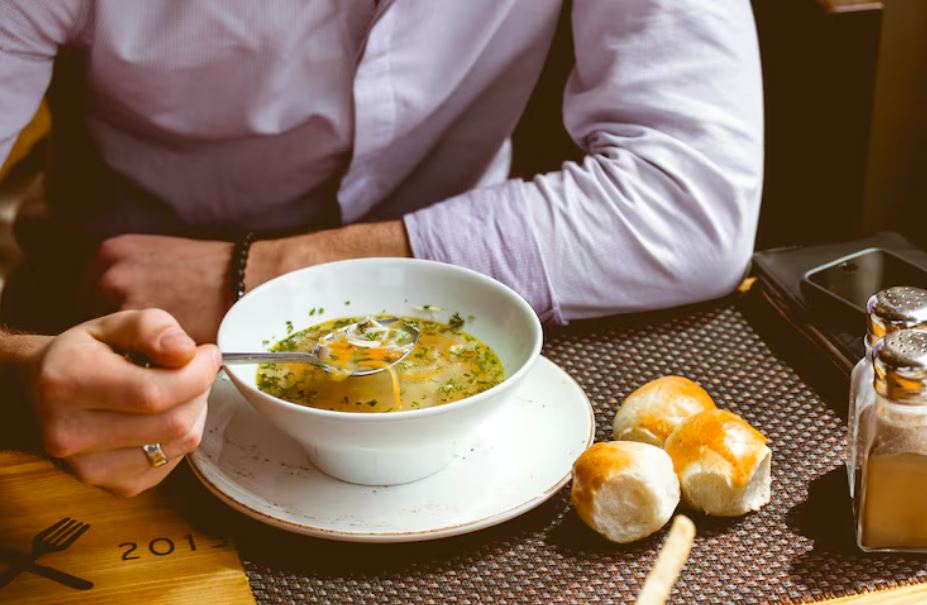
GLP-1 drugs, such as Ozempic, Wegovy, and their relatives, are partly to blame for this since they reduce appetite and, it seems, alcohol cravings as well. The same data set shows a 344% increase in low- and no-alcohol drink orders. Mocktails have increased by 190%. There is a feeling that GLP-1 users are acting as a sort of accelerant for a wider health consciousness that was already developing, so the drugs themselves may be only part of the story. The drug causes the behavior to appear in the data. However, the cultural direction had already been established.
What happened to spending is genuinely intriguing, if a little counterintuitive. The number of items per order remained constant, but the average order value increased by 27%, from approximately £21.82 to £27.82. Individuals are placing fewer orders, making more thoughtful selections, and seemingly willing to pay more. For years, food journalists have discussed the “fewer but better” argument as an ideal. Here it’s showing up in actual transaction data.
The modifier that really catches the eye is “swap for salad” — up 1,232%. It’s not a rounding error. Diners are actively going into the ordering process and changing things, opting out of the fries, asking for something green instead. Restaurants are quietly having to reconsider their side-dish economics, which were predicated on the idea that chips came with everything.
It’s worth being measured about what this means long-term. Food trends have collapsed before — the açai bowl was everywhere for a moment, and then it just became background noise. It’s really unclear if the grain bowl will continue to grow at this rate or settle into a stable category share. However, the GLP-1 effect indicates that this isn’t just a passing wellness trend if the drug keeps spreading throughout the UK population at its current rate. The appetite change, in some cases, is pharmacological.
For restaurants, the practical question is how to adapt menus without alienating diners who still want the classics. Burgers are down, but they haven’t disappeared. The smarter operators seem to be running both tracks — keeping the indulgent options while building out a serious bowl and soup program alongside them. According to the data, that is most likely the correct instinct—at least for the time being. Instead of completely changing, Britain’s eating habits are changing.
FAQs
Why are bowls so popular on UK restaurant menus right now?
Health-conscious diners are choosing lighter, customisable meals over heavy traditional options.
What is the GLP-1 effect on UK dining?
Medications like Ozempic suppress appetite and alcohol cravings, nudging diners toward smaller, protein-rich meals.
Which food categories are declining on UK menus?
Burgers are down 37% and fried sides down 26% as indulgent ordering habits retreat.
Why are soup orders up 186% in UK restaurants?
Soups offer nutrient-dense satisfaction without the calorie load of traditional mains.
Are UK diners spending more or less when eating out?
More — average order value rose 27% despite ordering the same number of items.
What does “swap for salad” being up 1,232% mean?
Diners are actively swapping chips for greens at the point of ordering.
Is the bowl trend in UK restaurants here to stay?
With GLP-1 use continuing to rise, this shift looks more structural than seasonal.
