

When you last sat down at a restaurant and boldly said, “I know exactly what I want,” it’s likely that the menu had already made most of the decisions for you. Not the cook. Not your hunger. An algorithm.
Although it sounds almost dramatic, it is actually taking place in dining rooms all over America and beyond. Restaurants, ranging from upscale independents to fast-casual chains, are feeding AI systems with sales data, ordering trends, and behavioral cues to reposition dishes, redesign menus, and gently direct patrons toward whatever brings in the most money. The owner of more than fifty restaurants worldwide, Jean-Georges Vongerichten, has been candid about using AI tools to optimize menu layout by feeding sales metrics. It turns out that shifting a high-profit item a few inches on a page can significantly change what customers order. In any dramatic sense, that is not manipulation. However, it is also not neutral.
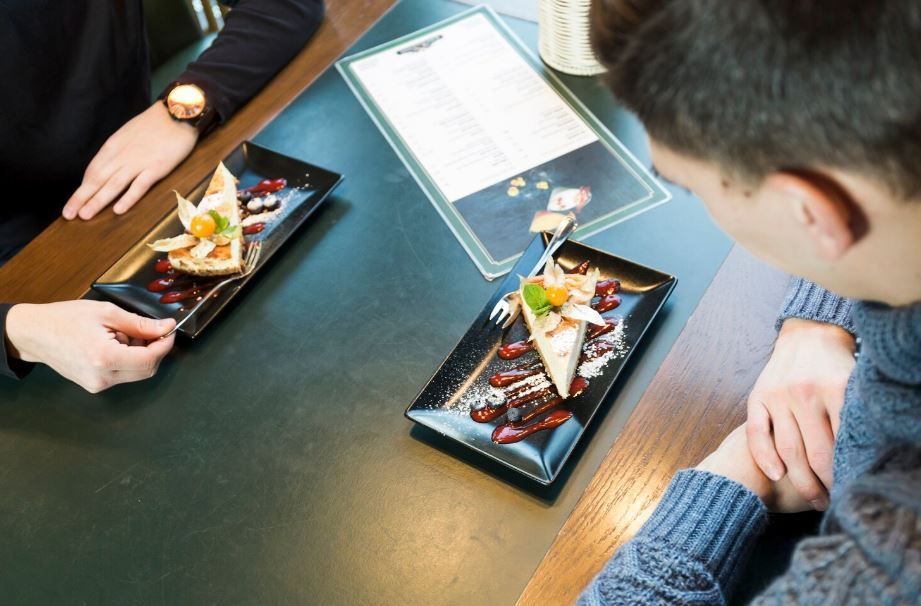
Personalization is the more intriguing—and somewhat unsettling—aspect of this. These days, some AI systems are designed to learn the preferences of specific diners and provide recommendations based on previous behavior. Tuesdays are when you order salmon. You stay away from spices. Every time you go up to a bigger size. The system is aware. This information influences what is highlighted, what is recommended first, and sometimes what is priced differently based on the moment when restaurants use AI-powered ordering interfaces.
When dynamic pricing is explained simply, it tends to make people uncomfortable. On a quiet Wednesday lunch, the same burger might cost less than it would on a Saturday night. Since demand-responsive pricing has long been used by ride-hailing services and airlines, it seems like a logical next step for restaurants. It’s another matter entirely whether it seems reasonable to a customer who simply wanted a dependable burger at a fixed price.
All of this has an odd tension that is worth enduring. The automated billing system, robotic server, and conveyor belt at Kura Sushi are all visible and somewhat entertaining. Youngsters eagerly reach for their sodas. The show is the technology. However, the AI that determines which items to discontinue based on margin data or shapes what is promoted on a digital menu is invisible. It works precisely because of that invisibility.
After the head chef of Velvet Taco fed every item on the menu into an AI tool and asked what the perfect taco would look like, “ChatGPTaco” became a true customer favorite. After testing and tweaking, the outcome was released. People adored it. It’s difficult not to recognize the inventiveness of that—using a machine to reveal something truly novel. However, it poses an unanswered question: when does AI-assisted menu design transition from effective research and development to engineering desire?
Rationally, restaurants will insist that they’re just becoming more adept at satisfying patrons. That argument’s optimism is most likely genuine. However, the information passing through these systems—your order history, your timing, and your apparent preferences—is becoming more detailed, and the tools that work with it are becoming more sophisticated. The majority of diners are unaware that this is taking place on this scale. It seems like there should be a bit more attention paid to that discrepancy between what’s happening and what people think is a straightforward menu option.
