Close Menu
Friar Street KitchenFriar Street Kitchen
    Facebook X (Twitter) Instagram
    Facebook X (Twitter) Instagram Pinterest Threads
    Friar Street KitchenFriar Street Kitchen
    Subscribe
    • Home
    • Food
    • Menu
    • Health
    • Restaurants
    • Lifestyle
    • Privacy Policy
    • Contact Us
    • Terms of Service
    • Disclaimer
    • About Us
    Friar Street KitchenFriar Street Kitchen
    Home » 5 AI Apps Gen Z Is Using to Beat Anxiety — And They Actually Work
    Lifestyle

    5 AI Apps Gen Z Is Using to Beat Anxiety — And They Actually Work

    Jawdah Hannad BasaraBy Jawdah Hannad BasaraJuly 8, 2026No Comments3 Mins Read
    Facebook Twitter Pinterest LinkedIn Tumblr Email
    Share
    Facebook Twitter LinkedIn Pinterest Email

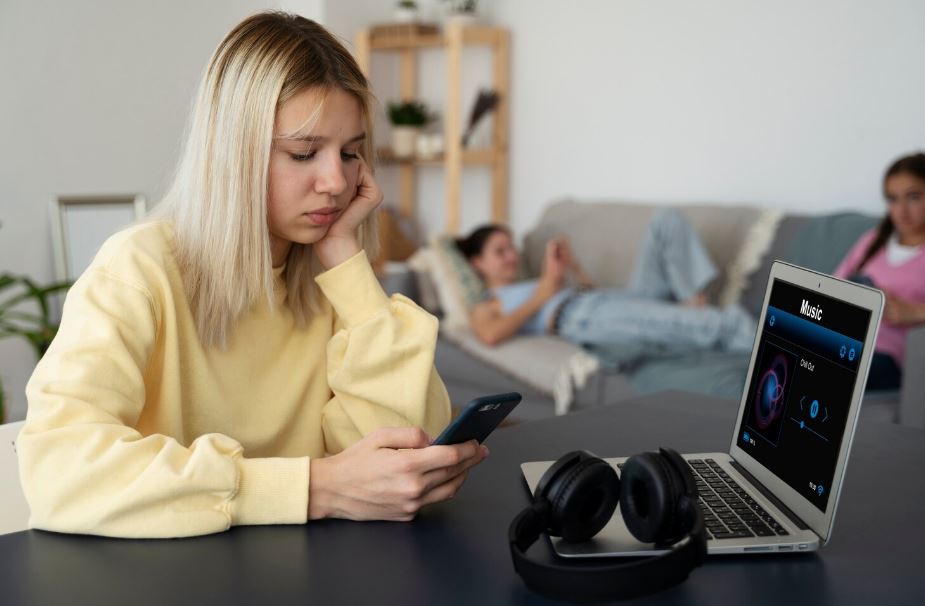
    Usually, it begins at three in the morning. The phone is glowing, the ceiling is staring back, and the thoughts are racing. Anxiety has become more of a permanent roommate for millions of young people navigating relationships, careers, social media noise, and economic uncertainty. Additionally, although the mental health sector spent years encouraging Generation Z to seek professional assistance, the truth is that anxiety doesn’t follow a schedule, therapists have waiting lists, and appointments are expensive.

    AI apps have quietly entered that gap, which is the space between needing support and actually receiving it. Not with much fanfare, but through recommendations from TikTok, word-of-mouth, and the straightforward reasoning that having something available at midnight is preferable to having nothing until Tuesday.
    5 AI Apps Gen Z Is Using to Beat Anxiety — And They Actually Work
    5 AI Apps Gen Z Is Using to Beat Anxiety — And They Actually Work

    Woebot has been in this field long enough to feel practically seasoned. Based on the concepts of cognitive behavioral therapy, it conducts structured dialogues that resemble filling out a talking mental health journal rather than speaking to a machine. Users who monitored their anxiety levels over two weeks reported significant drops that were noticeable but not miraculous. The conversations are serene, almost purposefully non-dramatic, which is most likely the intention.

    Wysa adopts an alternative perspective. It guides you through an urge-surfing exercise in less than four minutes, and something genuinely changes. Its penguin mascot sounds cheesy until you’re in the middle of panic. It is intended for those brief, intense moments when anxiety suddenly rises. It feels more intuitive than most people anticipate from an app because of the emotional intelligence built into it.

    Youper uses a lot of pattern recognition to track emotional data between sessions and reveal insights that the user might not have connected on their own. It’s not insignificant to discover that a standing work meeting causes your anxiety to peak every Tuesday morning; this kind of insight can completely change the course of a week. The way it pieces together a picture from sporadic emotional check-ins is almost detective-like.

    The exception to this rule is Earkick, which uses voice coaching in conjunction with AI-generated music to produce sensory relief as opposed to conversational support. This method may be more effective than structured dialogue for some nervous systems. It makes sense to let sound do some of the heavy lifting for those who find words overwhelming during times of high anxiety.

    The most ambitious of these apps is Therabot, which is currently in its updated 2026 version. Except for the scheduling and co-pay, the overall experience is getting closer to what a first therapy session might feel like. The conversations are more in-depth, and the responses are more subtle. Many psychologists would contend that these kinds of apps shouldn’t be used because it’s still unclear if they can completely close the gap to clinical care. However, this is not a replacement use case. It’s access.

    It’s important to note that Gen Z uses all five of them as coping mechanisms rather than as remedies. Many users collaborate with their human therapists by sharing app-generated reports, transforming what could otherwise be a rival technology. This may be quietly moving toward that integration, where the licensed professional handles the deeper work, and AI handles the 3 AM spiral. It’s difficult to ignore the shift in the discourse surrounding mental health tools from whether or not AI belongs in this field to how much of it we can tolerate.

    AI Apps Gen Z
    Share. Facebook Twitter Pinterest LinkedIn Tumblr Email
    Jawdah Hannad Basara
    • Website

    Jawdah Hannad Basara is a food and lifestyle writer who covers the narratives, trends, and discussions influencing our eating habits. She writes with the kind of curiosity that transforms a straightforward meal into a larger narrative, covering everything from restaurant culture and viral kitchen experiments to the health science behind common ingredients at Friar Street Kitchen. Her work encompasses dining, wellness, recipes, and the cultural influences that shape what is served to us. Jawdah contributes astute observation and a readable voice to the whole range of food journalism, whether she's dissecting a TikTok culinary trend, exploring what your comfort food says about you, or wondering why the Sunday roast might be in danger.

    Related Posts

    Hygge, Ikigai, and Lagom Are So 2024 — Here’s the Wellness Philosophy Quietly Reshaping 2026

    October 13, 2026

    Forget Counting Calories — This Mediterranean Diet Meal Plan for Beginners Changes Everything

    September 20, 2026

    Burger King Nugget Purse “Le Nugguette” Just Crashed Fashion Week From the Drive-Thru

    September 12, 2026
    Leave A Reply Cancel Reply

    You must be logged in to post a comment.

    Recipes

    8 High-Volume Weight Loss Recipes Under 400 Calories That Taste Like a Full Meal

    By Tiffany VincentOctober 20, 20260

    There is a type of hunger that isn’t primarily related to food. Volume, or the…

    The Hidden Health Risk in Your Tap Water You’re Not Being Warned About

    October 20, 2026

    5 Everyday Symptoms That Could Actually Be a Vitamin Deficiency

    October 16, 2026

    The Surprising Link Between Loneliness and Heart Disease Doctors Just Confirmed

    October 16, 2026

    The Disease That Wasn’t Supposed to Happen Until Your 50s Is Now Showing Up in Your 20s

    October 15, 2026

    The Long Cold Is Real, and Millions Are Living With It Right Now

    October 15, 2026

    How Swapping One Ingredient Per Meal Can Create a Serious Weight Loss Calorie Deficit Over Time

    October 14, 2026

    The Weight Loss Case for Eating More Vegetables You Actually Like Instead of the Ones You Don’t

    October 14, 2026

    The Gratitude Journal Lie – Why Therapists Are Quietly Changing Their Advice

    October 13, 2026

    Hygge, Ikigai, and Lagom Are So 2024 — Here’s the Wellness Philosophy Quietly Reshaping 2026

    October 13, 2026
    Use Full Links:
    • About Us
    • Contact Us
    • Disclaimer
    • Home
    • Privacy Policy
    • Terms of Service
    Search Interesting Content Here:
    Recent Posts
    • 8 High-Volume Weight Loss Recipes Under 400 Calories That Taste Like a Full Meal
    • The Hidden Health Risk in Your Tap Water You’re Not Being Warned About
    • 5 Everyday Symptoms That Could Actually Be a Vitamin Deficiency
    • The Surprising Link Between Loneliness and Heart Disease Doctors Just Confirmed
    Facebook X (Twitter) Instagram Pinterest
    © 2026 ThemeSphere. Designed by ThemeSphere.

    Type above and press Enter to search. Press Esc to cancel.