

In Britain, there are some establishments that serve more than just food. Among them is Devon’s Gidleigh Park, which is tucked away on the outskirts of Dartmoor. And it meant Michael Caines for more than 20 years. For many diners of a particular generation, his name became so closely linked to the property that you couldn’t mention one without thinking of the other. In 1994, he was a young, aspirational chef who had just returned from training in some of the most prestigious kitchens in France. What transpired next was the kind of story that journalists strive for and find nearly impossible to believe.
Caines lost his right arm in a car accident two months into his employment at Gidleigh Park. He was twenty-five. In two weeks, he returned to the kitchen part-time, and in four, full-time. When recounting facts like that, there’s a tendency to let them speak without commenting, but it’s difficult not to sit with that timeline and feel genuinely uneasy about the scope of what that required. Mentally as well as physically. It must have felt terrifyingly open to wonder if his cooking could achieve the heights he had envisioned.
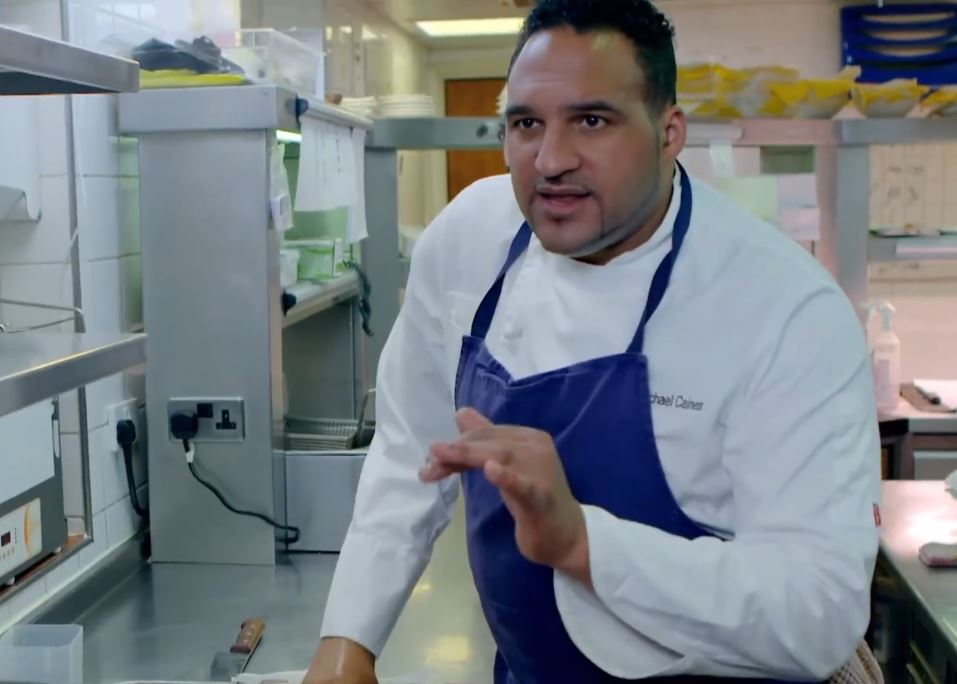
Yes, it did. Five years after the accident, in 1999, Gidleigh Park received its second Michelin star. Caines’s kitchen, which he had rebuilt around himself and a new physical reality, was producing food that was accurate and inspiring enough to be regarded as one of the best in the nation. He maintained two stars there for eighteen years in a row, a run that calls for a level of consistency that is uncommon in the hospitality sector.
Under Caines, Gidleigh Park was more than just a technical masterpiece. It was the food’s assimilation into the surrounding environment. The menus were shaped by Devon’s seasonal, local, and South West-specific produce in a way that felt authentic rather than commercial. You can get a sense of what a place like Gidleigh Park does to a chef who is concerned about the origins of ingredients by strolling around its grounds amid the serene drama of Dartmoor. In ways that are genuinely hard to describe but simple to taste, it’s possible that the landscape itself became a part of the cooking.
Michael Wignall, a Michelin-starred chef, took his place after he left in January 2016. In any profession, twenty-one years is a long time; in professional kitchens, where turnover is constant and burnout is structural, it is almost unheard of. He didn’t stay, whether it was a relief or a pain. In 2017, Lympstone Manor—his own hotel, vineyard, and vision of what Devon hospitality could be—opened. The new chapter came swiftly. So did the Michelin star, which was given out only half a year after it opened.
