

A food recall involving a product that most people think is naturally healthy has a subtle unsettling quality. In the kitchen, olive oil—especially the extra virgin variety, which is used to fold into salads or drizzle over bread—occupies a sort of sacred space. For decades, health writers have advocated for this. Therefore, many people were taken aback when the FDA declared on August 31, 2026, that Cincinnati-based LMSI LLC, doing business as Kofinas Olive Oil, was voluntarily removing its Garlic Mediterranean Infused Extra Virgin Olive Oil from stores.
The company’s own announcement put it plainly: the flavored oil was made with a garlic essential oil that was not authorized for use in cooking. Not a problem with contamination. Not a pathogen. Sitting in bottles that had been sold to actual customers for more than a year, this flavoring ingredient was never approved for use in food.
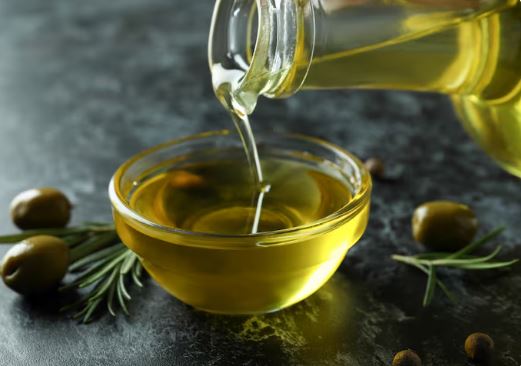
Before the recall was announced, the product had been available for purchase for almost a full year, from August 2025 to late August 2026. That window is quite long. Long enough that bottles ended up in home kitchens, where they were used in marinades, poured over pasta, and possibly given as gifts to friends.
Neither a dramatic health warning nor a trail of hospitalized customers accompanied the FDA’s announcement of the Kofinas olive oil recall. The products covered by this recall have not been linked to any illnesses. However, “no reported illnesses” is a limited form of solace when you discover that you’ve been using something that has never been approved by regulatory bodies.
The recalled product was offered online via the company’s website and at two locations in Cincinnati, Ohio: Montgomery Store & Infusion Kitchen and Findlay Market. There is a certain allure to both places. One of those local establishments where small producers develop genuine connections with their regulars is Findlay Market. Because of this, the sting is slightly different from that of a mass-market recall. This was not an industrial suburban factory floor transporting anonymous cans across twelve states. At the market stall, this local brand was probably well-known by name.
What is a garlic essential oil exactly, and why is its culinary approval status important? Not all essential oils are prepared or tested for ingestion; they are extremely concentrated extracts. Regulators carefully draw the line between an aromatic and food-grade garlic extract. Due in part to the risk of botulism in low-acid, anaerobic environments like oil, the FDA has mandated that commercially prepared garlic-in-oil products be acidified or otherwise protected. It’s challenging to determine whether or not a flavoring agent has undergone safety testing when it enters that equation without prior clearance. The true problem here is that uncertainty.
Compared to many single-location recalls, the distribution window for the recalled oil was wider because it was sold both in-store and online for a full year. It is recommended that anyone who purchased the product cease using it, discard it, and request a refund. Customers are advised to keep an eye out for symptoms of foodborne illness or allergic reactions and to get in touch with a doctor if needed. A complete refund will be given to any customer who reports a reaction, according to the company. It’s a fair offer, but it doesn’t address the fundamental question of how an unapproved ingredient ended up in a final product that was offered for sale for a full year.
Notably, Kofinas seems to be a small specialty manufacturer. Apart from the impacted goods, Kofinas also offers imported olive oil from Crete, balsamic vinegar, honey, muffuleta spread, and infused oils with flavors like basil, butter, dill, orange, and cilantro. It’s the type of artisan lineup that conveys a sincere concern for quality, which makes the error more difficult to understand rather than simpler. It’s possible that this was an honest oversight rather than intentional corner-cutting because small producers don’t always have the same regulatory infrastructure as large food companies. Nevertheless, it did occur.
The FDA Kofinas olive oil recall serves as a reminder that ingredient sourcing and food labeling call for more than just good intentions. Customers who shop at specialty shops or farmers’ markets frequently show a level of trust that larger brands don’t usually get. Safeguarding that trust matters. It is reasonable to inquire at a market stall about the food grade of a flavoring, and it is advisable to check the FDA’s recalls and safety alerts index for the most recent recall notices before assuming a pantry item is safe.
For now, the instructions are simple. Examine your shelves, look at the 500 ml, 250 ml, and 100 ml glass bottles, and put away any Kofinas garlic olive oil you purchased between August of last year and this summer. To the best of everyone’s knowledge, nobody became ill. It’s not quite the same as knowing it was safe, though.
