
The most routine decisions can become unexpectedly difficult during pregnancy. A cheese slice on a cracker. A hot bowl of pasta. A cheese board during a get-together with family. Things that never merited a second thought suddenly become real causes for concern. Wensleydale, that mild, crumbly, and distinctively English cheese that became well-known in the Yorkshire Dales long before Wallace and Gromit got involved, appears more frequently than you might think. For those who are currently craving a wedge of it, the good news is simple: Wensleydale cheese is safe to eat while pregnant.
Rather than accepting the verdict at face value, it’s important to understand why the NHS is so clear about this. Compared to soft cheeses, hard cheeses like Wensleydale have substantially less moisture. Because bacteria, including listeria, require moisture to grow and proliferate, the lower water content is significant. Hard cheese isn’t exactly sterile—nothing edible is—but the environment isn’t conducive to the kind of bacterial growth that actually poses a risk during pregnancy. To many people’s surprise, this holds whether the cheese is made from pasteurized or unpasteurized milk. In this case, the pasteurization status is not as important as the cheese’s hardness.
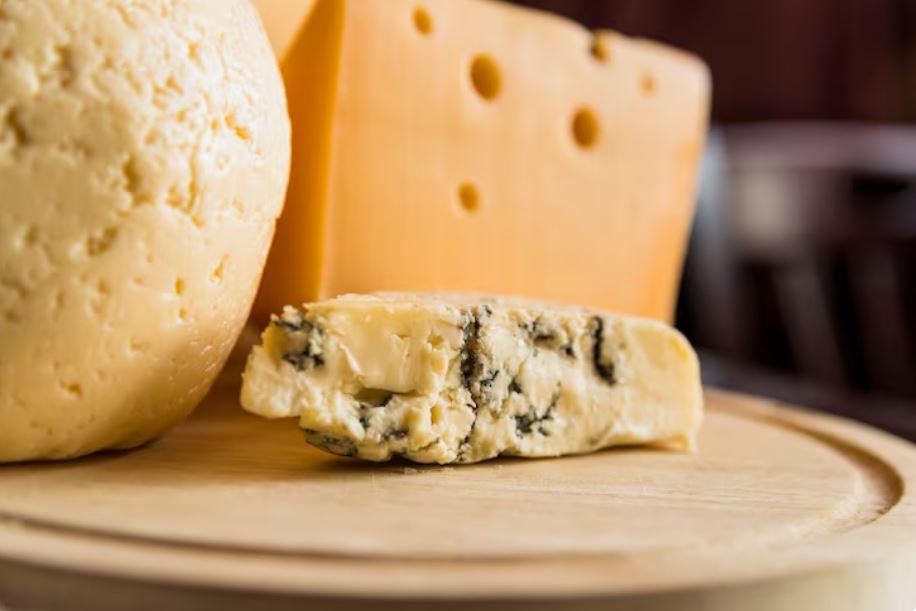
This is especially helpful to know because Wensleydale comes in a variety of forms, all of which are covered by the safety guidelines. Hard cheeses include smoked varieties, cranberry or apricot-studded varieties, and even blue Wensleydale, all of which are regarded as safe. Pregnant women should be cautious when consuming blue cheeses made from soft curds because their moist, open texture increases the risk of listeria growth. The Blue Wensleydale is a different animal; it is smaller, firmer, and doesn’t raise the same issues.
There’s a reason why pregnancy dietary recommendations can be so perplexing, and the author isn’t solely to blame. Because the public’s perception of risk has been oversimplified over time—”soft cheese bad, hard cheese fine”—the regulations surrounding cheese in particular frequently confuse because they don’t always hold up to closer examination. For instance, even after pasteurization, brie is soft and still poses a real risk. Soft foods like mozzarella and feta are regarded as fine. A lot of the work in these distinctions is done by the texture and ripening process, and that subtlety is often overlooked.
It’s difficult to ignore the needless anxiety that arises when making dietary decisions during pregnancy, especially for first-time mothers navigating conflicting online advice. A reassuring NHS page sometimes lacks the weight of a forum post that suggests Wensleydale might be dangerous because a particular farmhouse version is unpasteurized. Listeria infections during pregnancy can result in miscarriage, stillbirth, or serious illness in a newborn, so the worry is not unfounded. There is a genuine risk. However, it also depends on the context, and in this case, eating the cheese is actually encouraged.
The general hygiene precautions that apply to food during pregnancy, regardless of category, include checking use-by dates, storing cheese properly in the refrigerator, and being wary of pre-packaged sandwiches or buffet items where cheese has been left out at room temperature for an unknown period of time. These are not issues unique to Wensleydale. They are applicable everywhere.
For what it’s worth, Wensleydale goes pretty well with fruit, as the cranberry versions appear to happily acknowledge. It works well in a pregnancy diet when used in a baked dish, melted into something warm, or consumed as a snack straight from the block. A crumbly, pale yellow wedge that contains calcium, protein, and a little comfort. When the food regulations seem overwhelming, there are worse options.
