

Something smaller, more intimate: the absence of the smell of warm bread on a chilly Tuesday morning, the absence of the line of regulars who knew each other by name. Before anyone starts using corporate jargon about portfolio reviews and commercial viability, it’s important to take a moment to consider what Sayers the Bakers is about to leave behind in 19 communities throughout the North West.
Sayers announced this month that it will close 19 locations by the end of August 2026, potentially laying off about 100 of its 800 workers. The announcement, which was made through its operating company, S&PB Retail Ltd., was cautious and measured in tone. The management language, “comprehensive review of the store portfolio,” doesn’t fully convey what it means for the Shotton woman who has been purchasing her morning pasty from the same counter for thirty years.
In a Facebook post that lacked the directness of the corporate statement, Shotton councilor Mike Evans confirmed the local branch would close on August 22nd: “Sad news confirmed today by staff.” After decades in our community, Sayers in Shotton will close on Saturday, August 22. Spreadsheets cannot quantify the grief that was expressed in the comments below.
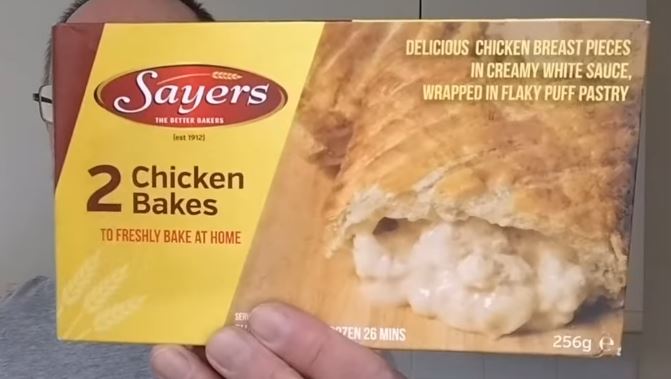
The chain is all too familiar with the pattern of closures. Aintree, West Kirby, and Widnes branches were closed last year. Before that, the entire company went into administration in December 2019; it wasn’t until Karen Wood intervened to buy it and start a new business that it was saved.
Because of that near-death experience, the current leadership frames their current actions as defending the 72 shops that remain and the 700 jobs that are associated with them rather than retreating. It’s most likely the appropriate framing. It’s also likely true that over 100 jobs would eventually be in jeopardy if these cuts weren’t made.
Sayers’ story has a longer history than most people realize. In 1912, Fred and Lylian Sayer began selling baked goods from a basement kitchen in Old Swan, Liverpool. Over the course of more than a century, this husband-and-wife business managed to grow into the biggest independent retail baker in the North West of England. That’s a big deal. Most companies don’t last ten years. Sayers endured a global pandemic, two world wars, post-war rationing, the rise of supermarket in-store bakeries, the decline of manufacturing towns, and the Greggs phenomenon. For a brief period, the 2019 administration appeared to be coming to an end. It wasn’t.
Rising operating costs, inflation that has proven impossible to fully pass on to price-sensitive customers, and the continuous migration of foot traffic away from traditional town centers are the same reasons for the current closures that appear in every press release from every struggling high street business right now.
The company stated unequivocally that fewer people were on the high street due to shifting shopping habits and that the math was no longer valid for 19 of their locations. Beyond Shotton, it’s still unclear exactly which 19 branches are affected; the complete list hasn’t been released, which can exacerbate uncertainty for staff members and customers trying to determine whether their local store is affected.
Sayers’ situation is not unique; in 2026, Coughlans Bakery closed all 91 of its locations in London and the South East after nearly 90 years. These don’t happen by accident. Pressures that supermarkets can counteract with sheer volume and that large chains can dilute through scale are being absorbed by the independent bakery industry. There are fewer options available to a family-run or regional chain located in the middle. Sayers is essentially doing just that: it can reduce expenses, close locations, and hope the core survives.
Instead of viewing these closures as the start of a longer exit, there is a sense that the chain actually plans to work hard with the remaining 72 stores. Although whether the economics will cooperate is a different matter, the statement about maintaining “our place on the high street, where we have been for 114 years” reads more like a declaration of intent than boilerplate. Even with 114 years of baking experience, the high street is changing.
In most places, the ovens are still operating. The rolls of sausage are still warm. However, August is a difficult month for the communities watching their local Sayers board up its windows and the approximately 100 people waiting to find out if their jobs survive.
