

An M&S trifle in the refrigerator at a British gathering has an almost ceremonial quality. The cream is always perfect. The custard has a rich yellow color that is somehow unmatched by home cooking. Additionally, there is enough sharpness in the fruit compote underneath to prevent an overabundance of sweetness. People actually look forward to this dessert, which is probably why the topic of freezing one arises so frequently.
There is no ambiguity in the packaging. M&S states that their Best Ever Trifle is “not suitable for home freezing,” and it makes sense when you consider the ingredients of the dessert. A freeze-thaw cycle does not go well for whipped cream. It separates, loses its airy structure, and returns with a melancholy, somewhat watery appearance. Custard behaves differently; under certain circumstances, especially when made with high-fat dairy, it can withstand freezing, but even then, the texture changes. The sponge is arguably the least impacted part, but once defrosted, it absorbs liquid differently, occasionally becoming more sodden than soft.
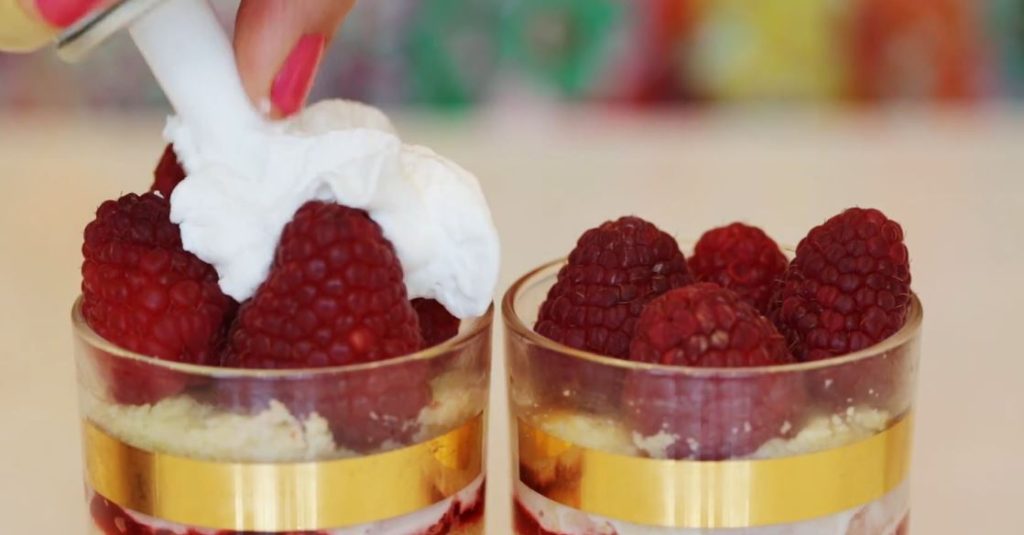
Using what they call a meticulous layering technique, Marks & Spencer created their Best Ever Trifle, which has a cloud of whipped cream on top, vanilla custard in the center, and strawberry and raspberry compote at the base. It’s a structure that relies on the distinct behavior of each layer. This structure is completely upset by freezing, which is more about the experience being noticeably diminished on the other side than it is about food safety.
Nevertheless, a small but vocal online community of home cooks maintains that they have successfully frozen trifles. If there is a trick, it appears to be fat content. It appears that the full-fat cream and full-cream milk in custard provide enough lipid structure to keep it from completely collapsing when frozen. This might apply to homemade versions where you are in charge of the recipe. It’s a different matter entirely, and it’s probably not worth experimenting with the night before a dinner party, whether it applies to a commercially produced trifle, where texture and appearance have been adjusted for fresh consumption.
Interestingly, there is a frozen M&S trifle product available. The Sherry Trifle Roulade, which can be found in some M&S frozen sections and was positively reviewed in a Christmas food blog back in 2016, is meant to be defrosted at home before serving. That is a completely different product that was designed with freezing in mind from the beginning. That product is not the Best Ever Trifle from the chilled section, and the difference is important.
The practical solution for those purchasing M&S trifles in advance of an event is to refrigerate them for up to two days after purchase, excluding the day of delivery if they order through Ocado. Since that window is rather small, it would probably be wiser to plan around it rather than push the freezer option. It makes sense to keep the dessert chilled and finish it the next day if it survives the gathering with some leftovers. After that, regardless of the freezer’s involvement, quality declines.
It’s difficult to ignore the fact that the trivial question actually speaks to a larger concern about food waste and preparation, especially during the holidays when people are purchasing in bulk and hoping that things will last. The intuition makes sense. A layered cream dessert is at the top of the list of foods that actually defy the shortcut. The M&S trifle is made to be refrigerated, to last for two days, and to be eaten while it’s still perfectly formed.
FAQs
Q1: Can you freeze M&S Our Best Ever Trifle at home?
No — the packaging explicitly states it is not suitable for home freezing.
Q2: Why doesn’t whipped cream survive freezing?
It separates and loses its airy texture when thawed.
Q3: Does M&S sell any trifle that can be frozen?
Yes, the Sherry Trifle Roulade is designed specifically for freezer storage.
Q4: How long does M&S trifle last in the fridge?
Up to two days from purchase, excluding any delivery day.
Q5: Can homemade trifle be frozen successfully?
Possibly, if made with full-fat cream and full-cream milk custard.
