

The granola bar section appears to be a wellness convention when you stroll down the snack aisle of any supermarket. Words like “natural,” “wholesome,” and “clean ingredients” abound on the packaging. Some bars even display pictures of forests and mountains, giving the impression that the oats were picked at a high altitude. For years, many consumers have taken this carefully crafted image at face value. As it happens, many of those bars aren’t worthy of the halo.
Here, there is a clear discrepancy between perception and reality. Granola bars were deemed healthy by 71% of consumers, but only 28% of nutritionists agreed, according to a 2016 study. The industry may want you to think that the gap has closed, but it hasn’t. Some popular options still have up to 13 grams of sugar per bar, which is about the same as some chocolate snacks, but only one gram of fiber and virtually no protein. Those figures are typically not as prominently displayed on the packaging.
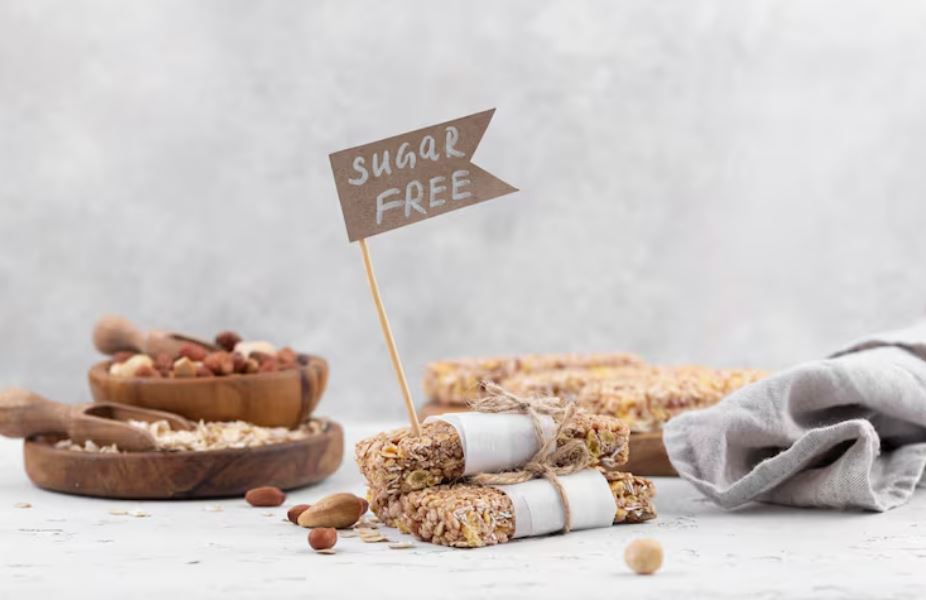
However, it would be too easy to completely discount granola bars. Dietitians who have actually studied the category take care to distinguish between the sugar delivery systems that are dressed up and the options that are actually nutritious. According to registered dietitian Jackie Bridson, a well-selected bar is genuinely portable and helpful when time is limited. The format is not the issue. What goes inside it is the issue.
For good reason, dietitians are most likely to keep a close eye on the added sugar figure. Sweeteners like honey, agave, and brown rice syrup may seem harmless, even natural, but once they enter the body, they have the same effect as refined sugar. Regardless of how healthful they appear on the front of the packet, those sweeteners still show up as added sugar on your nutrition label, according to Paloma Vega, a registered dietitian. According to several dietitians consulted on the topic, the ceiling should be approximately eight grams of added sugar per bar.
The two numbers that are worth pursuing first are protein and fiber. The majority of granola bars are mostly made of carbohydrates, and if they don’t contain at least three grams of fiber and five to ten grams of protein, there’s a good chance the bar will make you hungry within an hour. Oats, nuts, seeds, and dried fruit are examples of whole food ingredients that are most likely to meet both criteria. These ingredients are typically found in bars with shorter, easier-to-read ingredient lists. Being able to recognize every item on that list without a background in chemistry is a little comforting.
Treating the nutrition label as the product and the front of the packaging as advertising may be the most beneficial change for consumers. The two don’t always convey the same narrative. Research is increasingly pointing to possible effects on gut bacteria and blood sugar regulation from ingredients like aspartame and sucralose. Some companies use artificial sweeteners to keep the sugar numbers down, which creates its own set of considerations. It’s not really progress to swap out one issue for another.
There are better bars out there. Companies that stick to using simple ingredients and little processing have made a name for themselves in the market. An advanced degree in nutrition is not necessary to choose one. Mostly, it just takes a few seconds to read the label, and you have to be willing to return anything that seems more like a dessert than a snack.
FAQs
1. Are granola bars actually healthy?
Some are, but many contain as much sugar as candy bars.
2. How much added sugar should a granola bar have?
Dietitians recommend a maximum of 8 grams per bar.
3. What should I look for on the nutrition label?
Prioritise at least 3g of fiber and 5–10g of protein.
4. Are natural sweeteners like honey and agave safe?
They still count as added sugar and affect your body similarly.
5. Which ingredients signal a genuinely healthy granola bar?
Look for oats, nuts, seeds, and fruit with minimal processing.
