

The notion that a bowl of blueberries or a drizzle of olive oil may be more important to your long-term health than anything in your medicine cabinet seems almost counterintuitive. However, the research is increasingly pointing in that direction. Heart disease, type 2 diabetes, some types of cancer, and even Alzheimer’s disease have all been connected to chronic inflammation, which is the low-grade, persistent kind that doesn’t show up as redness or fever. It’s the kind of thing that develops gradually over years and is greatly influenced by the foods you eat on a daily basis.
According to Dr. Frank Hu, a professor of epidemiology and nutrition at Harvard’s School of Public Health, food and drink ingredients can have anti-inflammatory properties. That is no longer a fringe viewpoint. Preventive health is becoming more and more popular among serious researchers and clinicians. The Mediterranean diet, which naturally leans toward the foods covered here, has become somewhat of a gold standard in this discussion—not because it was intended as a treatment, but rather because populations that followed this diet simply demonstrated improved health outcomes over time.
Probably the simplest place to start is with berries. Anthocyanins, which are antioxidants found in blueberries, strawberries, and blackberries, have been shown to reduce blood levels of inflammatory markers. According to one study, adults who were overweight and regularly consumed strawberries had lower levels of certain heart disease-related markers. That is not a claim of a miracle. It’s a small but significant discovery. We seem to wait for significant outcomes before making dietary changes, even though the real evidence has always been more gradual and cumulative.
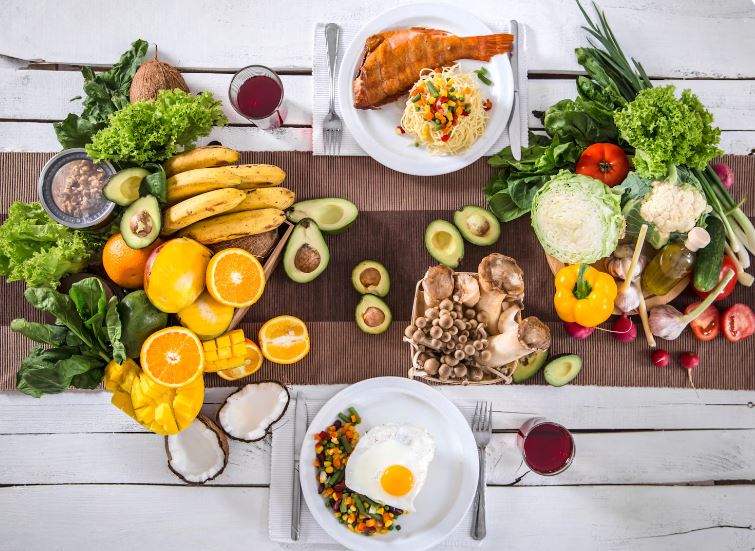
If you can manage it, eating fatty fish twice a week is worthwhile. The omega-3 fatty acids EPA and DHA, which are abundant in salmon, sardines, and mackerel, are transformed by the body into substances with actual anti-inflammatory qualities. One of the main blood markers for systemic inflammation, C-reactive protein, has been found to significantly decrease in individuals who regularly eat salmon or take fish oil supplements. It’s reasonable to wonder if someone can afford wild salmon on a weekly basis; sardines, which are frequently disregarded, offer comparable advantages at a much lower price.
In these discussions, leafy greens should be given more credit than they usually get. Vitamins, carotenoids, and natural antioxidants found in spinach, kale, and collard greens work at the cellular level to lessen the type of oxidative stress that can trigger inflammatory reactions. Although the precise compounds that work best in this situation are still not entirely clear, the general pattern across studies is reliable enough to be taken seriously. Over time, a plate with dark greens on most days appears to be a true asset.
A slightly different category is occupied by extra virgin olive oil. It contains a substance called oleocanthal, which has been carefully and cautiously compared to natural pain-relieving mechanisms by researchers. The crucial term on that label is “extra virgin,” as processing removes a significant portion of its usefulness. The most practical way is probably to use it for light cooking or as a base for salad dressings. For someone with rheumatoid arthritis, it won’t take the place of anti-inflammatory drugs. However, it works well when combined with a sensible diet as a daily routine.
There has been a lot of controversy surrounding turmeric, some of which is justified. Its active ingredient, curcumin, does seem to block some of the molecules that cause inflammation within cells. The truthful warning is that curcumin’s bioavailability, or the amount that the body truly absorbs, is restricted by itself. It is much better absorbed when combined with black pepper, as is frequently done in traditional South Asian cooking. Chronic illness cannot be cured by adding a small amount of turmeric to a soup or tea. However, it’s also not insignificant, and developing this habit is simple.
Green tea is worth mentioning as a truly well-researched beverage rather than as a fad. Research has demonstrated that its main anti-inflammatory component, EGCG, decreases the production of pro-inflammatory cytokines. Although it’s always difficult to pinpoint tea as the cause, people in areas with high green tea consumption have consistently shown lower rates of certain chronic conditions. On most days, though, switching from a sugary beverage to a cup of green tea has significant benefits and virtually no drawbacks.
Walnuts, almonds, and chia seeds are among the nuts and seeds that complete the picture. They offer fiber, magnesium, healthy fats, and, in the case of walnuts, plant-based omega-3s. Regular nut consumption has been linked in studies to lower inflammatory markers and a lower risk of cardiovascular disease. A tiny handful as a snack instead of processed crackers or chips is the kind of tiny, everyday change that has a significant impact over the course of months and years.
None of this calls for a costly new protocol or a significant overhaul. More color, more fish, more olive oil, and fewer processed foods and refined sugars are the main ways to change the balance of what is on the plate. No single ingredient has an anti-inflammatory effect. It’s a pattern that is repeated day after day, meal after meal, until it ceases to feel like a choice and becomes simply the way you eat.
