

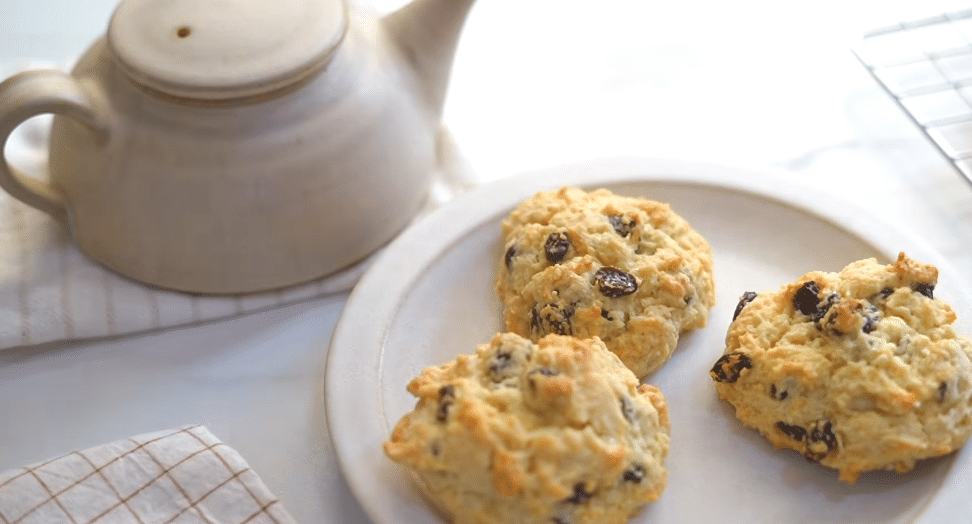
Taking a tray of rock cakes out of the oven and seeing them spread out on the baking sheet like small, defeated puddles is a very deflating sight. They were meant to have that characteristically rough, rocky top—that rough surface is what gives them their name, after all. They went flat instead. After that comes the question that bakers have been asking in kitchen forums for years: “Why did my rock cakes go flat?” This question is almost always asked with a hint of betrayal.
To make things worse, rock cakes are actually quite hard to make. Flour, butter, sugar, eggs, some dried fruit, and baking powder make them look pretty easy. But the difference between a real rock cake and one that has fallen apart is not as big as most people think. Most baking failures might be caused by a few mistakes that are made over and over again. It all makes more sense when you understand what’s going on at the chemical and structural levels.
The first thing that comes to mind is almost always baking powder. If the powder is old or has been stored badly, like leaving it out in the open next to the stove to soak up moisture, it won’t work. The gas that should be released during baking, which gives it lift, either starts to burn too soon in the mixing bowl or not at all in the oven. The dough looked good when it was put in, but it didn’t have anything left to rise with. A quick test: drop a small amount into hot water and watch for a fizz. This will tell you right away if the baking powder is still working.
Then there’s the matter of mixing too much. People are shocked by this one. Rock cake dough shouldn’t be mixed too much; it should be handled more like pastry. When you start to work it like bread dough, gluten is formed in a way that makes the dough spread out instead of staying in one shape. What some bakers say is that the dough should look almost rough and unfinished, which is exactly what you want. When you work dough too much, it gets stretchy and loose in the wrong way.
A lot of simple recipes don’t even say to chill the dough before baking, which is likely part of the problem. This gives the structure time to set before the heat melts everything. Cold fat keeps its shape better in the oven for longer. It’s possible to see a difference after just fifteen or twenty minutes in the fridge. After a short chill, the cakes hold their dome shape much better. It’s hard not to notice once you’ve tried it.
Most home bakers don’t realize how important oven temperature is. Rock cakes need a steady, high temperature of about 200°C so that the outside hardens quickly and the middle doesn’t fall apart. If the oven is cool or takes a long time to warm up again after the door is opened, the fat can melt slowly, and the structure can fall apart before the proteins and starches have set. This kind of collapse can happen if you open the oven door too early to check on them, especially in the first ten minutes.
You should also think about the flour ratio. If there isn’t enough flour compared to fat and sugar, the batter will act more like a cookie, spreading out easily and not holding its shape. The dough should be stiff enough that you can shape it by hand and then drop it on the tray in rough mounds. The recipe or measurements are probably wrong if it’s too soft or wet to handle.
If the fruit hasn’t been patted dry, it can add extra water that weakens the whole batch. It’s still not clear if this is something that most home bakers think about, but it’s the kind of small thing that makes the difference between a successful bake and one that leaves you staring at a flat tray wondering what went wrong.
It’s important to remember that rock cakes are in the middle of a scone and a small cake, and they can be finicky like both. The technique lets you off the hook for a while, but then it doesn’t anymore. It’s not a big deal to use fresh baking powder, handle the dough as little as possible, chill it for a short time, and put it in a hot oven. The physics of the bake are now in sync again because of these small changes. And it’s easy to see the difference on the tray once they’re made.
FAQs
Q1. Why do rock cakes spread flat instead of holding their shape?
Cold fat, fresh leavening, and minimal mixing are what keep them upright.
Q2. Does baking powder really make that much difference to rock cakes?
Expired or damp baking powder produces no lift, causing flat, dense results.
Q3. Should I chill rock cake dough before baking?
Yes — even fifteen minutes refrigerated helps the fat hold its structure longer.
Q4. What oven temperature is best for rock cakes?
A high, consistent heat around 200°C sets the exterior before the inside collapses.
Q5. Can overmixing cause rock cakes to go flat?
Overworked dough spreads outward instead of holding its rough, domed shape.
