
The majority of adults in Britain are familiar with one variation of the New Year’s diet. The January resolution, the empty refrigerator, the short-lived and somewhat depressing kale experiment. Then, at the end of the third week, the gradual return to habit. The cycle is so well-known that it hardly qualifies as failure anymore. This is why a recent statistic from 2026 food trend research is truly noteworthy: about one in three Britons who intend to diet this year say they anticipate sticking with it for longer than six months.
Highlights
- 33% of Britons dieting in 2026 plan to stick with it for over six months.
- Meal planners are 11% more likely to avoid ultra-processed foods.
- Pulses, fermented foods, and high-fibre staples are driving long-term diet success.
That is a significant behavior change. You can see real results after six months. Long enough to develop a routine instead of just following one. What’s different this time is a question worth asking, and the answer, based on what nutritionists advise and what consumers are actually purchasing, depends less on willpower and more on the particular foods people are selecting.
It includes protein. Because they lessen the mid-afternoon desperation that usually throws everything off, high-satiety proteins like eggs, Greek yogurt, pulses, and tofu have become a quiet staple for long-term dieters. Although the high-protein trend has been growing for a few years, the source has changed in 2026. With lentils, chickpeas, and edamame showing up on meal plan templates that didn’t exist five years ago, plant-based proteins are becoming more popular. Cost may play a role in this—grocery prices have increased significantly, and meat is expensive—but the nutritional result is good regardless of the driving force.
Fiber is underappreciated. This is what nutritionists have been saying for years, and it appears that the message is finally getting through. Although the average Briton still only eats about 20 grams of fiber per day, compared to the recommended 30 grams, there is a noticeable trend toward wholegrain bread, oats, and the type of cooking that used to seem to be limited to health food circles. 2026 is already being dubbed the “year of the bean” by some dietitians, which seems absurd until you look at trends in recipe searches and supermarket sales data.
Additionally, fermented foods have transitioned from niche to almost mainstream. Kefir, live-culture yoghurt, and kimchi are finding their way into the shopping baskets of people who, three years ago, had no idea what a microbiome was. The discussion of gut health has progressed from nebulous wellness claims to something more tangible; actual research now connects gut bacteria to immune system function, mood, and appetite regulation. The instinct to eat in ways that support digestion appears to be spreading in a way that feels more like a gradual recalibration than a trend, though it’s debatable whether most people can fully articulate that science.
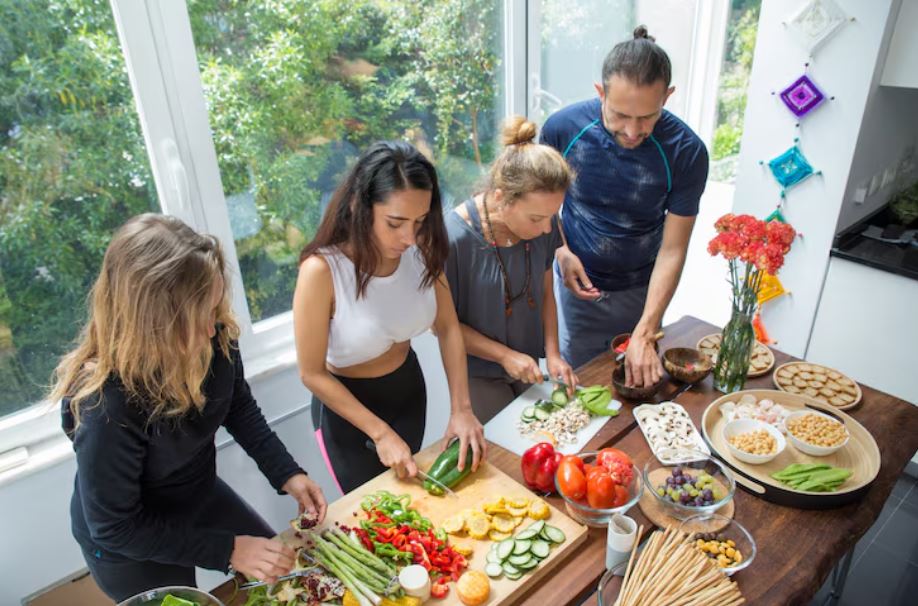
However, meal planning may be more labor-intensive than any one food. According to data from the June 2026 Good Food Nation survey, which included over 2,000 UK adults, 42% of Britons now prepare meals ahead of time in order to save money. Additionally, meal planners are much more likely than non-planners to avoid ultra-processed foods: 72% of meal planners say they avoid UPFs, compared to 61% of non-planners. About 25% of respondents said they cook in larger quantities to spread throughout the week, so batch cooking is also a part of the picture.
It’s difficult to ignore the fact that the habits most closely linked to long-term dietary success—planning, cooking from scratch, and relying on reasonably priced whole ingredients—are also being adopted, at least in part, due to financial necessity. People are adopting habits that nutritionists would have advised regardless due to rising living expenses. It remains to be seen if that coincidence holds true and if the six-month commitment turns into a full-year one for that 33%. However, there seems to be a shift in the question that Britain is posing regarding food. It’s more important to consider what should be added than what should be removed.
