

Once plentiful, table-filling dishes are being reconsidered, discreetly rearranged, served in half-sizes, or completely rethought. This could easily be mistaken for the newest wave of wellness culture sweeping through the hospitality sector, or for a health trend. However, the change is more significant and more focused than that.
According to estimates from hospitality insights consultancy KAM, between 4% and 7% of adults in the UK currently use GLP-1 weight loss medications, such as Ozempic, Wegovy, and Mounjaro. That amounts to almost three million people. That is comparable to vegetarians or those who are dealing with food allergies, to put it in perspective. Menus were altered by both of those groups. The same thing is being done by this one, but more quickly.
In general, the medications function by reducing appetite. They make people feel fuller faster, sometimes after just a few bites. Additionally, they frequently abstain from alcohol, highly processed foods, and high-calorie snacks. According to YouGov data from early 2026, 64% of GLP-1 users in the UK report eating fewer snacks, 53% have reduced their intake of fast food, and 39% drink less alcohol. These figures are not marginal. They signify a substantial change in the behavior of a clientele that eateries and takeout had, up until recently, based their business strategies on.
Weight Loss Drugs & UK Dining: Key Statistics (2025–2026)
| Stat | Figure | Source |
|---|---|---|
| Estimated % of UK adults currently using GLP-1 weight loss drugs | 4%–7% | KAM Hospitality Insights, 2026 |
| Estimated number of UK adults using GLP-1 medication | ~2.5–3 million | KAM / Channel 4 News, Nov 2025 |
| UK adults who have used, are using, or are considering GLP-1 drugs | 8.25 million | The Food Foundation, 2026 |
| % of Britons who have used weight loss drugs | ~8% | YouGov Health & Wellbeing Tracker, 2026 |
| % who would consider using weight loss drugs in future | 14% | YouGov Health & Wellbeing Tracker, 2026 |
| Average weekly grocery spend before GLP-1 use | £102 | YouGov / GLP-1 Users Spend Recontact, Feb 2026 |
| Average weekly grocery spend while on GLP-1 drugs | £91 | YouGov / GLP-1 Users Spend Recontact, Feb 2026 |
| Reduction in weekly grocery spend (active users) | 11% | YouGov, Feb 2026 |
| Average monthly takeaway spend before GLP-1 use | £49 | YouGov / GLP-1 Users Spend Recontact, Feb 2026 |
| Average monthly takeaway spend while on GLP-1 drugs | £30 | YouGov / GLP-1 Users Spend Recontact, Feb 2026 |
| Reduction in monthly takeaway spend (active users) | 19% | YouGov, Feb 2026 |
| % of GLP-1 users who eat fewer snacks | 64% | YouGov Health & Wellbeing Tracker, 2026 |
| % of GLP-1 users who have cut back on fast food | 53% | YouGov Health & Wellbeing Tracker, 2026 |
| % of GLP-1 users drinking less alcohol | 39% | YouGov Health & Wellbeing Tracker, 2026 |
| % of GLP-1 users consuming fewer fizzy drinks | 33% | YouGov Health & Wellbeing Tracker, 2026 |
| % of GLP-1 users eating more vegetables | 38% | YouGov Health & Wellbeing Tracker, 2026 |
| % who believe GLP-1 drugs are more effective than traditional dieting | 72% | YouGov Health & Wellbeing Tracker, 2026 |
| % worried about regaining weight after stopping medication | 80% | YouGov Health & Wellbeing Tracker, 2026 |
| Global spending on GLP-1 drugs in 2024 | $54 billion | The Economist, Dec 2025 |
| Rise in extra protein orders at Chipotle after High Protein Menu launch | 25% | Chipotle / Vogue, Apr 2026 |
It is equally difficult to ignore the financial signal. Weight loss medication users now spend about £91 a week on groceries, an 11% decrease from £102 prior to beginning treatment. Spending on takeout has decreased by almost a fifth, from £49 to £30 per month. The behavioral changes often continue even after people stop using the drugs. Even now, former users spend less on takeout than they did before starting treatment. It’s possible that the medications actually alter people’s long-term relationship with food rather than merely temporarily reducing appetites.
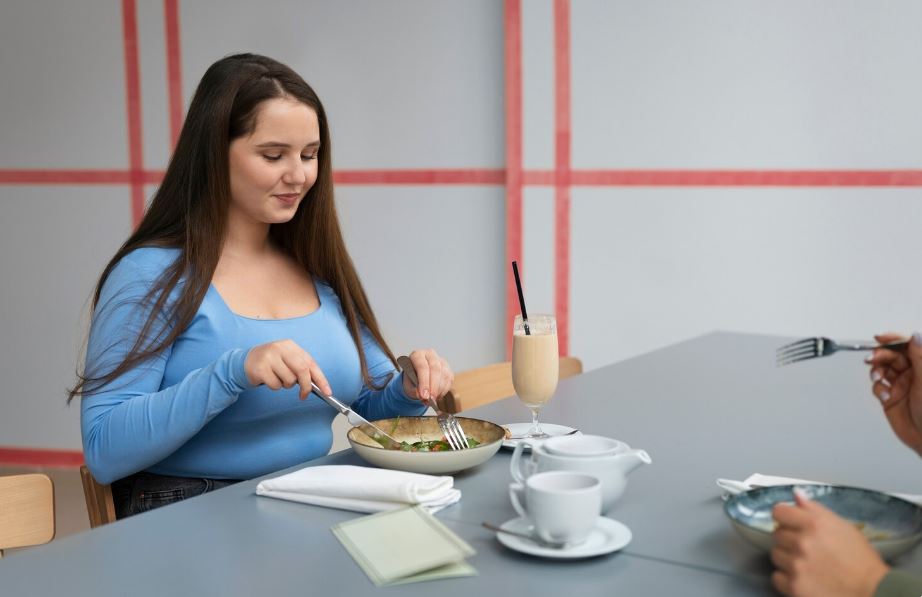
Restaurants are reacting in a variety of ways, from covert to overt. Otto’s, a London restaurant that specializes in rich, decadent dishes, launched a menu of more affordable luxury options after a frequent patron said he would be eating out less frequently now that he was taking medication. The strategy was practical rather than evangelical; it was merely an acceptance of reality rather than a rebranding of wellness. In the US, Chipotle reported a 25% increase in extra protein orders after launching its High Protein Menu, and Cuba Libre introduced a special GLP-1 menu in late 2025. In January 2026, Shake Shack unveiled its Good Fit Menu. The trend is similar across sectors: greater flexibility, less volume, and more protein.
Major British supermarkets like Morrisons, Ocado, and Marks & Spencer have already launched product lines aimed at GLP-1 consumers. Smaller “little” options have been developed by the Itsu quick-service restaurant chain. These are the first steps in what will probably be a longer reckoning. According to data from the Food Foundation, an estimated 8.25 million people in the UK have either taken, are currently taking, or are seriously considering GLP-1 medication. There is no decline in the market.
There is a feeling that restaurants that adapt early will gain something significant, though it’s still unclear exactly how this plays out. Not only by retaining patrons who might otherwise eat out less frequently, but also by drawing in those who still desire the dining experience, flavor, and ambience—just not at the volume they were previously able to handle. Reducing portion sizes is not the only problem. Customers taking these drugs require food that is actually high in protein and fiber, not just condensed versions of foods high in calories. It takes more than just a rebranding to achieve that balance.
It’s interesting to note how many diners are drawn to these menus even if they aren’t taking GLP-1 medications. Cuba Libre discovered that three of its smaller, protein-focused dishes were so well-liked by regular patrons that they were added to the permanent menu. GLP-1 medications have accelerated but did not initiate a broader cultural recalibration regarding portion size and nutritional intentionality. It’s already prominently displayed on menus all over the nation, whether it’s a long-term change or a fleeting one.
