

The scene is still recognizable when you walk into most mid-range British restaurants on a Friday night: tables are being filled, menus are being studied, and there is a faint murmur of conversation. However, if you take a closer look at what people are ordering, you’ll notice a change. Smaller dishes. Not a second round. Where a glass of wine once stood, there is now sparkling water. There are many reasons, but one is becoming more difficult to overlook: an increasing number of diners are taking GLP-1 medications, which are altering not only waistlines but also the cost of dining out.
Since beginning the medication, nearly one-third of GLP-1 users in the UK report going to restaurants less frequently. That number rises to 43% for fast food in particular. No operator can afford to set aside these figures. The conventional logic of hospitality—portion size as value, abundance as satisfaction—begins to fall apart at the seams when appetite itself is medically reduced.
It is worthwhile to consider the practical implications of this. These diners are ordering salads rather than steak because they are not on a diet. GLP-1 users frequently consume much less food overall, sometimes reducing their daily caloric intake by 15 to 20 percent. They typically steer clear of heavy, fried, or fatty foods because the medication physically alters their tolerance and cravings, not because they lack willpower. Bread, pasta, desserts, and fried appetizers are some of the most frequently omitted foods. It is a subtle but significant disruption for operators whose menus have been constructed around precisely those categories.
The industry has begun to react, albeit at varying rates. Higher-end venues have seen rapid growth. In partnership with a certified obesity expert, Cuba Libre introduced what it called a GLP-Wonderful menu, consisting of dishes centered around protein and fiber. The response has been more confident at the premium end than in quick-service, in part because that kind of effort requires time and resources. The majority of smaller chains and independent restaurants are sticking to their current menus, promoting small plates as a more flexible eating option, adding high-protein labels, or providing options for smaller portions.
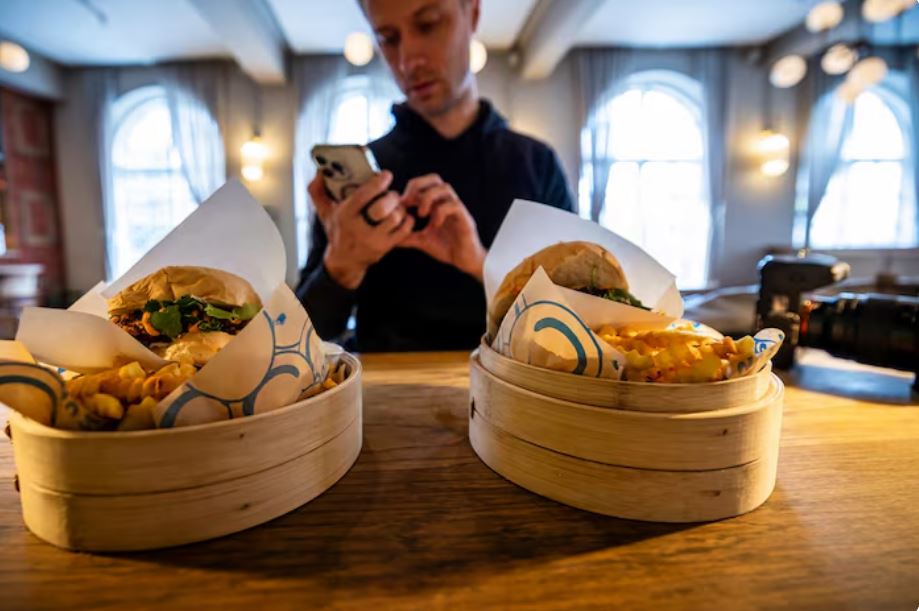
It seems like the industry is still debating how much to publicly support this. There is a risk associated with dedicating a portion of the menu to GLP-1 users; it may come across as clinical or give the impression to the other patrons that the restaurant has reorganized itself around a minority. It appears more likely that there will be a slower, more subdued integration of dishes that are higher in protein and lower in fat without being identified as such. Approximately 23% of British consumers already report that they are changing venues due to a lack of appropriate options. That number is not insignificant.
Alongside all of this is the question of alcohol. The number of calories in a glass of wine conflicts with the dietary logic that GLP-1 medications enforce, and they seem to reduce the desire for alcohol. GLP-1 users’ visits to bars have decreased. Orders for drinks are shorter. This is coinciding with a wider cultural shift among younger British adults away from alcohol; this trend predates weight loss medications by several years, but GLP-1 adoption appears to be picking up speed in a particular group.
Operators appear to be realizing that the solution might not be found solely on the menu. Rather than emphasizing the experience of dining and drinking, some venues are subtly shifting their focus to the experience of being somewhere. By adding pool tables, virtual darts, and shuffleboards next to the food vendors and bars, Market Halls renamed its Oxford Street location as Games Hall. Although it is not a GLP-1 strategy, it serves as one—a reason to come that is independent of hunger.
Whether these changes will compound or plateau is still unknown. Restaurants would be foolish to rebuild everything around GLP-1 users at the expense of the majority because they still make up a small percentage of the UK population overall. However, the direction of travel seems fairly obvious. There will always be diners who want less and want it to mean more.
