

The advice is almost embarrassingly straightforward. Eat a banana before bed. That’s all. No subscription wellness app, no expensive supplement stack, no elaborate wind-down ritual involving weighted blankets and lavender diffusers. Just a fruit that costs less than a dollar, sitting on your kitchen counter, possibly doing more for your sleep than anything else you’ve tried this year.
It sounds like the kind of thing a grandmother would say, the sort of old folk wisdom that gets dismissed before it’s properly examined. However, if you take the time to examine what’s really inside a banana, the dismissal begins to seem a little hurried.
About 34 milligrams of magnesium, or about 8% of what most adults require daily, can be found in a medium banana. That number might not sound dramatic, but magnesium does something quietly important in the body. It aids in controlling the circadian rhythm, which is your body’s internal clock that determines when you are awake and when you become drowsy. According to research, getting enough magnesium promotes the production of melatonin while also lowering the stress hormone cortisol. Lower cortisol at bedtime is probably familiar to anyone who has ever lain awake at midnight with their brain practicing tomorrow’s problems.
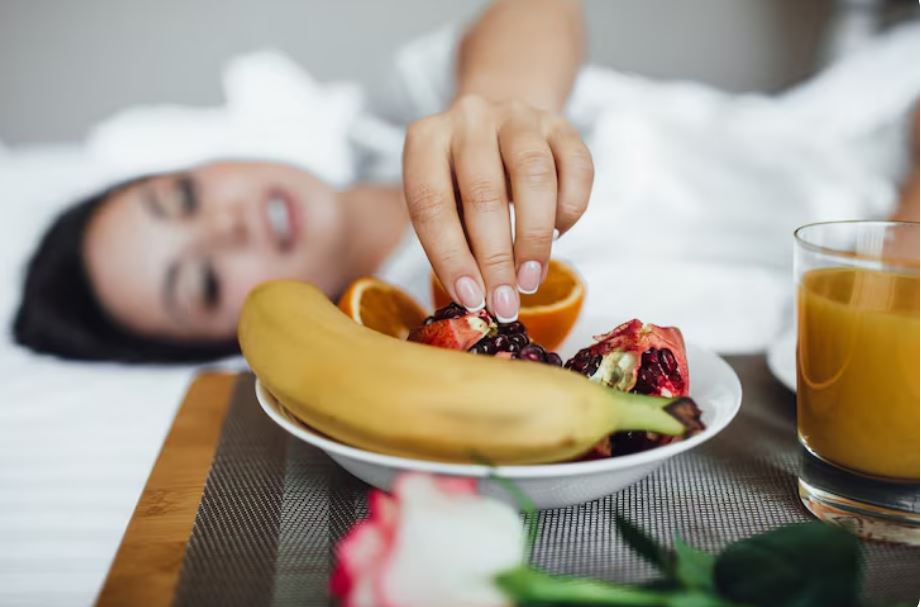
Then there’s tryptophan, the amino acid that’s made bananas a conversation topic in sleep circles for years. Although the turkey connection has always been somewhat exaggerated, tryptophan is the same compound linked to post-Thanksgiving drowsiness. The route it takes after entering the brain is more obvious: tryptophan is converted to serotonin, which serves as a chemical precursor to melatonin. Bananas contain enough tryptophan to at least start the chain reaction. Tryptophan consumption has been linked to better sleep quality, including shorter periods of time spent lying awake before falling asleep and fewer nighttime awakenings, according to a systematic review published in Nutrition Reviews.
Surprisingly, the amount of carbohydrates also matters. Foods high in carbohydrates seem to facilitate tryptophan’s more effective passage through the blood-brain barrier, thereby opening the door for the entire serotonin-melatonin process to begin. Potassium rounds things out — low potassium levels have been linked to disrupted sleep, particularly in people who deal with nighttime muscle cramps. The banana’s use as a sleep aid and its quiet reputation as a cramp remedy may be pointing to the same underlying mechanism.
Interestingly, no study has yet directly compared the effects of bananas on sleep; instead, researchers have focused on the individual nutrients rather than the fruit itself. It’s important to be honest about that gap. The science is speculative rather than conclusive. However, it seems more difficult to discount the combination of multiple well-researched substances in one easily absorbed, genuinely safe food than any one nutrient by itself.
For those with mild insomnia or restless nights, sleep coaches are now suggesting the banana-before-bed method as a low-friction first step. Not as a cure. Not in place of regular bedtimes, good sleep hygiene, or medical care when those things are truly necessary. However, as a tiny, genuine item that is practically risk-free and costs very little. When a medium banana is consumed an hour or so before bed, the body has enough time to start the digestive process and begin transforming those nutrients into something the brain can utilize.
It’s hard not to notice how often the most sensible sleep advice turns out to be the least marketable. No one is getting rich off bananas.
