
For some time now, the checkout receipt has been quietly narrating a tale. The price of a can of full-sugar cola has increased. You may or may not have noticed that the orange fizzy drinks that used to pile up in your trolley became slightly smaller or somewhat less sweet, and that’s exactly the point. Governments relying on the sugar tax reasoned that everyone would benefit if they could alter the contents of the can without altering their purchasing patterns. To some extent, it was successful. A 29% decrease in sugar content per 100 milliliters in branded soft drinks is a significant accomplishment. However, the narrative is now going beyond the canon and into more intimate territory.
The UK government announced in November 2025 that milk-based beverages, such as bottled milkshakes, iced coffees, and flavored dairy drinks, will be subject to the Soft Drinks Industry Levy starting in January 2028. This announcement validated what health advocates had been advocating for years. Wes Streeting stated it bluntly while standing in the Commons. Businesses will either pay or reformulate. The soft drink industry quietly accepted this ultimatum years ago, changing recipes and learning the lesson that consumers would follow if the change was made gradually enough. It’s actually unclear if the milkshake industry reacts similarly.
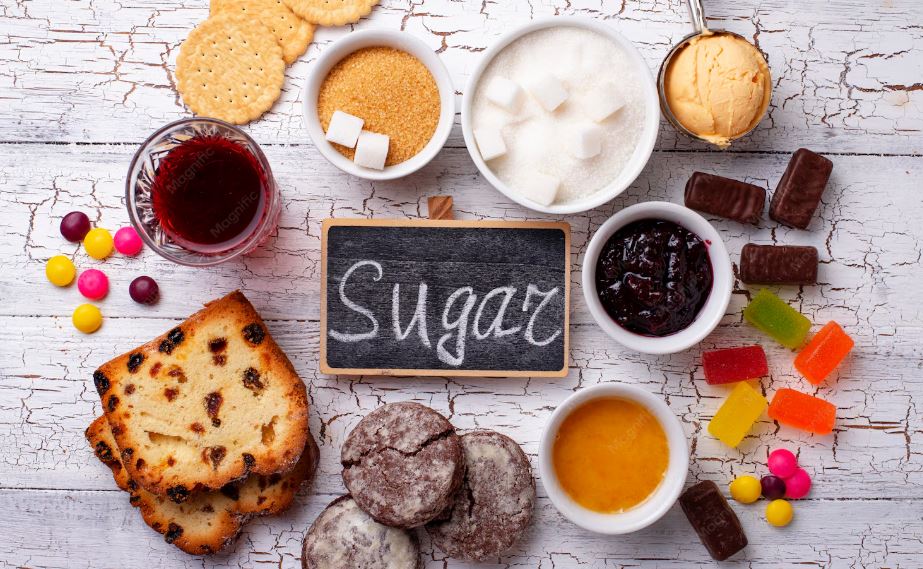
Observing this development in several markets at once gives the impression that sugar taxation is about to embark on a second, more complex phase. The first wave went after the obvious offenders: the energy drinks, sports drinks, and fizzy cans that teenagers waited in line for outside corner stores. There were no supporters of those products who could honestly assert that they were nourishing. It felt rather clean to tax them. Biscuits, however, are distinct. Cakes are not the same. A can of lemonade just doesn’t have the same cultural weight as the snack section of your neighborhood supermarket, so pursuing it will result in a different kind of resistance.
Queen Mary University of London researchers discovered that 74% of biscuits and 97% of cakes have what they called needless amounts of sugar. For years, that statistic has been present in public health reports, but manufacturers who were not under any financial pressure to alter their practices largely disregarded it. The voluntary reduction goals, which were established in 2018 and required manufacturers to remove 20% of sugar from snack products by 2020, yielded, at best, mediocre results. A tax may be the only mechanism that genuinely modifies industry behavior at scale, and this possibility is currently causing some anxiety among confectionery manufacturers.
Pakistan provides a helpful, if cautious, analogy. There, the combined tax burden on sugar-filled beverages is already close to 38%, and the Senate Standing Committee has been actively debating higher taxes on junk food and highly processed snacks. The industry’s reaction—shrinkflation, recipe modifications that sacrifice flavor, and sporadic lobbying victories that resulted in lower rather than higher excise taxes—makes the Pakistani case instructive. Consumers are frequently the last to know what’s actually inside the wrapper, and the same forces are likely to be at play wherever the sugar tax grows.
Even for someone who is generally sympathetic to public health objectives, there is something a little unsettling about these policies’ expanding reach. It’s difficult to ignore the fact that the foods being targeted—milkshakes on a hot afternoon, biscuits with tea—are pleasures that are more in line with everyday life than a high-end energy drink. The obesity statistics are alarming, the health argument is strong, and the prevalence of diabetes in South Asia and the UK makes a strong case for action. However, the majority of people only become aware of the tax’s expansion when the price changes on the shelf. It is disclosed in parliamentary committees and budget supplements.
That is the problem with a sugar hidden tax. The legislation is public, and the discussions are documented, so it’s not concealed in the sense of being secret. It’s concealed in the way it’s delivered: progressively, incorporated into revised recipes and marginally higher costs, until one day your favorite biscuit tastes a little different and costs a little more, and no one can pinpoint the precise moment.
