

A certain type of chef doesn’t have to yell. Among them is Andrew Sargent. The Fort Worth native, who is thirty years old, has already won a Netflix competition that millions of people watched, worked in two of the most demanding fine dining kitchens in North America, and discreetly signed a lease on his first restaurant in one of Manhattan’s most competitive dining hallways. It wasn’t a coincidence. It seems like this was always the plan, but it was carried out more quickly than most people anticipated, based on his trajectory over the past year.
When Netflix debuted the first season of Next Gen Chef, a competition that pitted twenty-one young cooks against one another in stressful culinary challenges, Sargent gained widespread recognition. He did not simply prevail. He took charge, made adjustments, and occasionally appeared genuinely unaffected by the chaos, which is either incredibly comforting or slightly unsettling to anyone who has worked in professional kitchens. In the Anthony Bourdain tribute episode, his pan-seared branzino was the kind of dish that makes seasoned chefs hesitate. Finished under pressure, seasoned with assurance, and executed cleanly. You don’t fake that.
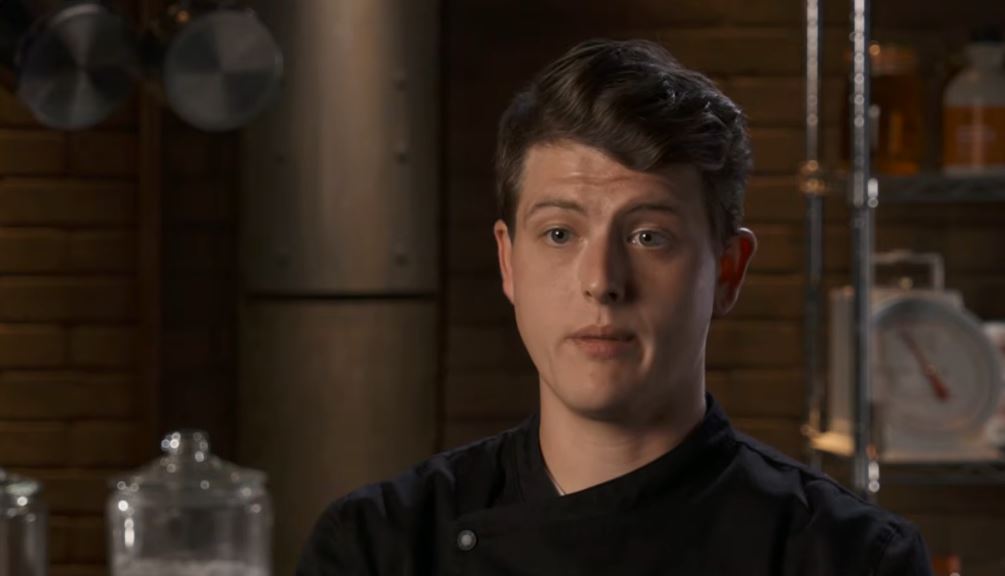
His cooking reflects his years at Thomas Keller’s Per Se and Restaurant Daniel in subtle but palatable ways. His skill at creating flavors stems from repetition in incredibly harsh kitchens, the kind where each dish is served after being examined by several people and still deemed unsatisfactory. A cook is marked differently by it. Sargent may be more intriguing than merely technically skilled because he carries that training without making it too obvious.
Earlier this month, his dinner series in Austin provided a preview of something quite different. Based on his Texas heritage, the nine-course menu at Midnight in the Garden featured tequila-cured hiramasa with ranch water aguachile and catfish hush puppies with green tomato chow chow. A less skilled chef might have overindulged in nostalgia and produced something sincere but uninteresting. Sargent didn’t. The dishes had the feel of a dialogue between his past and present, which is a very challenging tonal balance to achieve.
The obvious next step is to open Caroline, a restaurant in the Flatiron District. The 3,133-square-foot location at 16 West 18th Street is ambitious in format but not ostentatious, with a monthly tasting menu and a bar program running concurrently. He has expressed a desire for the experience to feel intimate and laid back rather than formal and aloof, which seems straightforward until you attempt to construct a fine dining kitchen that truly fulfills that promise. The specifics of the cuisine are still unknown, which may be intentional. He has time to figure it out in the spring of 2027 without making any announcements that he might later decide to change his mind.
It’s difficult to ignore the fact that chefs from Sargent’s generation are challenging the more traditional belief that high-end kitchens must also be intimidating. He seems a little weary of that model—the white tablecloth, the quiet reverence, the feeling that you are a guest allowed rather than welcomed. If it goes as planned, Caroline might be one of the more sincere attempts in recent New York dining to balance real hospitality with serious cooking. The only question that ever truly matters is whether the execution is in line with the intention. Early evidence points to the possibility.
