

The reputation of jasmine rice is not entirely justified. People will tell you that it always turns out too wet, sticks to the bottom of the pot, or becomes something in between paste and rice if you ask around. Usually, it’s a ratio issue rather than poor rice or a bad cook. The majority of recipes use the standard white rice recipe, which calls for 1½ cups of water to 1 cup of rice, for jasmine. That’s the error. Compared to most long-grain varieties, jasmine is softer and requires less water. One cup of jasmine rice to one and a half cups of water is the proper ratio. The difference of a quarter cup is not insignificant.
What You’ll Need
- 1 cup dry jasmine rice
- 1¼ cups cold water
- Pinch of kosher salt (optional)
- Half teaspoon of butter or neutral oil (optional, helps with fluffiness)
- A medium saucepan with a tight-fitting lid
How to Do It
If the rice came in a sealed bag from the store, you don’t have to rinse it. These days, packaged rice has already been cleaned and processed, and tests by skilled cooks show that rinsing doesn’t really change the texture at all. Still, if you do decide to rinse, cut the water by 2 tablespoons to account for the water that the grains soak up while they are being washed. Put the rice in the pot and add enough cold water to cover it. Gently stir the rice with your hand and let it drain through a fine-mesh strainer. Do this a few times until the water is mostly clear.
Put the rinsed and drained rice back into the saucepan. You can also use rice that hasn’t been rinsed if you want to skip this step. Add one and a half cups of cold water. If you want to, add salt and a small knob of butter. Don’t stir or cover it yet.
Cover the pot and set it over medium-high heat. Bring it to a quick simmer. It’s best for the whole surface to be moving, with water ripples, edges that bubble, and white foam forming around the edges. Based on the stove, this part takes three to four minutes. When it gets to that point, give the rice one gentle stir to make sure nothing is sticking to the bottom. Then, turn down the heat to its lowest setting and put the lid on top.
Don’t touch it. This is where most stovetop rice goes wrong: opening the lid to check, changing the heat several times, and stirring again. Getting rid of the trapped steam at this point will cause the cooking to be uneven, leaving the grains wet on the outside and underdone in the middle. Leave for 12 minutes after setting the timer.
Put an end to the heat when the timer goes off. Do not take the lid off. Cover the pot and leave it alone for 10 more minutes. This resting time is what makes good jasmine rice different from average jasmine rice. The residual steam finishes the job and lets the grains soak up any liquid that’s still in the pot. You can’t help but notice the difference between this step and the next one.
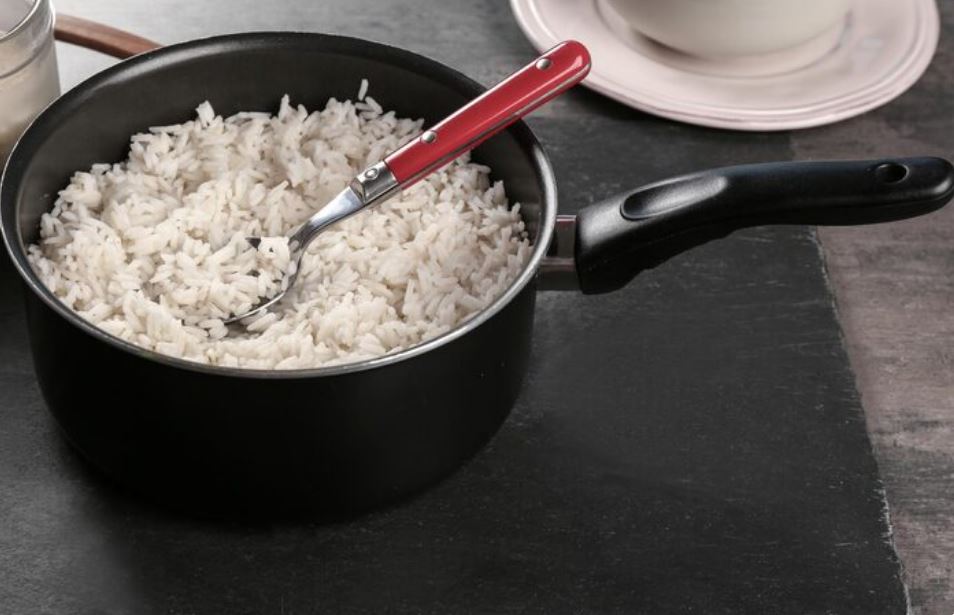
Take the lid off after 10 minutes and use a fork or a rubber spatula to slowly fluff the rice. The grains are softer than basmati and break more easily when handled with metal spoons. Each grain should be separate and just a little sticky, and the rice should be light and slightly fragrant. This is the perfect texture to go with Thai curries, stir-fries, or a simple bowl of braised vegetables.
If you put leftover rice in a container that doesn’t let air in, you can keep it in the fridge for up to five days. When heating something up in the microwave, adding a splash of water before covering it helps bring back some of the moisture that the cooking process took away.
