

Finding a Wonka chocolate bar at Morrisons between the Kit Kats and the Dairy Milk has a subtle surreal quality. Not because the chocolate is made up—it has never been totally made up—but rather because most adults over thirty have specific memories of Wonka, such as a golden ticket, a glass elevator, or a man in a velvet coat describing something that tasted like a three-course meal. When that name is applied to real chocolate, it seems like it is taken from a dream.
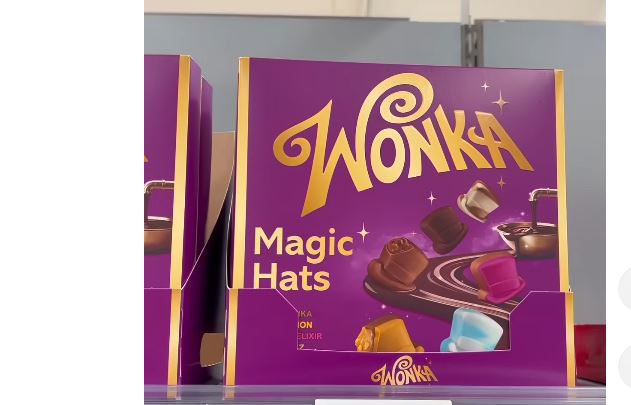
And yet, here it is. The Wonka brand has been relaunched in the UK by Ferrero, the Italian confectionery company that makes Nutella and Ferrero Rocher. Six new products will be available on Morrisons and Asda shelves starting on September 14, 2026. Magic Garden Ropes, Oompa Loompa Gummies, a purple milk chocolate bar with caramel filling called Purplypurple, hollow Oompa Loompa milk chocolate figurines, Magic Hats filled with flavors ranging from fizzy popping candy to praline and hazelnut, and a Wonka Kinder Joy Egg are all included in the line. Admittedly, there is a lot to process.
Most people are unaware of the brand’s longer history. In 1970, the Willy Wonka Candy Company debuted in the United States in time for the Gene Wilder movie. After taking over, Nestlé sold a variety of Wonka-branded candies in markets for many years, including the brief-lived Xploder popping candy bar in the UK in 1999. The chocolate line had mostly vanished from British shelves by 2014. The Wonka brand was acquired by Ferrero in 2018, and it has taken the company until now to revive it in this manner.
At least on paper, the new line feels different from a straightforward nostalgia cash grab because of where it was created. The products were created locally by Ferrero’s R&D and manufacturing team in Alfreton, Derbyshire. Over the past ten years, the company has invested over £35 million in that location; the new Wonka line was constructed there, not just packaged.
Finding a “Wonka Twist” involves taking well-known flavor concepts and approaching them from novel perspectives, according to Gary Youren, Head of R&D at Ferrero UK. For example, the appearance of hazelnut praline inside a novelty hat-shaped chocolate seems like it could only have come from a team that was obviously having fun.
Social media and food bloggers have responded favorably thus far, albeit with the particular kind of hedging that occurs when expectations are high. The Purplypurple Caramel Bar, which costs £3 at Morrisons and weighs 90g and comes in purple packaging wrapped in gold foil, garnered enough attention online to be discussed prior to its official launch date. People who tried it frequently noted that the caramel flavor is stronger than you might anticipate. Depending on how you feel about intense caramel, that could be a warning or a positive.
The way Ferrero has presented this launch is worth considering. Instead of relying solely on nostalgia, the company hired food historian Seren Charrington-Hollins to help consider the factors that contribute to Wonka’s enduring cultural appeal. Her argument that candy allows the past to change rather than preserve it is a helpful way to consider what’s going on here.
Many generations have been impacted by the original books and movies in entirely different ways. A child reading the 1964 Dahl novel and a child watching the 2005 Tim Burton adaptation starring Johnny Depp experienced different tones, and both experiences differed from the 2023 Timothée Chalamet origin story. Wonka is not a static entity. It’s an emotion that changes depending on who is holding it.
It’s another matter entirely whether the chocolate can support that weight. With plans to expand into Germany, Italy, France, and the US, the product line will launch on October 22 at Tesco and other major retailers. The Magic Hats might turn into a seasonal event that parents secretly anticipate just as much as their kids. As novelty frequently does in confections, it’s also possible that the novelty wears off quickly.
The fact that Ferrero invested real manufacturing resources and development time in this rather than just putting a recognizable logo on already-existing inventory seems more difficult to ignore. The true test will be whether or not that translates into something that customers genuinely return to buy a second time, and the answer is still a few weeks away.
