

A stranger is setting a picnic table with wildflowers, sipping Bloody Marys, and waiting for six strangers to knock on her door somewhere in East London tonight. They will pay about £12 apiece, eat salmon-based eggs Benedict, and depart with a sense of accomplishment. More than the cuisine, this emotion explains why underground supper clubs have proliferated throughout Europe like a persistent rumor.
The concept is outdated. For many years, Cuba has operated paladares out of family homes, and Latin America’s puertas cerradas, or closed-door restaurants, have a reputation for having higher standards than many licensed businesses. Europe’s desire for them has changed. These days, London is home to dozens of them, which are only publicized through Instagram and unofficial referrals. Four nights a week, hosts in Berlin serve from their apartments. These establishments were once referred to as “21st-century speakeasies with foie gras instead of bootleg brandy” by Caterer and Hotelkeeper magazine, and the description still accurately captures the secrecy and subtle silliness of it all.
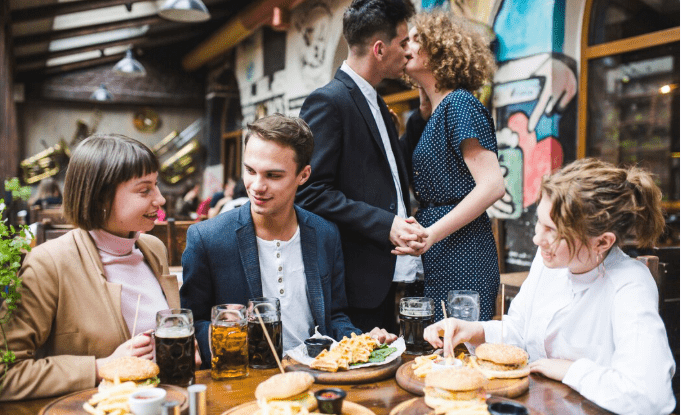
Economics is helpful. The first wave was driven by a recession, which filled home kitchens with unemployed chefs experimenting with recipes on forgiving audiences. Once, Nuno Mendes, who received his training at El Bulli, charged £115 for fifteen experimental courses in a rented room, such as lamb-belly confit with razor clams. The hosts at the other end work according to a straightforward formula: divide the cost of ingredients by three and divide the result by the number of heads. No one is becoming wealthy. The majority of hosts acknowledge that they hardly ever pay the shopping bill, which begs the obvious question of why they even bother.
Both the diners’ and the hosts’ loneliness appears to be the honest response. In the words of one London host, “seeing what someone keeps on their bookshelves builds a kind of trust that no restaurant can manufacture” in a hostile, anonymous city.
The sharper point is made by a Berlin host who goes by the moniker “the Shy Chef.” You could be seated two feet apart at a restaurant and never speak to each other. Whether you intended to or not, you become friends for the night at a supper club. The National Restaurant Association has observed a similar trend among younger diners, who increasingly view food as a means of overcoming loneliness rather than just a way to pass the time.
Naturally, there is a legal quirk. The majority of these businesses lack a license, and hosts frequently talk about local councils in the same way that teenagers talk about their parents. At one Lisbon dinner, it was said that if a policeman entered, they were to sing Happy Birthday in Portuguese. As the scene develops and platforms like Eatwith bring it closer to the mainstream, it’s difficult not to admire the cheek, even though one wonders how long authorities will turn a blind eye.
It’s still unclear if supper clubs are actually taking the place of restaurants or if they are just lending their patrons a few nights a week. Restaurants provide a hygiene rating, accountability, and consistency. Supper clubs provide the situationist thrill of dining in a stranger’s house along with someone else’s iPod and bookshelves. Apparently, that trade is worthwhile for an increasing number of diners in Europe. The restaurant business has fared worse. However, it has seldom encountered such endearing competition.
