
In 2026, a certain type of Instagram post has sadly become commonplace. An image of a dining room that is typically warmly lit and empty. One quiet line about growing expenses follows a caption thanking the staff and regulars. The comments are incredulous. People write that the place was constantly busy. Only a month ago, we were there.
The odd thing is that. This year, a large number of independent eateries that were closing were not clearly failing. Every room was occupied. The cuisine was decent, occasionally outstanding. What broke them occurred off the plate, in spreadsheets, utility bills, and lease renewals, where quality and effort are largely irrelevant.
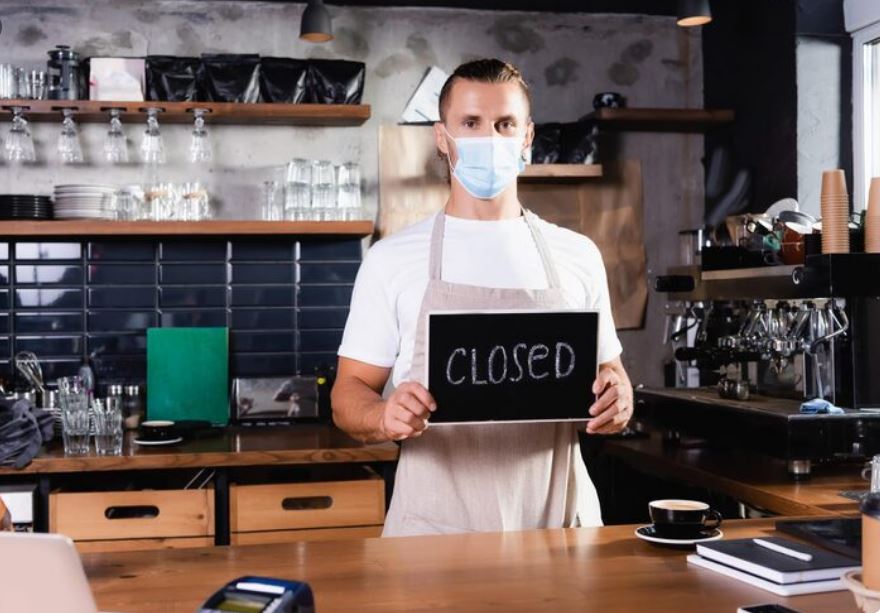
The trend’s numbers are straightforward. The number of independent restaurants in the US decreased by over two percent in 2025, and since then, the rate has accelerated. In the first quarter of 2026, three hospitality establishments in the UK closed daily, and since 2021, London has lost over twenty of its Michelin-starred restaurants. It’s difficult to deny that this is a tale of dishonest operators when even the decorated areas are folding.
Table of UK restaurant closures in 2026:
| # | Restaurant | Location | Type | Closure Date (2026) | Reason / Notes |
|---|---|---|---|---|---|
| 1 | Sambal Shiok | Holloway Road, London | Independent – Malaysian laksa bar | Spring | Structural cost pressures; owner Mandy Yin said “the numbers stopped working” after eight years |
| 2 | Morito | Hackney Road, London | Independent – Tapas | 14 June (last service) | Sustained hospitality challenges after a decade; Moro and original Morito remain open |
| 3 | Restaurant 104 | Notting Hill, London | Independent – Fine dining (Michelin-listed) | April | Business rates, VAT and rising costs; closed by chef-owner Richard Wilkins after seven years |
| 4 | Mriya | Chelsea, London | Independent – Ukrainian bistro | Early 2026 | Closed after three years; run and staffed by refugees |
| 5 | Silver Birch | Chiswick, London | Independent – Modern British | Spring | Closed despite winning AA London Restaurant of the Year 2024 |
| 6 | Flat Earth Pizza | Bethnal Green, London | Independent – Vegetarian pizza | Mid-April | Closed after six years; sustainability-focused pizzeria |
| 7 | Sophie’s | Chelsea, London | Independent – Steakhouse | Early 2026 | Original site closed after almost 25 years |
| 8 | Club Mexicana | Kingly Court, London | Independent – Vegan Mexican | First half of 2026 | Closed after six years; food still at Boxhall City and Mercato Mayfair |
| 9 | Bad Manners | Shoreditch, London | Independent – Burrito takeout | First half of 2026 | Airstream kitchen closed; team plans pop-ups and events |
| 10 | Big Night | Hackney, London | Independent – Izakaya-style bar | First half of 2026 | Closed its Hackney doors |
| 11 | Little Social | Pollen Street, London | Independent – Bistro (Jason Atherton) | Spring | Closed; site revived in June as Chez Rose |
| 12 | Hacha | Dalston, London | Independent – Agave bar | 25 April | Closed exactly seven years after opening; moving to festivals and residencies |
| 13 | Dom’s Subs | City of London | Independent – Sandwich shop | First half of 2026 | City site closed; now trading from Rasputin’s bar, Mare Street |
| 14 | Sartoria Launceston Place | Kensington, London | Group – Italian | Early 2026 | Shut after just six months; first of a planned rollout |
| 15 | Dirty Bones | Carnaby, London | Small chain – American | Early 2026 | One London site (Soho) remains |
| 16 | Nest | Hackney, London | Independent – Tasting menu | First half of 2026 | Closed to rebrand as British bistro Tavern |
| 17 | Spaghetti House | 5 sites: Marble Arch, Cranbourn St, Oxford St, Carnaby St, Kensington High St | Chain – Italian (70 years old) | Early 2026 | Administration; rising operational, tax, employment and energy costs |
| 18 | TGI Fridays (16 sites) | Nationwide, UK | Chain – American casual dining | 13 January | Administration; 456 jobs lost; 33 sites saved in Sugarloaf pre-pack deal |
| 19 | Franco Manca (9 sites) | Battersea, Brixton, Bromley, Broadway Market, Chiswick, Kilburn, New Oxford St, Stoke Newington, Tottenham Court Rd | Chain – Sourdough pizza | April | Cuts by parent The Fulham Shore amid industry-wide pressures |
| 20 | Revolution / Revolución de Cuba / Peach Pubs (21 venues) | Nationwide, UK | Chain – Bars and pubs | 2026 | The Revel Collective administration; 41 sites and 1,500+ jobs saved |
| 21 | Lilac | Lyme Regis, Dorset | Independent – Sustainable/foraged dining | 2026 | Staff cost pressures; closed by Great British Menu chef Harriet Mansell |
| 22 | PizzAyo | St Albans, Hertfordshire | Independent – Artisan pizza | Early 2026 | Closed after eight months; owners refused to compromise quality amid rising costs |
Instead of competing, the causes compound. Since the pandemic, food prices have increased by about 35 to 38 percent, and labor costs have increased by nearly the same amount. This year, a revaluation of business rates was implemented in Britain, taxing premises on what they are thought to be able to earn rather than what they actually earn.
This distinction feels almost unfair when trade is weak. The math breaks down when you include increased national insurance contributions, increases in the minimum wage, and another increase in alcohol duty in February. A Miami chef recounted seeing a box of eggs go from twenty dollars to more than one hundred dollars. After 45 years, he closed.
In the words of restaurant manager Tom Kerridge, who has been in the business for twenty years, there are five distinct pressures that each reduce the margin by a few points until nothing is left. In the US, a full-service restaurant’s median profit decreased from four percent before the pandemic to 2.8 percent in 2024. It’s not a cushion. That is a rounding error that is just waiting for a bad month.
The fact that people are still eating out is what makes this situation peculiar. This year, industry sales are expected to reach all-time highs. The conditions beneath the demand have become brittle, but the demand itself still exists. The most vulnerable eateries aren’t the overtly struggling ones or the upscale establishments with unrestricted pricing. It’s the cautious middle ground—the neighborhood restaurant with reasonable rates and a succinct, straightforward menu, the side project that was never meant to be an empire.
What, then, is truly helpful? More than you might imagine, and most of it comes at no additional cost to diners. By placing an order directly from a restaurant’s website rather than using a delivery app, you can avoid paying commission fees, which are typically between 20 and 30 percent. When the bills are due today, rather than next quarter, gift cards give the owner access to cash.
For a small operator, dining out on a Tuesday or Wednesday, when rooms are only partially occupied, is more beneficial than joining the Saturday line. Additionally, governments should take action regarding VAT, which is currently at twenty percent in the UK but averages about ten percent for restaurants throughout Europe. This argument has been made time and again by both trade associations and chefs.
This isn’t glamorous advice. There isn’t a single antagonist to vanquish, only a gradual build-up of expenses that habits and policy could mitigate. As this develops, it’s difficult to avoid feeling that the closures that have been announced thus far are more of a warning than a conclusion. Restaurants with fewer covers, tighter menus, and more intelligent drink lists will probably be the ones that make it through 2026. Where we eat between now and then will, at least in part, determine whether the people we love survive that long.
