
For decades, Jamie Oliver has worked to persuade people that preparing delicious food doesn’t have to be difficult. He has written about quick meals, inexpensive meals, Italian meals, Mediterranean meals, and now, at fifty, he is back with something more intimate. His 2025 cookbook, Eat Yourself Healthy, debuted in September along with a Channel 4 series of the same name. In typical Oliver fashion, the response has been a mix of quiet skepticism and warm enthusiasm.
Instead of an apology, the book begins with an argument. Oliver is not implying that all of his earlier works were garbage. Still, it is reasonable to question, as at least one reader expressed in public, what the earlier cookbooks had been advocating if not healthy eating. In essence, his response is that the lens is different this time. The emphasis is on wellbeing—how food makes you feel, not just how it tastes—rather than speed, cost, or location. Depending on who you ask, that could be a clever reframe or a significant distinction.
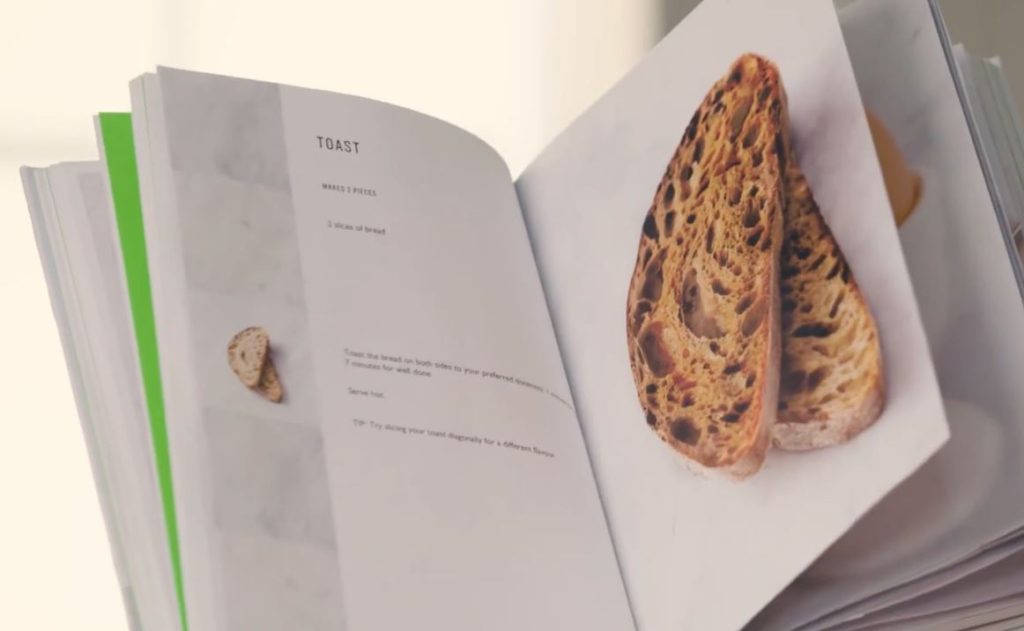
The contents of the book are more fascinating than the packaging may indicate. The 120 recipes are arranged by time rather than meal type, with the quickest options appearing first. This is a useful feature that you notice right away. Breakfast options include egg-and-bean filo twists and overnight oats in four different ways. There are twenty-seven options for lunch, nine of which can be prepared in ten minutes or less, including a chickpea arrabbiata that requires only one pan. There are healthier sweet treats, weekend meals, and a drinks section that probably caught some people off guard because they were only expecting green smoothies.
The 7-a-day philosophy is the more peculiar component. Oliver is subtly pushing the 5-a-day message—fruit and vegetable portions as a daily health goal—upward, citing new nutritional theories. The majority of people in Britain have grown up with this message. Readers who are already interested in food science may find this interesting, while those who found five difficult enough may find it less appealing. In any case, the book has a structural integrity that some celebrity cookbooks lack because it develops the recipes around that goal rather than merely mentioning it.
Fifty health hacks—brief advice on eating, sleeping, shopping, and daily routines—accompany the recipes. In books like this, these are the parts that typically age unevenly. Some feel truly helpful. Others run the risk of sounding like wellness articles authored by a high-end juicer owner. Offering three meals a day for fourteen days, the two-week kickstarter meal plan is more sensible and effective because it eliminates decision fatigue.
It is important to note that reviews of the book have been conflicting. For a cookbook with this much publicity, the Goodreads rating of 3.7 is a little disappointing. Some readers have noted that the recipes call for ingredients that are not commonly found in a typical American or British pantry, and that the portions appear to be calculated for someone who has better meal-planning instincts than the majority of us. After miscalculating the amounts, one writer who tried the Herby Chickpea and Feta Salad claimed to have eaten it for three days in a row. But the Creamy Peanut Chicken received sincere compliments.
Oliver appears to be aware of the difficulty. The reason healthy eating cookbooks fail is not that the food is bad, but rather because there is a huge disconnect between aspiration and Tuesday night. The time-ordered chapters, the quick recipes, and the two-week plan are all attempts to bridge that gap rather than ignore it. The reader’s starting point determines whether or not they are successful.
After reading Eat Yourself Healthy, one is left with the impression that Oliver is attempting to do something more sincere than his previous work—less performance, more persuasion. That is reaffirmed in the TV show. On screen, he appears quieter and more thoughtful. It might just be that, at this point in his career, he feels more pressure to persuade people to cook well than to amuse them. Even though it seems insignificant, that change gives the book a sense of importance. No cookbook, no matter how good, can completely address whether it alters anyone’s long-term eating habits.
FAQs
Q1: When was Eat Yourself Healthy published?
It was published on September 11, 2025, alongside a Channel 4 TV series.
Q2: How many recipes does the cookbook contain?
The book includes 120 recipes, ordered by preparation time for convenience.
Q3: What makes this cookbook different from Oliver’s previous work?
The focus is specifically on long-term wellbeing, not just speed or budget.
Q4: What is the 7-a-day concept Oliver promotes?
It pushes daily fruit and vegetable intake beyond the traditional 5-a-day target.
Q5: Does the book include a meal plan?
Yes — a two-week kickstarter plan offers three meals daily for fourteen days.
