

There’s a time in November when you’re at a market stall, looking at a heap of deep-purple beet or knobbly celeriac, and you wonder, “What exactly do I do with this?” For the better part of three decades, Nigel Slater has been responding to that question with a quiet confidence that most food writers only feign.
Slater has never claimed to be a strictly vegetarian chef. However, his relationship with vegetables changed from supportive to central at some point. It is clear from reading his winter recipes from the past few years—such as the miso-glazed onions, the baked squash with haricot beans, and the roasted cauliflower with tahini—that meat is no longer the focal point of his cooking.
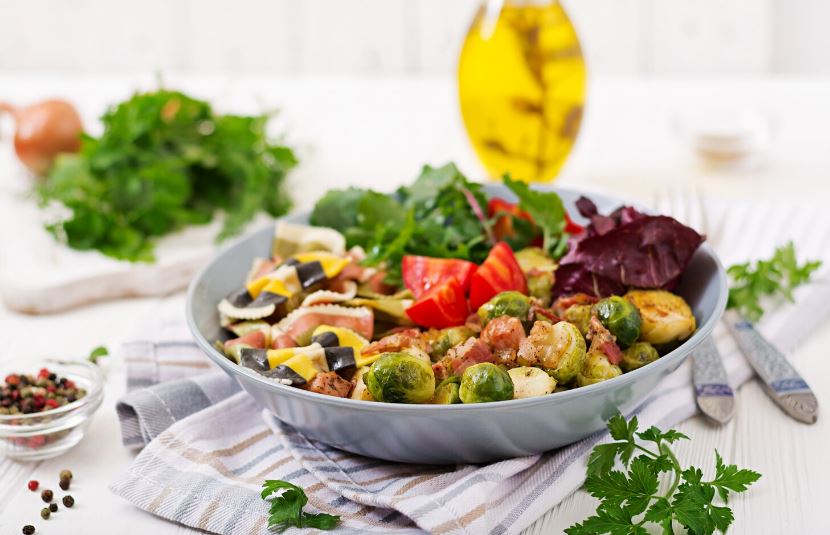
Probably the best illustration of how his vegetarian cooking works is his cauliflower, chickpea, and tahini dish. On paper, the reasoning is fairly straightforward: steam the cauliflower to keep it soft, then roast it thoroughly to add color. Blend tahini, olive oil, lemon juice, and canned chickpeas to create a creamy, slightly tart mixture. Add parsley and mint to finish. However, the outcome is something that feels truly fulfilling rather than a meal that is lacking something. This distinction is more important than most people realize.
It’s possible that what separates Slater from the broader vegetarian cooking conversation is texture. The notion that plant-based foods should resemble meat is not the foundation of his recipes. When a mushroom steak is dressed up as a sirloin, it always makes me feel a little defensive. That kind of argument never seems to pique Slater’s interest. He marinates and grills his aubergines because, well, marinated and grilled aubergines are delicious. No apology is included.
The Guardian’s winter recipe series has consistently garnered attention, in part because the timing seems ideal. People are considering cutting back on their meat intake more seriously; this isn’t necessarily due to ideology, but rather to cost, practicality, and growing disinterest in the same roast chicken routine. Offering a bowl of coconut noodles or a crisp pancake with root vegetables that tastes incredibly comforting without making anyone feel like they’ve compromised, Slater meets them exactly where they are.
Observing his work over time, it’s fascinating to see how easily the seasonal logic keeps everything cohesive. What appears appealing at the market is the first step in the shopping process. That leads to the recipe. This may seem apparent, but in reality, it’s less common than most food writers acknowledge. Too many recipes begin with an idea and work their way down. Slater’s recipes seem to have originated on a Tuesday in someone’s kitchen when the turnips looked especially delicious.
The vegetarian dishes in The Guardian’s collection include baked golden pumpkin slices with a winter tomato and bean sauce, roasted spring vegetables, and spring rolls made with asparagus and feta. His Lokanta stew appears on BBC Food alongside works by Yotam Ottolenghi and Mary Berry, which gives you an idea of his place in the larger British culinary scene. He is a part of that group without ever appearing to be in competition with it.
His writing about vegetables makes it difficult to ignore the fact that his true talent is persuasion rather than recipes. He doesn’t give lectures. He does not present vegetarianism as a virtue or a sacrifice. He writes about pumpkin and ricotta tart with a genuine pleasure, a hint of specificity, and no performance, much like someone might describe discovering an old favorite record. That is not as common as it ought to be.
It’s still unclear if this strategy will permanently discourage more home cooks from using meat. One delicious cauliflower dish won’t change a lifetime of Sunday roasts, and eating habits change gradually. However, it seems like Slater has already subtly made the case when you read his recipes for slow-baked beans, chickpea sauces, and winter squash. The meal consists of vegetables. His kitchen has been like that for years. We’re all catching up.
FAQs
1. Is Nigel Slater a vegetarian cook?
He’s not strictly vegetarian, but vegetables have become central to his cooking.
2. What makes Nigel Slater’s vegetarian recipes different from others?
He focuses on texture and seasonality rather than making vegetables imitate meat.
3. Which is his most well-known vegetarian dish?
His roasted cauliflower with chickpeas and tahini is widely praised and recognized.
4. Where can I find Nigel Slater’s vegetarian recipes?
They appear regularly on The Guardian, BBC Food, and his own website.
5. Why are his vegetarian recipes appealing to non-vegetarians?
They feel genuinely satisfying, never like a meal missing something important.
