

When you take a Battenberg cake out of the oven, cut it open with a little ceremony, and find that the crumb is dry enough to make you question everything you thought you knew about baking, it’s a little scary. More people say it happens to them than say it does. The marzipan package looked great. The cross-section of the checkerboard stayed the same. But sometime between planning to dry the building and actually doing so, the water stopped entering.
Based on how most home bakers really work, the truth is that flour is almost always the cause of dry Battenberg cakes. It wasn’t a major failure of technique or a broken oven; it was just flour that was measured with too much confidence and not enough accuracy.
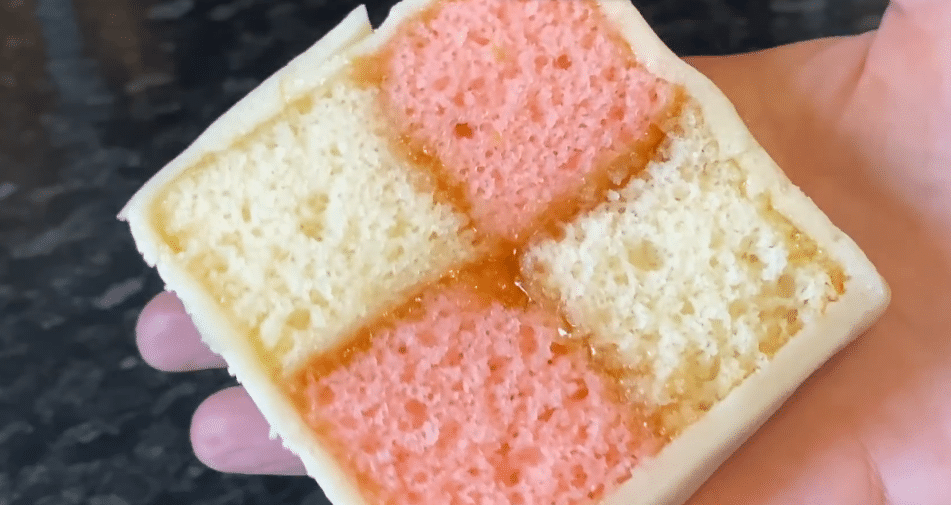
If you put the flour from the measuring cup straight into the bag without packing it down, you could use 15 to 25 percent more than the recipe calls for. If it were just any chocolate cake, you might not feel it as strongly. The whole point of an almond sponge cake wrapped in marzipan is to have a light, slightly moist crumb. The extra flour makes everything chalky and dense, which is not what the cake needs.
A lot of people who bake Battenberg for the first time might not fully understand how precise the flour measurement needs to be. This cake won’t let you off the hook. Compared to, say, a Victoria sandwich, the almond sponge inside doesn’t have as much fat, so there isn’t any extra butter hiding small mistakes in the measurements. Almost always, what goes in comes out.
You should also think about the oven. Battenberg is baked in a divided tin, which has a foil divider running down the middle. This means that two different sections of batter are cooking at the same time, with each section being a little smaller than what most ovens are set up for.
Smaller pieces lose water more quickly. If you set the oven to the right temperature for a full-size sponge, you might accidentally overbake a smaller Battenberg section in the last few minutes, drying it out before you can save it. Five or ten minutes more can make the difference between a soft crumb and something that tastes a little like sawdust that has been slightly sweetened.
Another silent killer that doesn’t get enough attention is overmixing. It seems like the batter needs to be beaten really well to mix in the almonds and make everything smooth. But if you work the batter too much, gluten forms in ways that the recipe didn’t mean. The cake that comes out of this is firmer and drier than it should be, and the crumb is tighter and doesn’t give easily. Don’t be rough when you fold it.
This is another place where substitutions go wrong. Sometimes the recipe calls for self-rising flour, sometimes plain flour with baking powder added, and sometimes ground almonds are used instead of some flour to add moisture and richness. When you use all-purpose flour instead of something else called for in the recipe, the texture changes in ways that are most noticeable in the crumb. Still not sure why so many published Battenberg recipes don’t make this clear, but there is enough of a difference for mistakes to happen.
Professional bakers use a fix that is easier than most people think. Before putting the layers back together, lightly brush them with simple syrup, which is made by boiling and cooling equal parts of sugar and water. This will add back the moisture that baking took away. After the first layer, the marzipan layer seals everything in, so the softness you restored before wrapping seems to stay. If you brush syrup on a well-made Battenberg, it stays soft for days.
It’s hard not to notice how much the final texture of a Battenberg is set in the first few minutes of preparation, not the last. This includes measuring, mixing, and making small decisions that don’t seem important at the time. Instead of measuring the flour by volume, weigh it instead. Resist the urge to mix past the point of combination. Take the cake out of the oven before it looks fully done on top instead of after. These interventions aren’t very big. The corrections are very small and hard to see, but they make a huge difference.
The Battenberg has been a part of British baking since the 1800s. It has been made in home kitchens for generations and has been changed a lot, including some questionable replacements. It should be soft, have a light almond scent, and have a crumb that breaks apart easily when sliced when it comes out of the oven. That result is completely possible. It just needs a little more attention than most people think something that seems so simple at first glance should need.
FAQs
1. What is the most common reason a Battenberg cake turns out dry?
Too much flour, usually from packing the measuring cup, is the primary culprit.
2. How does oven temperature affect Battenberg cake moisture?
Smaller batter portions overbake faster, pulling out moisture before you notice.
3. Can overmixing make a Battenberg cake dry?
Yes — overworked batter develops excess gluten, producing a firmer, drier crumb.
4. Is there a quick fix for a Battenberg cake that came out dry?
Brush sponge layers with simple syrup before wrapping in marzipan.
5. Does substituting flour affect how moist the Battenberg cake turns out?
Wrong flour disrupts moisture balance; always use exactly what the recipe specifies.
