

There’s a certain kind of quiet anger that settles over a kitchen when a steamed pudding doesn’t turn out right. You did what was asked of you. You put the ingredients together with some care. Even so, the spotted dick in front of you is dense, heavy, and kind of gummy. It’s more like a doorstop than a dessert. That’s the kind of result that makes a cook really wonder if they’ve been missing something obvious the whole time.
Most of the time, the answer is yes. And most of the time, it comes down to a few mistakes that hurt you all the way through.
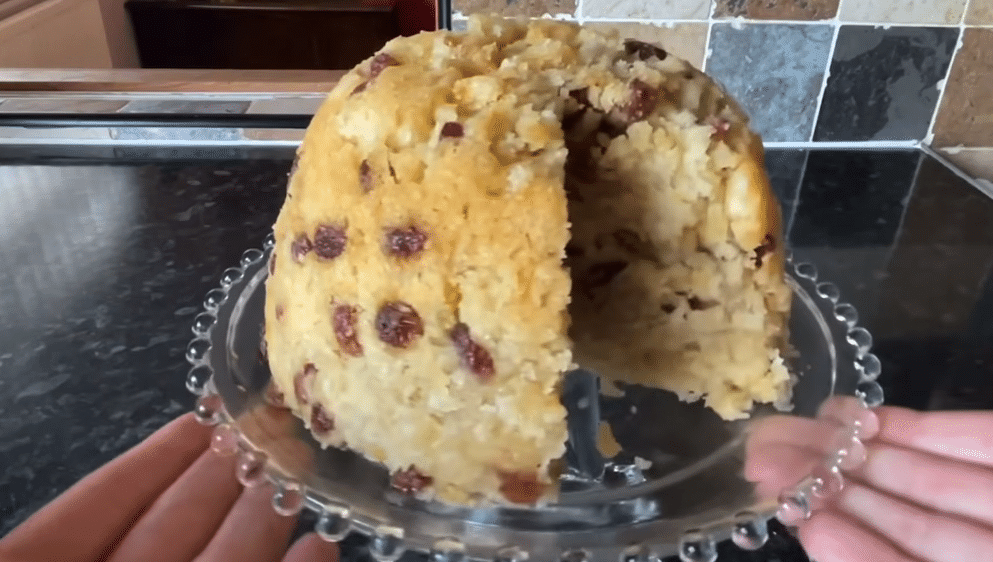
Most of the trouble starts in the suet. It’s not something that most people use every day; it’s the hard fat from the kidneys and loins of beef or mutton, and it doesn’t work at all like butter. The fat in good, fresh suet spreads out in the batter in a way that keeps the pudding soft and fluffy when it’s done. But if you use old, too coarsely shredded, or just plain bad suet, the whole thing changes.
The texture gets heavier than it should be, and the crumb rolls up instead of staying open and soft. To make things easier, some cooks use something other than butter. That isn’t exactly wrong, but the end result will be creamier and softer than usual, not light like usual. If the balance is off, it will also be dense.
Most of the time, overmixing is to blame. It’s one of those things that doesn’t seem harmful until you know what it’s doing. When you work the batter too hard, the gluten in the flour comes out. Everything gets tighter because of that gluten network.
What’s meant to rise slowly and become light and airy gets stuck in its own structure and bakes or steams into something tough. The right way to do it is to lightly fold the ingredients together and stop as soon as they’re mixed. To make the batter, it should be a little rough. That’s okay. Yes, that’s right.
The consistency of the batter is also important. If the pudding is too dry, it will break apart and dry out while it’s steaming. If it gets too wet, it becomes heavy and dense and can’t hold the structure that makes it light in the first place. To get this right, you need to use your gut. The batter should be thick but just barely flexible, so it drops reluctantly from a spoon instead of pouring easily.
Things can go wrong when you steam the food, even if the batter is perfect. The water below the pudding shouldn’t be boiling, but it should be slowly rising. Too much heat and movement at a rolling boil cooks the outside before the inside has a chance to set. The texture isn’t even; it’s firm around the edges and dense in the middle.
The pudding will cook through evenly if you keep the heat at a steady, low level for the whole time. It also doesn’t help to lift the lid too often. The cooking area changes every time steam escapes. Leave it alone and trust the timing.
Soaking the dried fruit before adding it to the batter is a tip that you can take from cooks who are more patient. If you put in dry currants and raisins, they will pull water from the batter as it cooks, making it dry and stodgy, which is what you want to avoid. They will be already plump when they go into the batter if you soak them in warm tea or even a small amount of brandy for twenty minutes first. You can tell the difference in the finished pudding.
When steamed puddings are done right, the slow cooking, the wrapped basin sitting above the gently simmering water, and the need to be patient can almost be calming. Spotted dick is really worth the work when it turns out right. It’s soft, slightly sweet, and slightly citrusy from the lemon zest. A big pour of hot custard makes it even better. When it doesn’t work, the recipe is rarely to blame. Most of the time, it’s the method, the fat, or the mixing. If you fix those three things, the stodginess will usually go away for good.
FAQs
1. What causes a spotted dick to turn out stodgy?
Old or coarsely shredded suet is usually the first thing to blame.
2. Can overmixing really ruin the texture?
Yes — overdeveloped gluten tightens the batter, producing a tough, heavy result.
3. How should I steam it correctly?
Keep the water at a gentle simmer, never a hard boil.
4. Should I soak the dried fruit beforehand?
Yes — plump fruit won’t pull moisture from the batter during cooking.
5. What consistency should the batter be?
Thick but just pliable — it should drop reluctantly from a spoon.
