

Marie Rose sauce has a subtle stubbornness to it. Fondue sets, avocado on everything, and the brief and confusing era of deconstructed everything are just a few of the trends that have come and gone, but this pale pink, mayonnaise-based sauce continues to appear on British tables, Christmas starters, dinner parties, and seaside cafés, served with a bowl of cold prawns and a wedge of lemon. It hasn’t attempted self-reinvention. It is not required to.
It’s an almost embarrassingly easy recipe. The base is made of mayonnaise, which should be of high quality and have a distinct flavor. Stirring in a tablespoon of tomato ketchup gives the sauce its distinctive blush color and subtle sweetness. Next, add a little Worcestershire sauce, a squeeze of lemon juice, a pinch of cayenne, and a few drops of Tabasco for added heat. Although it sounds a little ostentatious, some cooks add a dash of dry sherry or brandy to enhance the depth of flavor. It has survived in part because the entire process takes about five minutes.
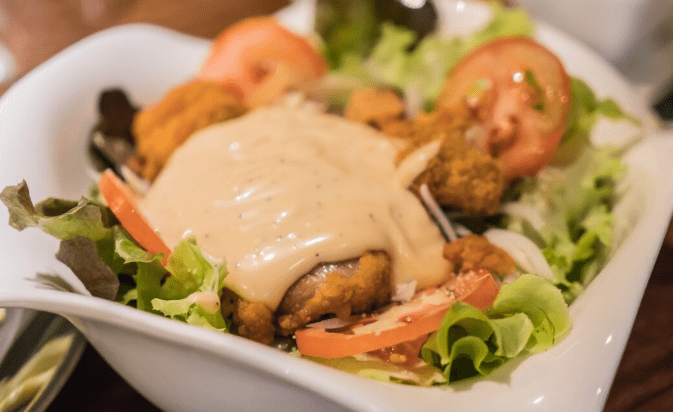
Interestingly, it’s not the same as what Americans refer to as cocktail sauce. The North American version has a stronger, darker, and more assertive flavor due to its heavy reliance on ketchup and horseradish. Marie Rose resembles Thousand Island dressing in character and is softer and creamier. It doesn’t make an announcement. It silently keeps everything together. The mayonnaise base cushions rather than overpowers delicate cold prawns, which is why it goes so well with them instead of overpowering them.
It’s difficult to ignore how frequently home cooks use the jar. Every supermarket has store-bought varieties, some of which are fine, but they usually have a processed sweetness that homemade versions don’t. The jar begins to feel like a shortcut you no longer want to take once you’ve made it from scratch, no matter how quickly or imperfectly. Home cook Marie Freeman, who has prepared this recipe numerous times, put it simply: she would never return to store-bought. The consensus is usually that.
It may not seem important, but the lemon juice is crucial. Fresh, or nearly so, cannot be compromised. It transforms the whole thing from heavy to bright by cutting through the richness of the mayonnaise in a way that bottled juice just cannot match. Just before serving, the cayenne is sprinkled on top, giving the pale pink sauce a visual warmth that enhances both its flavor and appearance.
Perhaps Marie Rose’s adaptability is what makes it last. Naturally, it works with prawns, but it can also be used with salmon, in a prawn sandwich, with fries, or even inside a burger. Its context doesn’t make it valuable. While more complex sauces have subtly vanished, this adaptability may be precisely what has kept it relevant over decades of shifting culinary culture. Although Britain doesn’t always publicly embrace simplicity, in this instance it appears to have clung to it instinctively—mixing five ingredients in a bowl and calling it exactly what it is.
