

Every September, garden mint reaches its peak at a specific time, somewhere between the last warm afternoon and the first truly cold night. You can sense the season changing even though the leaves are still vibrant and strongly scented. The majority of people take no action. In November, they purchase a jar from the grocery store, let the mint die back, and forget what the real thing tastes like. That seems like a waste, especially when you can make a concentrated, long-lasting mint sauce in less than 30 minutes that will still be appreciated in February.
The method is outdated. Not Instagram-old, but authentically old—the kind of recipe found in 1930s farmhouse cookbooks from Northumberland, handed down by grandmothers who stocked pantry shelves full of pickles and preserves that were useful throughout the winter. The basic idea is fairly straightforward: make a concentrated paste of chopped mint, vinegar, and sugar, seal it in a sterile jar, and thin it out with extra vinegar each time you serve it, rather than making fresh mint sauce every time and watching it brown within three days.
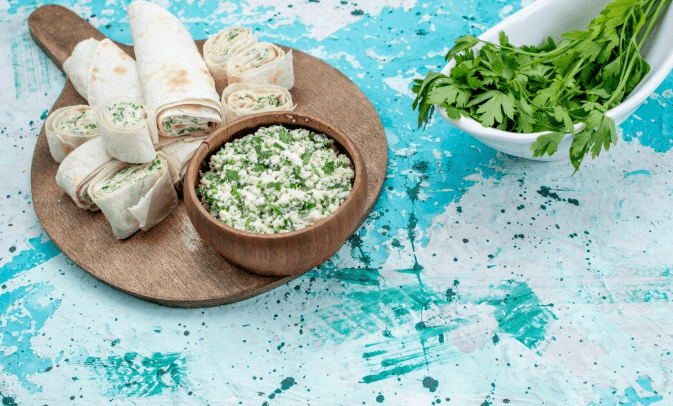
About 50g of fresh mint tips to 100ml of vinegar (white wine vinegar if you want something cleaner, malt if you prefer the sharper, more traditional edge) and roughly 75g of sugar is the ratio that usually works well. In order to dissolve the sugar before the liquid becomes too hot, the vinegar and sugar are first combined in a pan and slowly brought to a boil. If you’re making a larger batch, you can pulse the mint leaves in a food processor with a dash of the warm vinegar, or you can finely chop them by hand and stir them in. Everything is placed directly into a warm, sterile jar and sealed right away.
The result is thick. It’s almost like paste. The point is that it doesn’t look like the thin green sauce you would pour from a bottle. You take a heaped teaspoon of the concentrate and loosen it with a little vinegar when you’re ready to use it, whether it’s drizzled over steamed new potatoes, stirred through mushy peas, or spooned over roast lamb in January. No need for additional sugar. The mint flavor somehow retains its true brightness months after the garden has gone dormant, and the sweetness is already ingrained.
It’s important to note that this works better on the tender tips of the new shoots than on the tough older leaves. The flavor compounds that truly endure the vinegar and the months in a jar are what give preserved mint sauce its durability; the more recent growth contains more essential oil. The fact that the plant’s most delicate-looking portion is the one that lasts the longest when bottled seems almost counterintuitive.
Depending on who you ask, this may or may not be considered a lost art or simply a forgotten habit. Ferments, chutneys, pickles, and other home preservation techniques have become popular again in recent years, but mint sauce concentrate is still strangely specialized and mostly the domain of those who learned it from an older person. That seems like a gap worth filling, especially if you’re the type of cook who gets upset about discarding a herb that grew profusely throughout the summer because the season is over.
