
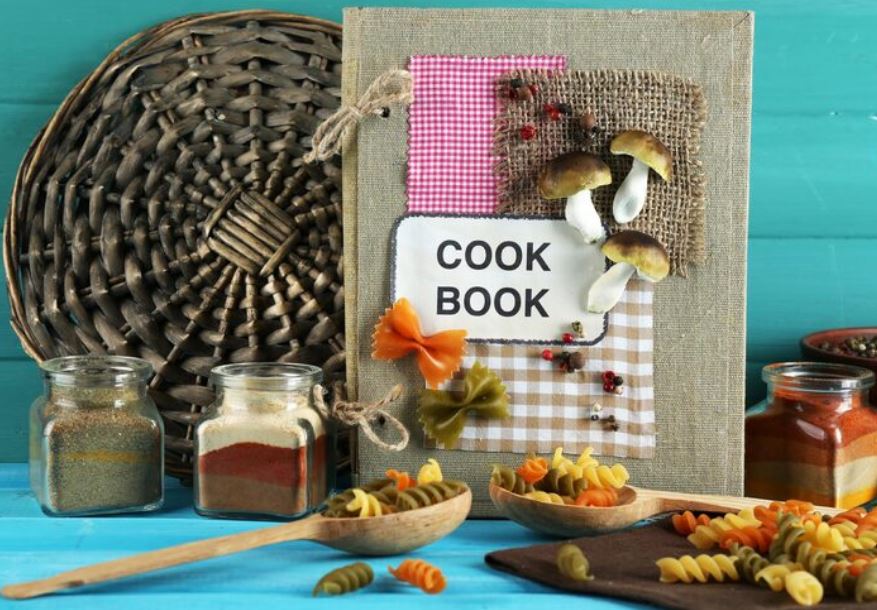
A cookbook with a cracked spine and a few lightly stained pages is typically found propped open on the counter in any well-used British kitchen. Seldom is it the most ostentatious one available. It’s usually Delia. It’s Jamie sometimes. And more and more, it’s an unknown person who managed to sell 250,000 copies by January.
The cookbook market in the UK has always been an odd, devoted, and sometimes sentimental place. Here, some names have significance that they just don’t elsewhere. Mary Berry is a national icon, not just a baker. Even though Delia Smith’s Complete Cookery Course has been referred to as a bible so frequently that the term has nearly lost its meaning, new readers continue to find it to be genuinely helpful rather than nostalgic. That has a certain honesty to it.
It’s easy to understand why Mary Berry’s most recent book, Mary 90, is currently at the top of the Sunday Times bestseller list. The pitch, “90 recipes from a ninety-year career,” is successful. Such a book is not purchased for novelty. A recipe tested by someone who has spent decades in front of an Aga carries a certain quiet authority that no algorithm can match, so you buy it because you have complete faith in the author.
| # | Book Title | Author | Best For | Format Available |
|---|---|---|---|---|
| 1 | Mary 90 | Mary Berry | New releases & classic British baking | Hardcover, Kindle |
| 2 | Cardiff Mum’s 5 Meals For £25 | Ashleigh Mogford | Budget-friendly family meals | Hardcover, Kindle |
| 3 | Delia’s Complete How to Cook | Delia Smith | Beginners & everyday British cooking | Hardcover |
| 4 | 5 Ingredients: Quick & Easy Food | Jamie Oliver | Midweek meals with minimal shopping | Hardcover, Kindle |
| 5 | Ottolenghi Simple | Yotam Ottolenghi | Bold flavours & creative home cooking | Hardcover, Kindle |
| 6 | Dishoom | Shamil Thakrar | Indian restaurant-style cooking at home | Hardcover |
| 7 | Ottolenghi Comfort | Yotam Ottolenghi | Comfort food with a global twist | Hardcover, Kindle |
| 8 | So Good Express | Emily English | Quick, nutrition-focused everyday meals | Hardcover |
| 9 | Persiana | Sabrina Ghayour | Middle Eastern flavours & easy entertaining | Hardcover, Kindle |
| 10 | The Hairy Dieters | Hairy Bikers | Healthy eating without losing flavour | Paperback, Kindle |
Conversely, one of the more surprising chart-toppers in recent months has been Ashleigh Mogford’s Cardiff Mum’s 5 Meals For £25. The appeal is straightforward and unpretentious in a cost-of-living environment where families are actually counting pennies at the register. Meals with lots of flavor on a limited budget is a promise that appeals to people. The book may say as much about Britain’s current economic situation as it does about culinary fads.
Jamie Oliver doesn’t change. His Five Components: Only when a book truly fulfills its promise does Quick & Easy Food have the kind of enduring appeal. When you’re in the kitchen on a Tuesday night with little time and even less patience, five ingredients may seem like a gimmick, but all of a sudden the formula feels relieving. In a market that could easily grow weary of him, he has remained relevant thanks to his more recent BBQ title and the Mediterranean spin-off.
Yotam Ottolenghi belongs to a distinct category. His most recent Ottolenghi Comfort book carries on the tradition of Ottolenghi Simple being one of the best-selling cookbooks in British history. These books feel less like instruction manuals and more like invitations to a certain type of home cook who is curious and willing to spend a Saturday afternoon finding harissa and preserved lemons. The recipes are frequently ambitious, but the photography is amazing. Not every recipe will be used by everyone. The majority of people repeatedly use three or four. It appears to be sufficient.
Since the Dishoom cookbook has developed into something of a cult favorite, it merits special attention. The book captures some of the ambience that helped the restaurant chain gain popularity in addition to its cuisine. It takes time to prepare on a weeknight. It’s a project, a weekend activity with a bottle of something open and some great music. It’s questionable whether the recipes accurately replicate what you eat at the restaurant. However, the effort is worthwhile.
Additionally, the way British readers approach the genre has quietly changed. A generation that views food through a nutritional lens—protein content, unprocessed ingredients, macros—in a way that would have felt clinical ten years ago is reflected in books like Emily English’s So Good Express and Joe Wicks’ Protein in 15. Whether this is a one-time event or a long-term cultural shift is still up for debate. The books are selling in any case.
When you look at everything, you are struck by how individualized cookbook purchases are still. Most people don’t have one. They use two of their twelve. The battered Jamie is on the counter, and the ambitious Ottolenghi is on the coffee table. They keep the Delia because it taught them how to cook. Feeding a family on £25 a week isn’t a compromise, so maybe they have the Cardiff Mum book tucked next to it now. For many, this is simply the way that cooking is done in Britain these days.
