

The atmosphere changed sometime between the third hot honey pizza and the fourth eatery that required everyone to place their orders using a QR code. The diners grew weary. Not of dining out—restaurants are still packed, and reservations are still competitive—but of being served trends rather than dinner. As 2026 approaches, it is impossible to ignore the backlash, which is coming from the same people who have been supporting these fads for the past ten years.
Grab some hot honey. The term “swicy” was created along the way, and it deserves its own quiet burial. The chilli-sweet drizzle began as a genuinely pleasant idea and ended up on everything from fried chicken to chain-pub menus. In a piece for British GQ, food writer Jimi Famurewa identified it as a sign of a larger issue: contemporary hype-dining relies too much on babyish sweetness, following the algorithm rather than the palate. He’s not incorrect. You can tell the trend has reached its limit when you see a Harvester menu using the same condiment as a slice shop in Brooklyn.
To be honest, the animosity has been simmering for years, and small plates are next on the chopping block. Anyone who eats out frequently is familiar with the ritual: the bill that somehow surpasses a proper three-course meal, the awkward negotiation over the final piece of grilled cabbage, and six tiny dishes arriving in no particular order. A warm dish, followed by a cold one. A big plate comes before a tiny one. No one likes it, but it continues because kitchens find it easier to handle staggered service than diners do.
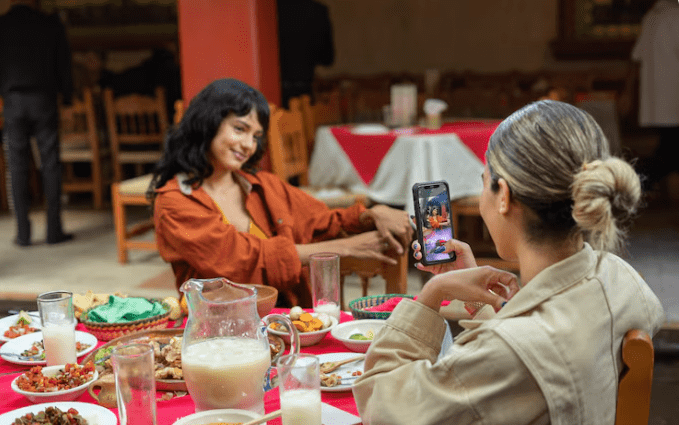
Then there are the dipping pots, those full tubs of melted cheese, consommé, or indiscernible gravy that made every sandwich into a prop for a short film. This one seems to have had nothing to do with food at all. It was about the slow-motion drip designed for a phone screen, the splash, and the pull. Something has gone a little wrong when lunch begins to be served to people who aren’t seated at the table.
Good acoustics are important, so the listening bar phenomenon deserves more consideration. However, the reverence begins to feel like a costume when every dimly lit area pouring natural wine suddenly advertises a vinyl-only basement selected by a famous acoustician. The room has been designed to be fun.
All of this is encouragingly replaced by more substance and less gimmick. Forbes interviewed chefs who anticipate a year of live fire, sauce-forward cooking, and hospitality that is more intimate than staged. Warmth, nostalgia, cozier, smaller spaces, and well-prepared familiar dishes. Comfort may be the easiest option because the industry is just worn out. However, it’s difficult to ignore the diners’ apparent relief. The desire to eat for enjoyment seems to be returning after years of eating for the camera, and it might end up being the most enduring trend of all.
