
A woman packing her basket with tomatoes, a bunch of flat-leaf parsley, a bottle of olive oil, and perhaps some dried lentils is an ordinary sight when you walk into a grocery store on a Tuesday afternoon in Athens or coastal Sicily. No powdered protein. There are no low-fat alternatives with ingredient lists longer than your arm. She is practically mindlessly adhering to the diet that nutritionists have been attempting to explain to the rest of the world for decades.
Because it doesn’t require you to track anything, the Mediterranean diet is fundamentally a beginner-friendly eating style. No calorie spreadsheets, no macros, and no prohibited foods that will send you into a tailspin by Wednesday. It does, however, request that you rearrange your plate to include more vegetables, legumes, fish, and better oil, and that you begin to consider eating as a routine rather than a daily exercise in self-control. That reframe alone is half the work for a novice.
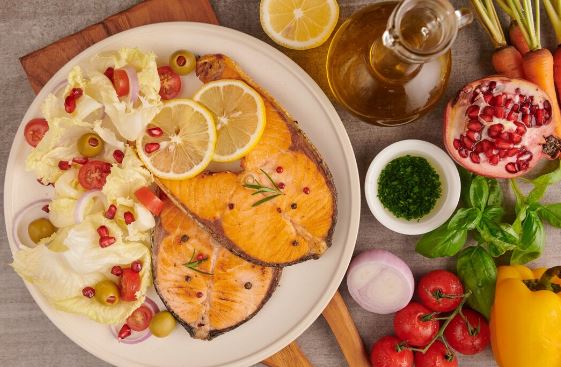
Greek yogurt topped with blackberries and walnuts for breakfast on Monday might be the first meal of a typical beginner week. This dish takes about three minutes to prepare and keeps you full until noon. A whole-wheat wrap loaded with hummus, tomatoes, cucumber slices, and greens could be lunch. Dinner is where the plan truly shines: a sheet-pan roasted salmon with potatoes and broccoli, drizzled with olive oil, is one of those meals that appears thoughtful but doesn’t actually require much work.
On day two, a grain bowl consisting of brown rice or farro combined with chopped vegetables and chickpeas, dressed simply with lemon and good olive oil, might be a good option. By day three, a white bean and vegetable soup with crunchy whole-grain bread appears, and leftovers start to take center stage.
Observing how people approach this plan for the first time gives the impression that the lack of restriction—rather than the food—is the biggest change. The majority of contemporary diets come with a list of prohibited foods. The Mediterranean method is structured around abundance, which is almost the opposite. Increase your intake of fish, vegetables, and legumes. Because there is less space on the plate for the items that were previously crowding it, the limiting occurs subtly in the background.
The pantry is more important than most people realize. The foundation is extra virgin olive oil, which typically takes the place of butter as the primary cooking fat rather than a finishing drizzle. Brown rice, canned chickpeas, dried lentils, whole-grain pasta, and walnuts kept in a freezer-safe container are the things that actually make cooking on weeknights doable. The diet becomes just another set of recipes to try without them. When you have them stocked, you can easily prepare a simple fish dinner or a grain bowl on a Tuesday.
It’s important to remember that neither a wellness company nor a physician with a book deal created this diet. Researchers examining mortality patterns in Mediterranean populations in the middle of the 20th century found that these communities had remarkably low rates of heart disease despite consuming comparatively large amounts of fat, such as fish, nuts, and olive oil.
The Cleveland Clinic, Harvard Health, and the majority of significant health organizations now advise this eating pattern for cardiovascular health, blood sugar regulation, and healthy aging as a result of decades of research that followed that observation. The evidence suggests that the combination is more important than any one ingredient, so it’s possible that no single food is to blame for those results.
The useful advice is fairly straightforward for novices. Let’s start with a week. Yogurt, overnight oats, or avocado toast with an egg are simple breakfast options. Eat the same grain bowl for lunch every day without feeling guilty; it’s efficiency, not failure. The more intriguing cooking should be saved for supper. Fish twice a week, a plant-based meal once or twice, and chicken to make up the difference. Once the pantry is organized and the expectation of perfection is quietly abandoned, the rest usually comes easily.
