

No amount of sleep can alleviate a certain kind of fatigue. Before the day has even begun, you awaken, gaze at the ceiling, and feel it resting on your chest. It’s the kind of exhaustion that results from years of being told to work harder, post more, make the most of your morning, turn your passion into money, and so on until you either succeed or fail. An increasing number of people appear to have quietly decided they’re done with it, most of them younger and mostly online.
There was no press tour or manifesto when the “soft life” movement first emerged. TikTok videos of leisurely Sunday mornings, journaling in a silk robe at eight in the morning, and candles burning next to a book that no one was reading quickly were how it got in. People began using the hashtag informally, almost defensively, as though giving it a name would make it more genuine. It became popular. difficult.
This is interesting in part because of its origins. The phrase “soft life” originated in Nigerian popular culture, where it was used to characterize a comfortable life that was earned via hardship, not laziness, but arrival. The meaning changed a little while traveling from Lagos to London to Los Angeles. It became less about making it and more about completely rejecting the race on Western TikTok. It’s still genuinely debatable whether that’s liberation or merely aestheticized avoidance.
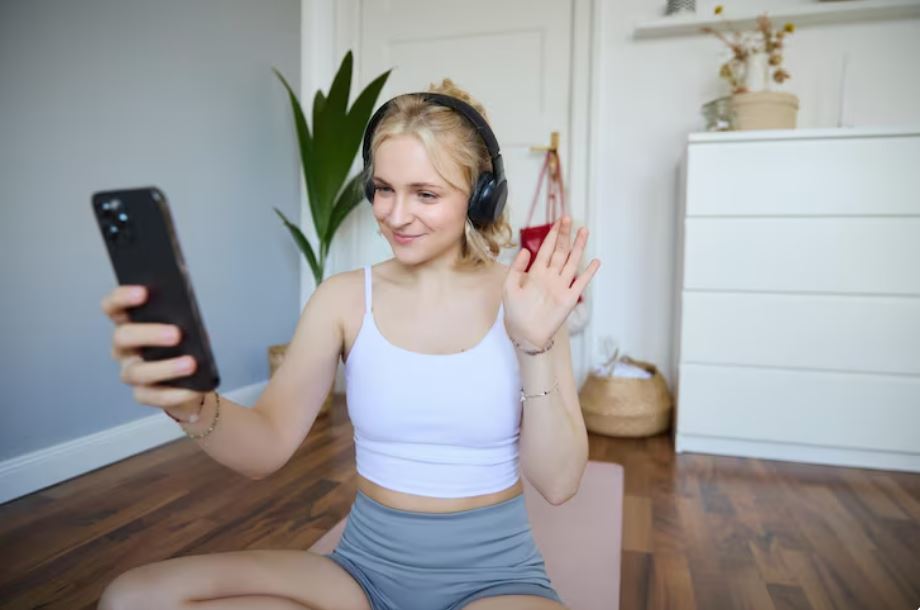
It is simple to criticize. Videos of women in spotless apartments lighting candles while listening to lo-fi music can be found by scrolling through the content. The captions for these videos include phrases like “protecting my peace” and “not available for chaos.” From the outside, it may appear to be a complex defense of disengaging. The soft life is something you earn, not something you declare, according to some parts of the internet. that you haven’t put in enough effort to romanticize relaxation.
However, that reading most likely overlooks something crucial. The majority of those who are drawn to this are not opposed to ambition. They are rejecting the particular brutality of a society that viewed burnout as a badge. Growing up, they witnessed people develop hustle as a personality and push themselves to the brink of anxiety disorders under the guise of discipline. Regardless of its aesthetic excesses, the soft life seems to at least pose the question, “What exactly are we working so hard for, and is it worth it?”
The trend’s ongoing evolution is more difficult to overlook. The more recent version, sometimes referred to on TikTok as the Group 7 aesthetic, is less refined and more forthright about the contradiction. The girl from Group 7 isn’t acting like she has it all together. She has a half-drunk matcha, five open browser tabs about astrology, and a Pilates class that she might or might not attend. She’s making fun of herself. That self-awareness seems to be a more sustainable form of the same impulse; it is an actual negotiation with imperfection rather than a performance of serenity.
Perhaps a generational correction is what’s actually taking place here. Millennials were promised that the hustle would pay off, but many discovered that it didn’t or didn’t do so in the ways that they had anticipated. Gen Z appears less inclined to make the same trade after witnessing it in real time. In that sense, living a soft life does not equate to being lazy. It’s more akin to a recalibration, messier and more intricate than the candlelit TikToks imply, but rooted in reality.
It has already altered how a generation discusses relaxation, ambition, and what a good day truly entails, regardless of whether it persists as a cultural force or fades into the next trend cycle. Its most enduring contribution may be that it allowed people to stop pretending to be exhausted, which is something to be proud of rather than the aesthetic.
FAQs
1. What is the soft life movement?
It’s a lifestyle trend rejecting hustle culture in favour of intentional, peaceful living.
2. Where did the “soft life” trend originate?
It began in Nigerian pop culture before spreading globally through TikTok.
3. Is the soft life just an excuse to be lazy?
Most followers aren’t avoiding ambition — they’re rejecting burnout as a personality trait.
4. What is the Group 7 aesthetic?
A self-aware, chaotic evolution of soft life that laughs at its own imperfections.
5. Why is this trend so popular right now?
Generational exhaustion from hustle culture made rest feel like a legitimate rebellion.
