

Every lunchtime in England, a certain kind of resigned acceptance descends upon school canteens. Pale chips sparkling in fluorescent lights, beige trays, and a depressing square of sponge cake at the end of the line. This was the image for decades: unremarkable, uncontested, and subtly harmful. It appears that this image is finally going to change.
The UK government announced what it describes as the largest revision to school food standards in over ten years on September 14, 2026. The days of deep-fried food are over. Desserts are being drastically reduced. Fresh vegetables, chickpeas, and lentils are going from being an afterthought to an expectation. This feels more like an admission than a policy change to anyone who has spent years witnessing kids get through the school day on processed sausages and chocolate pudding.
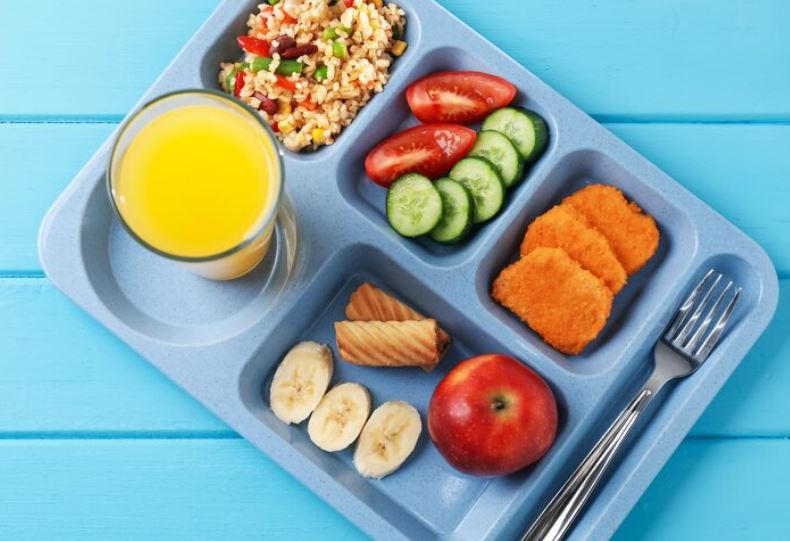
It is difficult to ignore the statistics that guided this choice. One in three kids are overweight or obese when they graduate from elementary school. The leading cause of hospitalization for children between the ages of five and nine is still tooth decay, which is closely associated with high-sugar diets. These statistics are not abstract. These are children who arrive home exhausted, find it difficult to focus by the afternoon, and are forming habits at a time when habits are more likely to endure. It’s difficult not to think that something ought to have happened sooner.
Cake and other sweet treats will only be allowed twice a week in secondary schools and once a week in primary schools under the new framework; even then, they have to be served with fruit. Ham and chicken nuggets are examples of processed meats that will only be served once a week. Every main meal must be accompanied by a portion of vegetables or salad, and menus must include pulses like lentils and chickpeas at least once a week. For the first time, breakfast clubs—which are becoming more and more popular in schools nationwide—will have to adhere to dietary guidelines.
Since his television campaign revealed how depressing school food had become in 2005, Jamie Oliver has been making some variation of this claim. His defining moment was standing in front of Turkey Twizzlers. After more than two decades, the government is finally heading in the direction he always suggested, which is both gratifying and a little awkward. This is how long it took. Sweet chili stir-fry, chicken curry, and lasagna are reportedly among the standards being tested as part of this reform; these are genuinely enticing options that imply someone has actually considered whether children will eat them.
September 2027 is when the reforms will go into effect; secondary schools will have an extra year to implement some of the more important changes. In order to hold the institution responsible for what ends up on the plate, schools will be required to designate a food governor and post their menus and food policies online. The Association of School and College Leaders applauded the changes, albeit with a cautious optimism that betrays prior promises.
The degree to which implementation will go smoothly is still unknown. Many schools now rely on big caterers instead of having functional kitchens that can prepare meals from scratch. It remains to be seen whether Compass, Brakes, or any of the major suppliers can make chickpeas taste like something a twelve-year-old would voluntarily eat. This is perhaps the most significant practical question surrounding this entire announcement. The food is not cooked by good intentions.
Free school meals are now available to three million children from Universal Credit-eligible families, marking a significant increase in access. That number is important because a nutrition policy that only benefits kids whose parents can afford it is more of a comfort than a true nutrition policy. At the very least, the fact that this expansion is taking place concurrently with the standards overhaul indicates that both sides of the issue are being considered.
Sarah Orves, the head teacher at Ilketshall Lawrence Primary in Suffolk, claims that her students requested the change on their own. Better food was what they desired. In a story full of statistics and policy jargon, it’s easy to miss that little detail, but it may be the most telling of all. When lunch seems like an afterthought, kids can tell. And they’ve had enough patience with it.
FAQs
1. When will the new school food standards come into effect?
The changes take effect from September 2027, with secondary schools given until 2028.
2. What foods are being banned or restricted under the new rules?
Deep-fried foods, processed meats, sugary desserts, and ice cream face strict new limits.
3. Who backed the government’s school meal reforms?
Jamie Oliver, Dame Emma Thompson, nutritionists, and public health experts all supported them.
4. How many children will now qualify for free school meals?
Three million children from Universal Credit families are newly eligible for free meals.
5. How will schools be held accountable for following the new standards?
Each school must publish its menu online and appoint a dedicated food governor.
