

When a waiter places a plate down, it’s not a sausage trying to trick anyone or a burger posing as beef. It’s a whole roasted celeriac, with its edges blackened, sitting in its own reduced juices as if it were the main attraction because it is, more and more.
Before the article: what this story covers
- Why British restaurants are dropping ultra-processed fake meat in favour of whole vegetables.
- How chefs are using fermentation, smoking, and roasting to make vegetables the star of the plate, not a meat substitute.
- What this shift means for flexitarian diners, restaurant costs, and the future of plant-based eating in the UK.
Fake meat seemed inevitable for a few years. Chains rushed to include a plant-based option before their rivals, and Beyond Burgers and Impossible patties appeared on menus from Shoreditch gastropubs to motorway service stations. As it happens, that moment might have peaked sooner than anyone anticipated. In the UK, McDonald’s recently removed the majority of its vegetarian menu, leaving only the McPlant. Vegan dishes with Wagamama trim. The final Veggie Pret shut down. The desire to eat less meat hasn’t diminished, but something is obviously fading.
More meat isn’t taking its place, at least at the better end of British dining. It’s vegetables, but they’re handled with the same seriousness as a dry-aged ribeye. Chefs in Bristol, Manchester, and other parts of London have been slow-roasting heritage carrots until they caramelize into something more akin to candy, smoking wild mushrooms, and fermenting beetroot. Diners appear to be noticing that it’s a true craft.
Health, or at least the appearance of it, is a part of this. For all their environmental selling points, meat substitutes are frequently just that—long ingredient lists, isolated proteins, and additives meant to mimic a chew that isn’t naturally there. Ultra-processed food has become a dinner-table phrase in a way it simply wasn’t five years ago. It’s difficult to ignore the irony. An increasing number of health-conscious diners believe that a product designed to feel less artificial than meat actually looks more artificial than the vegetables it was intended to replace.
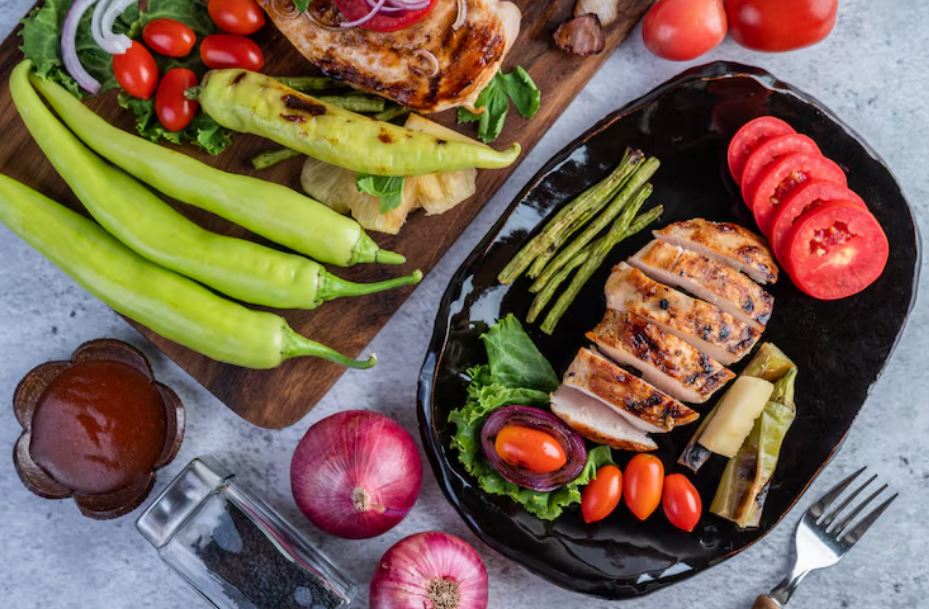
If you ask chefs, they discuss this with a sense of relief. Simply put, a vegetable doesn’t require a marketing department, according to a head chef in East London who has been stealthily eliminating pre-made vegan products from his menu over the past year. It requires skill. These techniques—fermentation, smoking, charring, and slow-braising—are not new, but they are being used with ingredients that were previously considered the uninteresting half of the dish. In particular, Celeriac appears to be enjoying a bit of a moment. A decade ago, no one was penning poems about the humble swede.
This also involves an economic story, and it’s not a minor one. Plant-based meat substitutes are costly to produce and, consequently, to serve on a menu. Restaurants are searching for ingredients that are adaptable, inexpensive to source locally, and don’t require a wholesale supplier with a logo because they are already under pressure from energy costs, rent, and a labor market that hasn’t gotten any easier. Compared to a case of frozen plant-based patties, a bag of carrots is much less expensive and has less margin pressure. It’s really difficult to determine if that’s the main motivator or just a convenient one. Depending on which kitchen you ask, it’s probably both.
What’s intriguing is the target audience for this new strategy. The late 2010s plant-based meat craze was primarily targeted at the relatively small but devoted vegan and vegetarian demographic.
However, flexitarians—those who eat meat most days but wouldn’t mind a vegetable dish that doesn’t feel like a consolation prize—make up the majority of patrons entering a mediocre British restaurant tonight. For some time now, data on grocery store purchases has demonstrated that repeat purchases of meat substitutes are surprisingly uncommon; people try them once, frequently out of curiosity, and may not return. Conversely, a truly delicious vegetable dish doesn’t have to change anyone. All it has to do is taste good.
Tesco’s shift from direct meat substitutes to dishes with vegetables as the focal point, which it refers to as “veg-led” dishes, indicates where the broader market is going as well. This is not limited to upscale dining. Even though the timeline isn’t exactly aligned, it’s trickling down from tasting menus into grocery store aisles and bar kitchens. Everyone else catches up, sometimes years later, after restaurants.
This is a helpful analogy to the broader evolution of Britain’s relationship with vegetables. The typical British vegetable was boiled into submission for decades, becoming a soggy afterthought alongside whatever protein served as the plate’s focal point. This is completely reversed by the current trend, which views vegetables as the meal’s technically challenging component where a chef truly demonstrates their skills. The rise and apparent retreat of fake meat is a roundabout way to get to this peculiar kind of role reversal.
Not everyone believes that this will last forever. Food trends change quickly, and there’s always a chance that whole-vegetable cooking will become its own kind of fad before being completely replaced by something else, like lab-grown meat or a more advanced plant-based patty that addresses the texture and additive issues that turned people off the first generation. It’s still unclear if what we’re witnessing is a true shift in British chefs’ perspectives on vegetables, or if it’s just a stopgap before the next generation of better-funded and tasting manufactured substitutes emerges.
Walking through London’s better dining rooms this year, it appears that no one is apologizing for the vegetables anymore. They don’t represent anything. That gives the impression that a gorgeously charred hispi cabbage doesn’t need to act like a steak in order to merit its spot on the plate. This change is undoubtedly causing investors in the plant-based meat industry some anxiety as they consider whether the category has overpromised. The majority of diners, on the other hand, appear content to be consuming food that tastes authentic.
