

Making your own peppercorn sauce from scratch gives you a certain kind of culinary arrogance. A proper, glossy, intensely savory sauce that coats the back of a spoon and adds something worthwhile to the kitchen—not the bottled variety with its artificial heat and hazy beige color. The fact that you don’t need cream to get there is less evident until you’ve actually tried it.
There’s a reason why double cream is used in the majority of peppercorn sauce recipes. Cream is understanding. It carries flavor well, thickens naturally, and doesn’t split easily. However, unless you planned, you never seem to have this ingredient in the refrigerator. Conversely, milk is nearly always available and performs equally well when used properly.
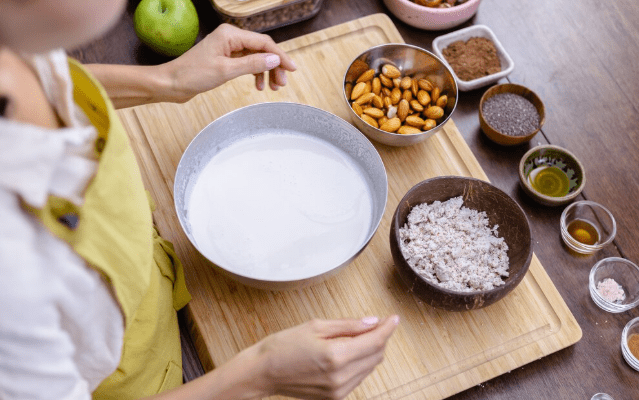
This is made possible by a roux, which is made by briefly cooking equal parts butter and plain flour in a pan before adding the liquid. One of the earliest ingredients in European cooking, it thickens any liquid you add gradually after the flour absorbs the fat. When you gradually add your milk while whisking constantly, you get a smooth, creamy base that shouldn’t be as satisfying as it is, considering how commonplace the ingredients are.
To begin, use a dry pan or a small amount of butter to toast your crushed peppercorns. Lesser recipes omit this step. When you crush whole black peppercorns instead of using ground pepper, you get real texture—little bursts of heat instead of a flat dustiness—and the oils within are awakened for a short while in a hot pan. At this point, the aroma is actually among the best things a kitchen can create.
The sauce will begin to thicken in a few minutes after your roux is ready and the milk has been gradually whisked in over medium heat. At this point, add your chicken or beef stock to give it a deeper color and a savory backbone that milk cannot match. It’s customary to add a splash of brandy, and if you have any, use it. The alcohol quickly burns off, leaving behind a subtle warmth that perfectly complements the peppercorns. The sauce tastes great even without brandy.
This could be overly complicated. While Worcestershire sauce, mustard powder, garlic, and onion can all be used in some recipes, the truth is that peppercorn sauce tastes best when used sparingly. Allow the peppercorns to fulfill their purpose. Taste as you go, season carefully at the end, and fight the impulse to add more ingredients.
The finished sauce should be pourable and smooth without being runny. A tiny splash of extra milk or stock can easily loosen it back if it thickens too much. It has a quality that feels more thoughtful than its ingredient list suggests, whether it is served with freshly baked chicken thighs or over a piece of well-rested steak. Perhaps this is the whole point of learning to cook with what you already have.
