

In the middle of the week, when the fridge is almost empty, no one wants to think too hard, and the thought of something complicated seems almost rude, most home cooks know exactly how they feel. That’s where spaghetti really comes in handy. Not the kind that is slow-cooked on Sundays or the fancy kind that is served in restaurants with fresh pasta and truffle shavings. You only need pasta, a few common pantry items, and ten minutes of hard work.
Buttered noodles done right are the easiest version that you should know. People don’t realize how important it is to boil a whole box of spaghetti in water that is well-salted. After that, drain the spaghetti and save a small cup of the starchy cooking water. Put a lot of unsalted butter and a cup of good Parmesan cheese right into the hot pasta. Add splashes of the water you saved and stir it all together until it turns glossy and sauce-like. It seems too simple to be satisfying, but the result is comforting in a way that’s hard to explain until you’ve done it.
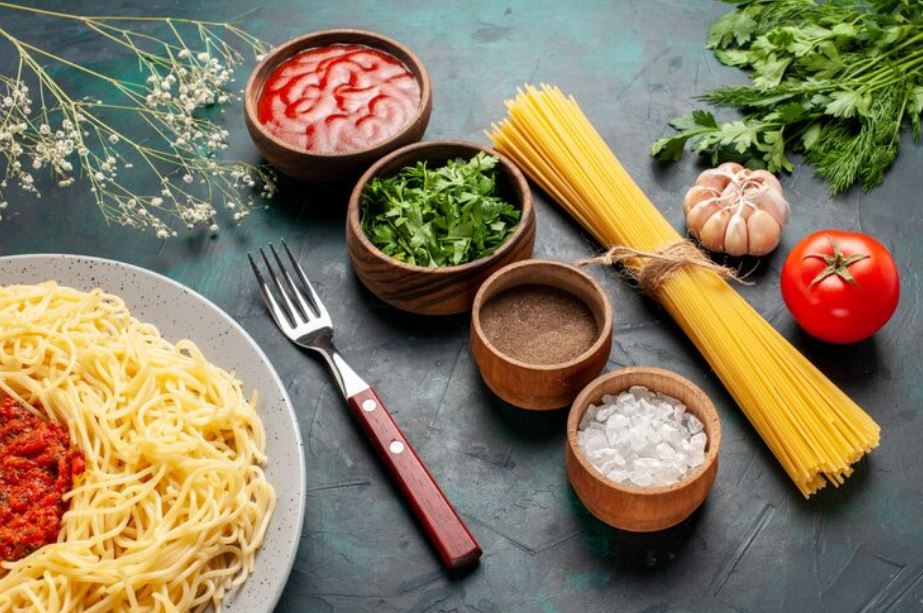
There is an easy tomato version with only five ingredients that is great for people who want something a little brighter. While the pasta is cooking, put olive oil, garlic that has been minced, diced tomatoes from a can, and salt in a bowl. There’s no need to cook the sauce, reduce it, or stand over a pan. Once the noodles are done, drain them and pour the raw tomato mixture right on top of them. Some of the work is done by the heat of the pasta, which softens the garlic and brings everything together. Freshness that a sauce from a jar just can’t match, and the whole process takes about fifteen minutes, plus the time it takes to find the can opener.
The meat version that only needs one pot is probably the most useful of the three, especially on nights when washing several pots seems like a real chore. In a big pot, brown the ground meat first, then add the marinara and water. Finally, add the dry spaghetti right into the pot with the liquid and let it all simmer together. After about twelve minutes, the pasta is done, the sauce has thickened, and only one pot needs to be cleaned. It’s possible that this is too simple to work so well. However.
These recipes have something in common besides being very easy: they all follow a serious cooking philosophy. It’s surprising how much depth garlic adds when it’s cooked briefly in good olive oil, even for twenty seconds before the heat is turned off. Some recipes call for adding a raw clove at the very end, which adds a sharpness that stays nice. When you grate fresh Parmesan from a block instead of the kind that comes in a plastic tub already shredded, it melts instead of clumping together, and the flavor is much cleaner.
It’s interesting to see how different people react to simple foods. People often have doubts about recipes with short lists of ingredients, as if the work that went into them must directly affect the quality that came out. As soon as you look at a bowl of aglio e olio, which is Italian spaghetti with garlic and oil, that line of thinking starts to fall apart. Some of the best food doesn’t take much work to make. Mostly, you just need to pay attention to the few things that are in the pot.
