

This specific kitchen moment has an almost universal quality. When you see double cream at the grocery store, you buy two or three cartons because the price is too good to pass up, use half of one for a recipe, and three days later you’re standing in front of the refrigerator wondering what to do with the remaining portion. Can it be frozen? Specifically, can double cream be frozen in its carton exactly as it is? This is the question that almost always comes up.
In a nutshell, the answer is yes. Before you simply put the entire carton in the freezer and forget about it for four months, there are a few things you should know about the longer answer.
The thick, rich type of double cream that is frequently used in British baking and cooking has a fat content of about 48%. It works so well in hot dishes, desserts, and sauces because of its high fat content, which also makes freezing a little challenging. The normally uniformly distributed fat molecules in cream start to group when it freezes. When compared to what came out of a fresh carton, the texture after thawing may seem grainy, slightly separated, or slightly off.
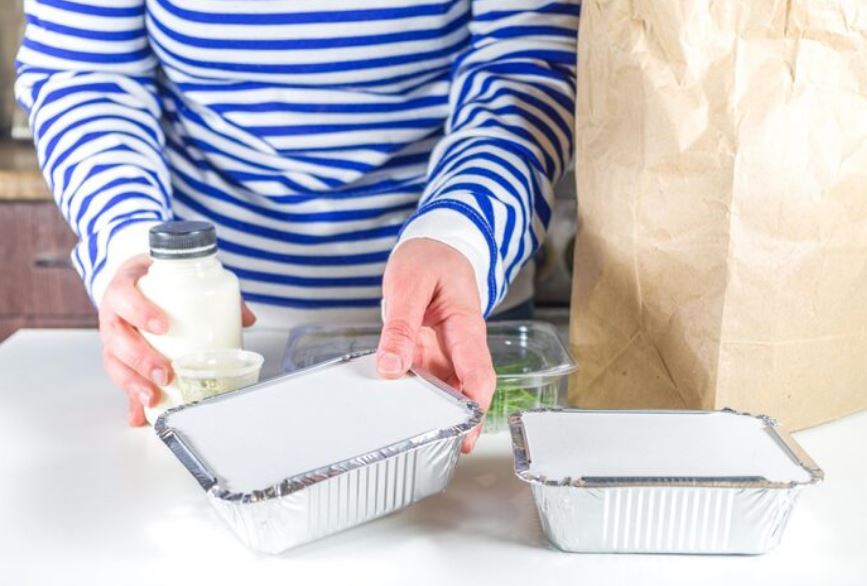
There is one practical step that is more important than most people realize if you intend to freeze it in its original carton. A full, sealed carton may split due to the expansion of cream during freezing. To allow the liquid to expand without creating a mess, pour out about an inch from the top before sealing the carton and placing it in a zip-top freezer bag. It may seem insignificant, and it is, but people end up with cream all over the freezer shelf when they ignore it.
Frozen double cream will keep for three to four months if stored correctly. Although quality tends to noticeably deteriorate after the halfway point, some sources claim it can last up to six months. In addition to providing containment, the freezer bag encircling the carton also aids in preventing freezer burn, which has a greater impact on flavor than most people realize.
However, a lot of home cooks discover that the carton method isn’t always the most useful strategy. For everyday cooking, freezing in ice cube trays—pouring the cream into individual portions, freezing solid, and then moving the cubes to a labeled freezer bag—usually works better. This implies that you don’t have to defrost an entire carton in order to extract precisely the quantity required for a recipe. Putting two frozen cream cubes straight into a simmering soup without even having to prepare ahead of time is incredibly satisfying.
Some people are disappointed by the texture question. In addition to not whipping like fresh cream, thawed double cream that has been frozen in liquid form may appear somewhat separated or grainy. Frozen-then-thawed cream will probably disappoint anyone who intends to pipe cream onto a dessert or fold it into something delicate. Thawed double cream works flawlessly in hot sauces, curries, soups, and baked dishes where texture is less noticeable because heat helps break the fat molecules apart again and a firm whisk can smooth out some of the graininess.
For a long time, websites such as Nigella Lawson’s have suggested freezing double cream in its whipped form if whipping is the desired outcome. In comparison to cream that was frozen in liquid form and then whipped, the result after thawing tends to hold better. Whipping it before freezing helps maintain some of that airy structure. Although it is a helpful solution, it is not flawless.
One thing to keep in mind is that double cream shouldn’t be put back in the freezer after it has thawed. Taste and texture are drastically altered by refreezing, and at that point, the cream is best suited to vanishing into a high-heat dish. In order to avoid the issue of refreezing, it is advisable to freeze in smaller portions from the beginning.
Freezing double cream is a habit worth developing for anyone who frequently prepares rich, creamy dishes, which are common in British kitchens. The cream you froze in January could be used to make a delicious pasta sauce in March if you plan and waste less.
