
In British grocery stores in the weeks before Christmas, the deli counter is full of what the labels proudly call “gammon joints.” These are pink, dense meatballs that are wrapped in nets and sitting raw in their own brine. A few shelves away, something very similar is sold already cut up, cold, and ready to eat. It’s just labeled “ham.”
Most shoppers don’t stop to think about what they need. But if you ask them to explain the real difference, they often pause for a long time without saying anything. What is your favorite food? The question seems like it should have an easy answer, but most people don’t get it.
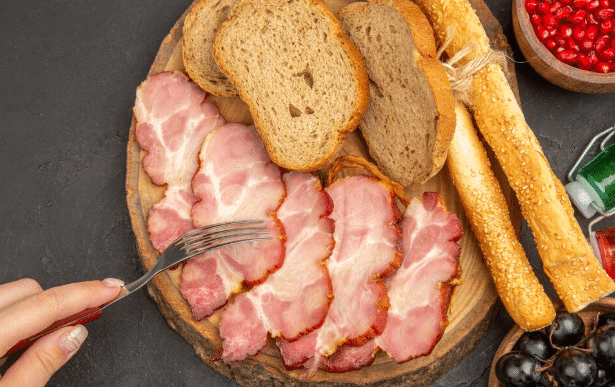
Gammon and ham both come from the pig’s back leg. If you salt, brine, or smoke meat, you can make gammon. It is then sold raw. Ham is meat that is already cooked or dry-cured and is sold ready to eat. That’s pretty much the whole story. The only difference is whether heat was used on the animal, the cut, or the overall process. When you cook gammon, it turns into ham. The change takes place in your kitchen, not the butcher’s business.
It’s possible that people are still confused because the two words have been mixing for decades. This is how people normally talk about them: they might order a “ham sandwich” when they really mean sliced gammon, or they might buy a “gammon joint” for Christmas when what ends up on the table is a ham by the time anyone eats it.
People in the UK and Ireland mostly use the word “gammon.” People who speak other varieties of English don’t usually tell the difference between “gammon” and “ham.” In American English, for example, almost everything is called “ham,” even if it’s not cooked yet. In everyday speech, the British difference is becoming less clear, but in a traditional butcher’s shop, it still means something.
cavac
Understanding the process from a raw pork leg to a finished product is helpful, as it helps you understand the difference in taste between a store-bought ham and a real one. When a pig is ready to be cured, it is cut down the middle and into sections. The back leg is the cut we know as gammon. After that, the curing starts.
The meat is either rubbed with salt, sugar, and spices on its own or put in a brine bath for several days or weeks. It’s not exciting what happens at this stage—salt pulls water out of the cells, which concentrates flavor and extends shelf life—but it’s what happens that makes a properly cured pork chop taste so different from a fresh chop. The meat will taste salty or mild depending on how long it stays in the cure.
It seems like commercial ham today has moved far away from what the curing process was meant to do in the beginning. There are different ways to make ham, such as dry-curing, wet-curing, or just cooking fresh pork. In reality, many supermarket hams are made quickly because nitrites and phosphates do the work that salt and time used to do.
Traditional producers who still work in Wiltshire or the countryside of Somerset tend to have a different view. They like cures that last longer and don’t use any artificial ingredients. The meat turns a darker color and loses some of its fluorescent pink color. Not as much like what most people think ham should look like. It tastes a lot better than before.
Any gammon joint that has been cured can be cooked right away, or it can be cold-smoked over wood dust for many hours before being cooked. Since cold smoking keeps the temperature low enough to keep the meat’s cells whole, it adds another layer of flavor without cooking it.
Gammon that is braised in cider turns into ham, and that is the only difference between the two types of pork. In light of how mysterious the question seems, it’s hard not to notice how dull that explanation sounds. Still, the whole group of British cured pork starts to make more sense once you know what it is.
When it comes to cooking a gammon joint, most home cooks either get it right or look back and wish they had read more carefully. Long, slow poaching means putting the joint in a big pot of water (cider works great) and letting it simmer for about 20 minutes per 500 grams. This way of cooking keeps the meat moist in a way that raw meat dry-roasting just can’t.
After being poached and allowed to rest, the skin is peeled off, the fat is scored in a diamond shape, and a glaze is added. The tried-and-true classic is honey and mustard. There is a strong December smell in the kitchen when you burn a treacle with cloves. After that, the piece is put back in a hot oven for about 20 minutes, just long enough for the glaze to set and caramelize. After that, whatever you had before, gammon joint or not, is now ham.
It’s still not clear, at least in everyday kitchens, whether the difference between the two words will last through another generation of casual use. Labels on grocery store shelves don’t always help. For example, “gammon steaks” and “smoked ham slices” are sold next to each other in the chilled section, and if you haven’t been paying close attention, they look a lot alike.
People who have slow-cooked a bone-in Christmas joint, let it cool, and then cut the first thick slice from something that was put into the pot raw know the difference between gammon and ham. That’s the whole point.
FAQs
Q1: What is the main difference between gammon and ham?
Gammon is sold raw; ham is already cooked or cured and ready to eat.
Q2: Do gammon and ham come from the same part of the pig?
Yes, both cuts come from the hind leg of a pig.
Q3: At what point does gammon become ham?
Gammon becomes ham the moment it has been fully cooked.
Q4: Why does supermarket ham look so bright pink compared to traditional ham?
Commercial producers use nitrites to speed curing and intensify the pink color.
Q5: What is the most popular way to glaze a gammon joint?
Honey and mustard remain the classic, most widely used glaze.
