

The way Italian grandmothers prepare pasta has a subtle stubbornness to it. Do not use measuring cups. No timers. Notably, there was no carton of heavy cream near the stove. Nevertheless, the sauce turns out smooth for some reason. Glossy. Enough thickness to cover every strand without allowing it to fall off. It brings up a question that most home cooks have probably never thought to ask: What exactly is the sauce if it isn’t cream?
The short answer is starchy water, fat, and friction. The longer answer is more interesting.
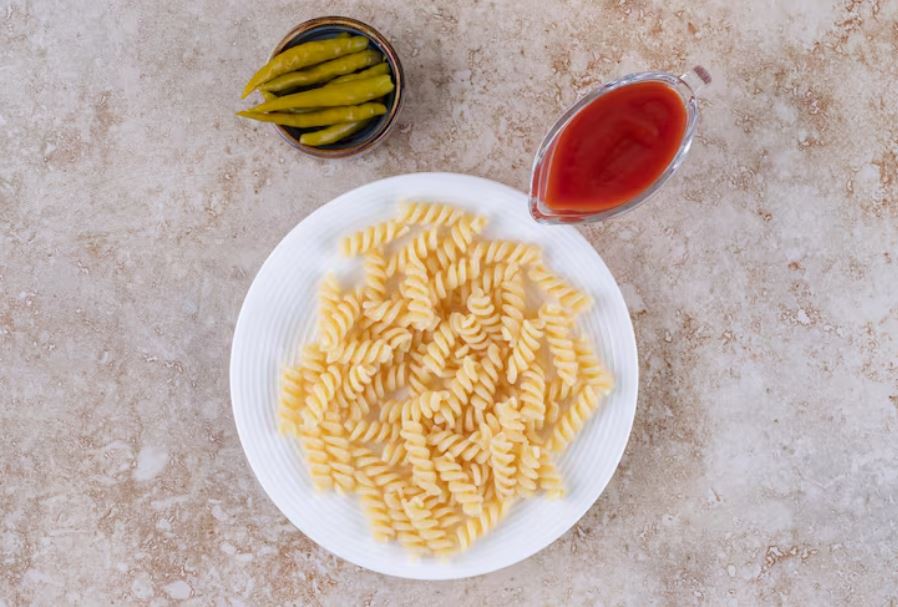
Pasta releases starch into the surrounding water as it cooks. In actuality, one of the most beneficial components in the pot is that murky liquid that most people just pour down the drain. It binds fat and water together as a natural emulsifier, creating a sauce that clings, coats, and behaves in ways that cream, to be honest, never quite manages. This idea is the foundation of cacio e pepe, perhaps Rome’s most popular pasta dish. Pasta, water, cheese, and black pepper. Nothing more. It coats like velvet, though.
Cream may have become a Western shortcut just because the method was simpler to describe. Stir in the cream and finish. The emulsion method requires a little more care; the cheese must be folded in at the right time, the water must be added gradually, and the heat must be just right. But once you understand, it’s difficult to go back. Compared to anything made with cream, the sauces are much more balanced, lighter, and cleaner.
Another instance where this is important is in tomato pasta. Adding a splash of cream near the end to lessen the acidity is a common instinct, particularly in home kitchens. However, that actually dulls the sauce, adding a heaviness that sits differently in the stomach and muffling the brightness of the tomatoes. It is preferable to add a ladleful of cooking water and finely grated Parmesan right before serving. The starch thickens everything, the cheese melts into the tomatoes, and the sauce has depth and body while still feeling clean.
Blended vegetables have quietly emerged as one of the more appealing options for people who would rather avoid dairy completely. Smoothly blending roasted zucchini, butternut squash, or even cauliflower with olive oil and a small amount of garlic results in a truly rich and thick sauce that doesn’t contain any cheese or cream. Although it’s still unclear if this strategy will ever completely win over devoted cheese enthusiasts, it works well for weeknight cooking.
The same no-cream reasoning applies to lemon garlic pasta, or pasta al limone in Italian. In just a few minutes, combine butter, olive oil, freshly grated Parmesan, lemon zest, and pasta water. The outcome is something bright and airy but surprisingly fulfilling. It doesn’t feel like a dish lacking any ingredients. It seems like a dish that didn’t require those ingredients at all.
Observing all of this gives me the impression that cream entered the pasta-making process because people lost faith in the easier techniques. It takes some faith to use the starchy water method. Before the sauce actually comes together, you have to have faith in it. That uncertainty is eliminated by cream. However, it also eliminates a significant portion of the taste.
The greater irony is that the majority of rich pasta dishes, such as carbonara, cacio e pepe, and aglio e olio, don’t use any cream at all. They never did. The cream versions are nearly always modifications that have been softened for kitchens that were not raised with the original technique. It’s not hard to return to the real thing. All you need is some patience with the pan and a cup of saved pasta water.
