

On a Tuesday afternoon, the selection of mince alone can feel strangely overwhelming when you stroll down the meat aisle at most Tesco stores. Trays of regular beef mince and the Finest variety are arranged next to each other, separated by a few pence per hundred grams and a different color of packaging. Most consumers don’t give it much thought and just buy whatever fits their weekly budget. However, it could be argued that the difference between these two products is both smaller than the marketing would have you believe and larger than the shelf presentation lets on.
The cattle itself is where the most noticeable distinction begins. Tesco Finest Aberdeen Angus Steak Mince is made exclusively from Aberdeen Angus cattle, a breed known for its deeper flavor and richer marbling. Conversely, standard Tesco mince doesn’t have a specific breed and comes from a larger pool of Irish and British beef cattle. Depending on who you ask and how you’re cooking it, it may or may not actually translate into a significantly different experience on the plate.
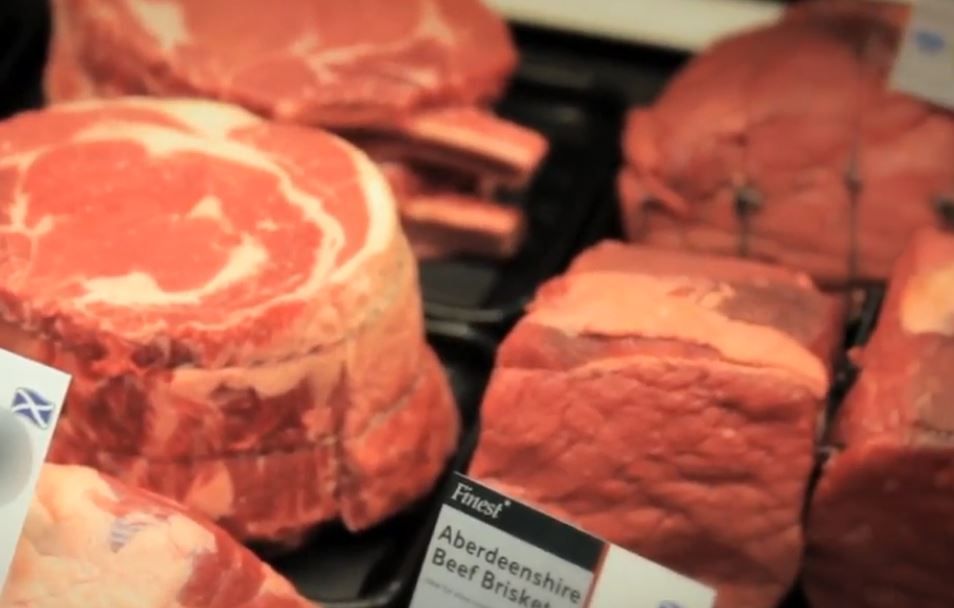
Even though it is sometimes overlooked, maturation is important. Finest beef steaks and joints are matured for 28 days, whereas the standard Tesco brand is matured for 21 days, Tesco confirmed back in 2012 as part of a major redesign of its meat offer. Longer aging concentrates flavor, lowers moisture content, and gives the meat a richer, more nuanced flavor. Since the grinding process itself significantly alters the texture, it is more difficult to isolate that additional week of maturation as a factor for mince in particular. However, serious home cooks will contend that it still affects the finished product, especially when it comes to slow-cooked dishes like cottage pie or ragù, where each layer of flavor matters.
Then there is the question of fat content, which is where things become intriguing and sometimes perplexing. A 20% fat standard mince will almost certainly yield a juicier, richer result than a lean Finest product because both ranges offer different fat percentages. Perhaps more than breed or maturation period, fat is the true source of flavor in ground beef. It’s possible that a lot of customers purchasing Finest mince are unintentionally choosing a leaner product that doesn’t cook as well as a less expensive, fattier standard option. This isn’t always immediately apparent from the packaging.
Shrinkage is another issue. Finest products, especially chicken, seem to shrink more dramatically during cooking than their standard counterparts. This has been a recurrent complaint in online discussions surrounding Tesco’s premium ranges for years. The underlying worry isn’t irrational, but the evidence for mince in particular is anecdotal. Regardless of their tier, some products with higher moisture contents will lose more liquid when heated. Instead of steaming, good mince should brown.
Tesco’s 2012 reforms succeeded in standardizing pack sizes to 250g, 500g, and 750g, which at least improves the honesty of price comparisons between ranges. Before that, there were significant differences in portion sizes that made direct comparisons challenging. It’s the kind of subtle, useful enhancement that doesn’t make news but shows a fundamental regard for the customer’s intelligence.
After witnessing this discussion unfold over many years of supermarket culture, the honest conclusion is that Tesco Finest mince is a genuinely superior product in terms of maturity and sourcing credentials. The Aberdeen Angus origin is important for flavor; the additional week of ageing has significant but subtle effects, and Tesco’s quality controls, which include specialized QA managers at depots, give it a more stringent supply chain than the standard range. However, it is not better in terms of transformation. You will probably notice a difference if you cook a Bolognese over low heat for three hours. For a quick, heavily seasoned midweek spicy dish? Most likely not.
Any supermarket’s premium tier seems to serve as a psychological anchor in part because it makes the standard range seem reasonable in contrast and attracts customers who want to feel like they’ve made a thoughtful decision. Finest mince is still a good product despite this. It makes it what it is: a respectable step up that, when used appropriately, is worth the premium but isn’t always the everyday default that its self-assured name might imply.
