

A can of sardines has a feature that is nearly impossible to ignore. Most people ignore it because it costs less than two dollars and is located on a grocery shelf between the tuna and the crackers. However, if you take nutrition seriously, whether for a diet, a fitness objective, or just out of curiosity, it will eventually come up in the conversation.
The nutrition label helps to explain why Beach Cliff Sardines in Water have a steady, quiet following over the years. Depending on the source, a single drained can, weighing about 70 grams, has 120 to 130 calories, 12 to 13 grams of protein, 8 to 9 grams of fat, and no carbohydrates. No added sugar. Not a fiber. Not a starch. Only salt, water, and fish. That profile is genuinely difficult to dispute for anyone managing blood sugar or counting macros.
At first glance, the fat content tends to raise eyebrows, so it’s worth paying attention. Fat makes up about 63% of the calories in a drained can. However, only 2 to 2.5 grams of that is saturated fat; the rest is classified as unsaturated fat, which is linked to fish-based diets and has been positively discussed by nutritionists for many years. Some consumers might decide to put the can back on the shelf after seeing “58 to 63 percent fat calories”. That would be an error due to a lack of context.
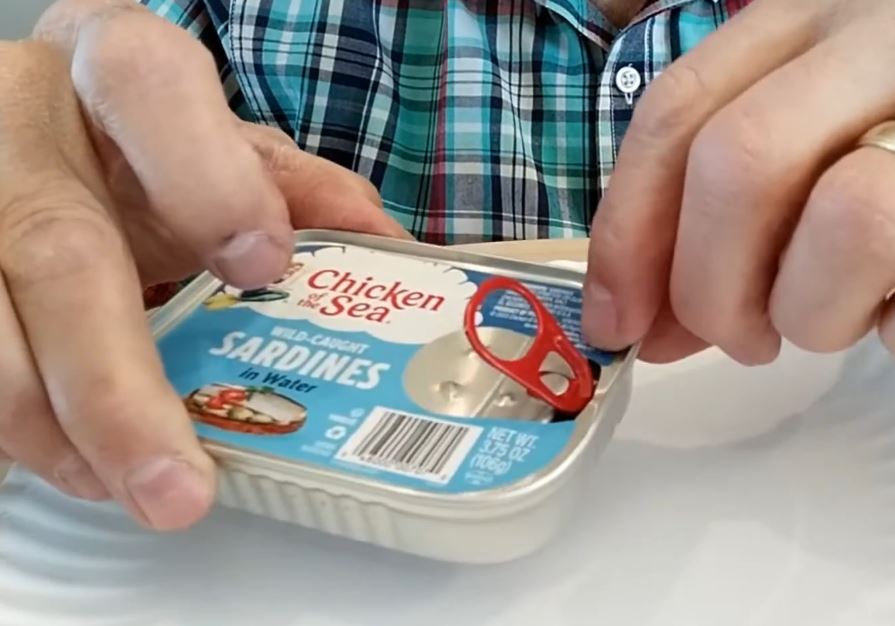
One figure that doesn’t always receive enough attention is calcium. Depending on the label, one can contains between 160 and 170 milligrams of calcium, or 12 to 17 percent of the recommended daily intake. This is mostly due to the fish’s soft, edible bones that are left over after processing. The majority of people who eat sardines in this manner are unaware that they contain bones, but the calcium they offer is genuine. That’s important information for anyone who doesn’t eat a lot of dairy.
There is a practical truth to Beach Cliff’s marketing of their water-packed sardines as having a “clean, natural taste” in contrast to their oil-packed counterparts. The lack of olive or soybean oil preserves the sardine’s natural fat profile while lowering the calorie count and eliminating any added fat. A typical can’s ingredients list is simple: salt, water, and sprats. Three things. That simplicity reads almost like a selling point on its own in a food setting where ingredient panels occasionally run to multiple lines.
Depending on the serving size, the amount of cholesterol in a can is between 100 and 115 milligrams, or roughly 33 to 38 percent of a daily value. Sometimes, that number makes people hesitate. Although the discussion surrounding dietary cholesterol has changed significantly over the past ten years, it’s still unclear whether it has the same impact on cardiovascular outcomes as researchers once thought. Nevertheless, it’s important for anyone closely monitoring their cholesterol as advised by their doctor.
Watch out for sodium. A typical can of Beach Cliff sardines in water contains between 290 and 300 mg of sodium, or 12 to 13 percent of a daily allowance. By processed food standards, that’s not excessive, but it’s enough that people on sodium-restricted diets or managing hypertension might favor the brand’s no-salt-added version, which is available especially for that purpose.
It seems that canned sardines have long been undervalued in the general discourse about practical, reasonably priced protein sources. Despite frequently having more additives and costing significantly more per gram of protein, protein bars, powders, and packaged shakes tend to dominate that market. For less than two dollars, a can of Beach Cliff sardines in water contains about 12 grams of protein and doesn’t require refrigeration before opening. That combination is difficult to beat for travelers, students, or anyone watching their grocery budget without sacrificing nutrition.
The company competes in a crowded market with companies like King Oscar, Bumble Bee, and Chicken of the Sea. Beach Cliff appears to compete based on approachability and price consistency, which makes sardines seem more affordable than high-end. Over time, whether or not that framing pushes more cans off the shelves will likely depend more on consumers’ willingness to give the modest, reasonably priced sardine a fair read than on marketing.
