

Most diners never consider this particular moment. You gesture for additional napkins from your server. A lemon wedge after five minutes. Next, additional dressing. Then another spoon, almost apologetically. Every request takes a few seconds. They all seem innocuous. One-timing is what servers call it, and it turns out that they detest it more than practically anything else you can do at a table.
In the summer of 2025, waitstaff started speaking candidly about how these piecemeal requests cause a shift, which led to the habit’s moment of public reckoning. Early in her career, a server at a chain restaurant in Utah acknowledged that the frequent back-and-forth caused her stress and slowed things down when she could least afford it. Another, who works on an Asian-fusion floor in Florida, put it more bluntly: she hated people during a peak dinner rush. Shockingly, someone in the hospitality industry would say that aloud, and the fact that she said it at all shows how little tolerance there is in this field.
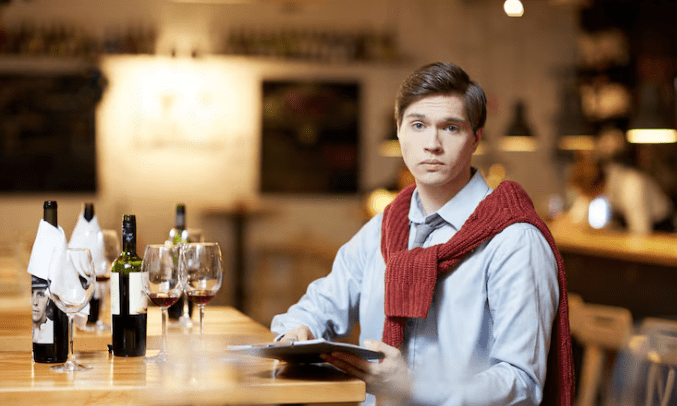
Diners seldom notice that timing is important. An additional trip to the kitchen is insignificant on a slow Tuesday afternoon. One needless lap across the dining room can throw a server’s entire rhythm off course on a busy Saturday night when twelve tables are vying for customers’ attention, and food is spoiling under the heat lamps. It’s a logistical issue disguised as a civility issue. It also compounds.
The context in which this habit now exists is more difficult to ignore. Workers at restaurants have been quitting, sometimes abruptly, mid-shift, or by throwing their aprons in the trash. Early in 2026, stories gathered from former employees read more like breaking points than grievances: a manager ordering an employee to retrieve his phone from a toilet, a twenty-year veteran printing blank receipt paper to write her resignation on, and a customer handing over a plate of bagged dog waste and calling it trash. People don’t leave the industry because of one-timing alone. However, it’s the kind of low-grade, persistent friction that prevents the larger humiliations from being absorbed.
Speaking with those who have held these positions gives the impression that servers and diners are subtly assigning blame. Customers forget to ask for everything they need, and servers don’t anticipate it, according to one Texas server. Most likely, she is correct. A competent server brings extra napkins before anyone asks and reads a table full of young children. Before flagging someone down, a good table polls itself for thirty seconds. When everyone contributes, the issue largely goes away.
It remains to be seen if diners will truly change. The appetizer course has a tendency to read, nod at, and forget etiquette advice. Nevertheless, there is no cost associated with this fix. Consider the future. Make one inquiry. Before you raise your hand, check with your table. It’s difficult to ignore the fact that even the tiniest amenities in a restaurant prevent the staff from leaving, and more of them are doing so these days than the business can afford.
