

Chimichurri lost some of its geographical identity and evolved into something more akin to a universal sauce somewhere between Buenos Aires parrillas and suburban garden barbecues. It’s not a critique. Spreading this sauce is worthwhile. It enhances almost anything it touches, from a bowl of roasted vegetables that needed something to bring them together to a resting flank steak. It is garlicky, sharp with red wine vinegar, slightly herbal, and just warm enough from the chilli flakes to register without overpowering. It turns out that the debate over whether to use dried or fresh herbs is more contentious than it might seem.
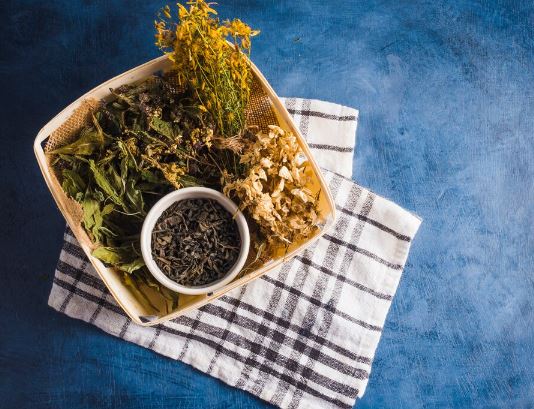
Fresh flat-leaf parsley serves as the foundation for the traditional version, which is still prepared all over Argentina using a mortar and pestle or very finely chopped herbs. Fresh or dried oregano is frequently added as well. Fresh herbs add moisture and vibrancy to the sauce, which aids in emulsification and gives the final product a brightness that lasts for a day. The majority of seasoned chefs will tell you that this version is superior. Most likely, they are correct. However, at ten o’clock on a Tuesday, when the steaks are already resting, fresh herbs run out, bruise in the back of the refrigerator, or just aren’t available. There are always dried herbs.
Rehydration is a step that most quick recipes omit, leaving you wondering why the dried herb version tastes grainy. Before adding anything else, the dried parsley and oregano (about a third of a cup of parsley and a tablespoon of oregano) must sit in a small amount of boiling water (about three tablespoons) for five minutes. The texture changes from powdery and abrasive to something that actually blends into the vinegar and olive oil instead of floating on their surface as the herbs absorb the water and slightly plump. It’s a minor issue. It has a big impact. After rehydrating, whisk in the remaining ingredients: 3/4 cup olive oil, 1/2 cup red wine vinegar, 4 finely chopped garlic cloves, red pepper flakes, salt, and pepper. Let the sauce sit for 15 to 20 minutes before serving.
When compared to a freshly made version, there’s a sense that the dried herb chimichurri is more subdued. The garlic may be a little more noticeable without the fresh green to counterbalance it, and the herbal note is present but more subdued. In some situations, this might even be better—as a dry rub base, combined with aioli, or used as a marinade in situations where the sauce will be cooked rather than served raw. Years ago, Epicurious published a dry chimichurri spice blend that can be prepared in less than five minutes and stores for a month. It contains dried oregano, basil, parsley, thyme, smoked paprika, garlic powder, and coarse salt. The reasoning is sound: the same flavor profile modified for a cooking lifestyle centered around the pantry.
The more sincere comments on Reddit acknowledge that dried herbs work, especially when handled properly, and that the rehydration step is necessary rather than optional. However, the discussions on this topic generally lead to the same conclusion: fresh is better, always use fresh, why would you not use fresh? Someone in the thread mentioned that they use both: dried oregano and red chilli flakes are added alongside the base of fresh parsley and cilantro. That hybrid approach, which captures the texture of fresh herbs without sacrificing the depth that dried oregano specifically contributes, is probably the closest to the ideal. Many cooks are unaware of the ways in which dried oregano differs from fresh; it is more concentrated, more resinous, and more resilient in sauces that contain a lot of oil.
The real thing cannot be replaced by chimichurri made with dried herbs. It’s an alternative, more useful version that rewards a little preparation. That care seems worthwhile, considering how quickly a jar of it vanishes once it’s on the table.
