

Any mid-sized gym on a Tuesday night will have something different going on. In the 2010s, boot camp classes used to fill studios to the brim. These days, it’s not as busy. But the squat racks are full. A woman in her early twenties is doing Romanian deadlifts with the calm focus that used to only be seen in powerlifters with a lot of experience. Someone is filming a set next to her, not for vanity’s sake, but because this is how fitness is shared these days: it’s recorded and shared before the sweat has dried.
The fitness business has been taken over by Gen Z, and the numbers show it. The number of people in this age group who belong to gyms has almost doubled since 2020. About 30% of them regularly work out in fitness facilities, which is a much higher percentage than the average adult. That is a big change in culture, and it didn’t happen by chance. It took place on TikTok, in Pilates studios, and at Hyrox events, where this year alone more than a million people are expected to compete from around the world.
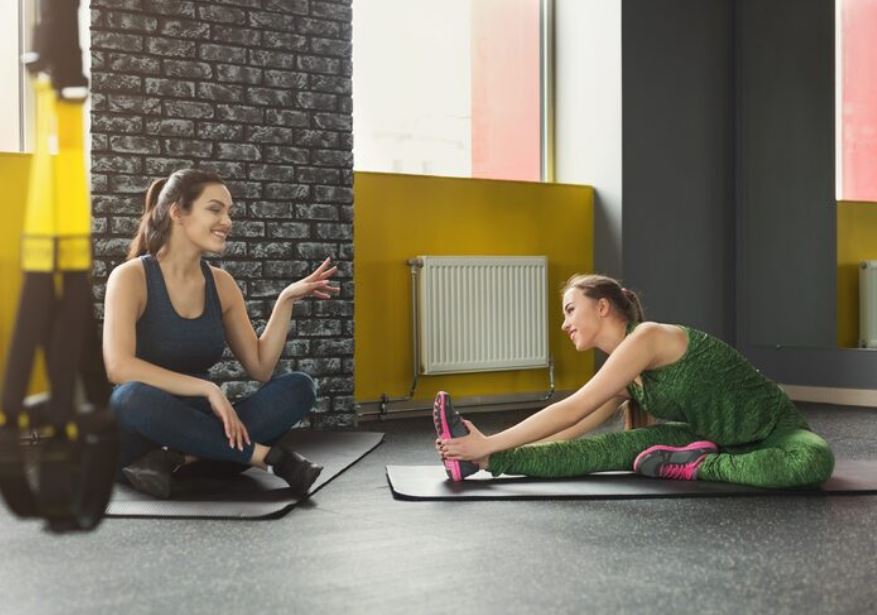
The reason behind Gen Z’s approach is what really sets it apart. People from older generations mostly saw exercise as a form of punishment or performance. They saw it as a way to punish their bodies after a bad week or show off their fitness as a social signal. Gen Z is more likely to be motivated in different ways. Almost half of those who work out say they do it to feel better, and 44% say it helps them deal with stress. The mental health aspect is not a side issue; it is very important. Since this generation grew up during a pandemic and deals with social media anxiety every day, it makes sense that their relationship with movement would be more therapeutic.
From tenth place in 2021 to first place today, strength training has become their go-to group workout. There’s a practical side to it—you can see results and progress, and the culture around it has changed a lot from the intimidating gym-bro vibe of the past. Pilates is right behind it. In the past few years, Google searches for Pilates have gone up by over 124%, and studios have opened up where spin classes used to be, but no one goes there anymore. There’s a low-impact movement that makes you think twice about the idea that exercise has to be hard to be effective.
HIIT is still useful, especially for people with busy lives, and hybrid training, which combines strength, cardio, and flexibility into one session, is becoming more popular because it doesn’t stick to just one goal. Then there’s Hyrox, a type of competition that combines running with functional exercises and has turned into a social event that looks like a race. Even when Gen Z does something by themselves, it’s hard not to notice that the formats they like all have a communal feel to them. They’re made to be recorded, talked about, and repeated.
Still, there is tension beneath it all, and it’s important to face it. As much as physiologists have shaped these trends, social media has done so even more so. It’s hard to tell the difference between working out for mental health and working out for looks. Almost half of Gen Z say that one of the main reasons they work out is to look better, and 40% say that social media makes them worry about how they look. The gym can be both a safe place and a stress cooker in the same afternoon.
This new generation is, on the whole, more thoughtful about movement than the ones that came before it. They care less about punishment and more about longevity, and they are much more likely to quit a workout if it isn’t helping them. It remains to be seen if that leads to the healthiest generation ever, as some people in the industry have said. But my gut tells me it’s right. People who work out with the goal of feeling good usually end up feeling good. That looks like a good place to begin.
